

New Website Maps Culinary Delights in Appalachia
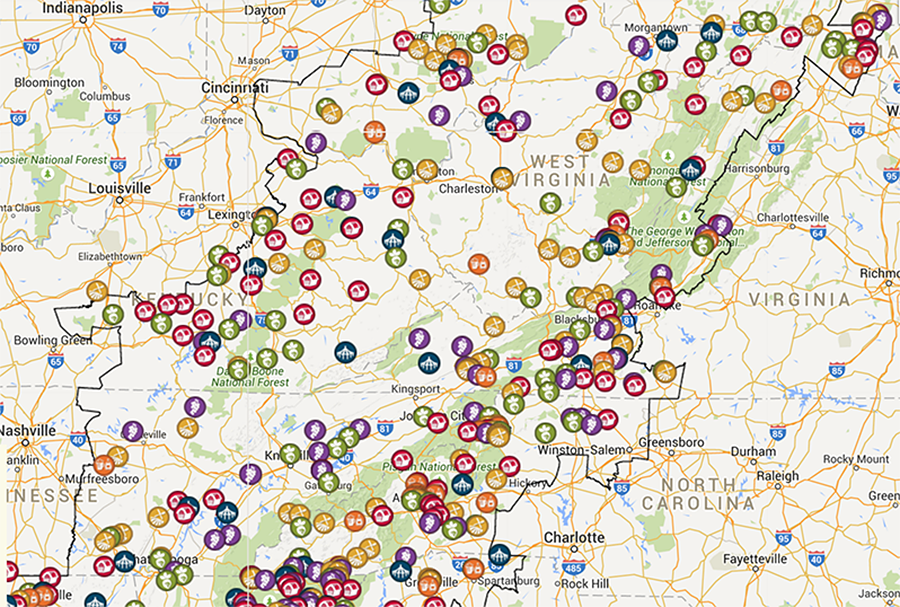
The interactive map on Bon Appetit Appalachia!’s website allows users to search by keyword, category and state. The site also lists resources to learn more about sustainable agriculture in Appalachia.
By Julia Lindsay
The Appalachian Regional Commission aims to nourish the nation’s growing grassroots movement with an initiative to market food culture. Last year, the ARC published a map in Food Traveler magazine, titled Bon Appétit Appalachia!, to allow tourists to eat their way through the Appalachian region’s 13 states, spotlighting culinary experiences from farmers markets to breweries. Focusing on sustainability as well as economic development, the ARC picked 283 out of 900 nominees based on the establishments’ dedication to serving local, seasonal food and beverages.
As interest in unique cuisine grows, the ARC hopes to encourage exposure to Appalachian food, which boasts a rich heritage in what a Wall Street Journal article describes as “one of the most agriculturally abundant areas in the U.S.”
“[Our regional food] is not commercially available,” says Susan Owen, a farm owner in Boone, N.C. “You can’t go to the grocery store and buy a ramp.”
However, it’s not all turnip greens and biscuits. One of the featured restaurants, IvyWild of Sewanee, Tenn., serves a cornbread flan — a hybrid of Appalachian and European comfort food traditions. The restaurant’s popularity is just one example of the region’s local food culture and developing agritourism market, which the ARC hopes to showcase through the Bon Appétit project.
In a promotional video, Bob Jenkins, associate publisher of American Heritage Magazine, stresses the map’s role in highlighting the region’s progressive trends. “We love the fact that … with this map guide in their hand [people will] see that this is not your grandmother’s Appalachia.” Peggy White of the Pulaski County, Va. Chamber of Commerce credits the program for bringing national attention to a Virginia farmers market, The Marketplace, which subsequently was awarded a $57,000 U.S. Department of Agriculture Farmer’s Market Promotion grant.
Bon Appétit Appalachia!’s launch has spawned an official Kentucky culinary tourism website, which can be found at KentuckyCuisine.com. Check out Bon Appétit Appalachia! at visitappalachia.com
Related Articles
Latest News
More Stories

Signs of Life
In the Nantahala National Forest, a team of biologists spotted Indiana bats, an endangered species that hasn’t been seen in North Carolina for the last 11 years.

‘First Line of Defense’
During Hurricane Helene and its aftermath, rural fire departments and other first responder hubs played critical roles in keeping their communities safe, even without power and cut off from outside support for days or weeks after the storm. Two years later, plenty of work remains to ensure these hubs have the resources they need to operate day to day and be ready when emergencies or natural disasters strike.

The Rocky Road — and Bridge — to Recovery
Hurricane Helene is estimated to have damaged nearly 7,000 private roads and bridges in Western North Carolina. Two years later, many restoration projects are complete, but the journey hasn’t been easy — and isn’t over for others.
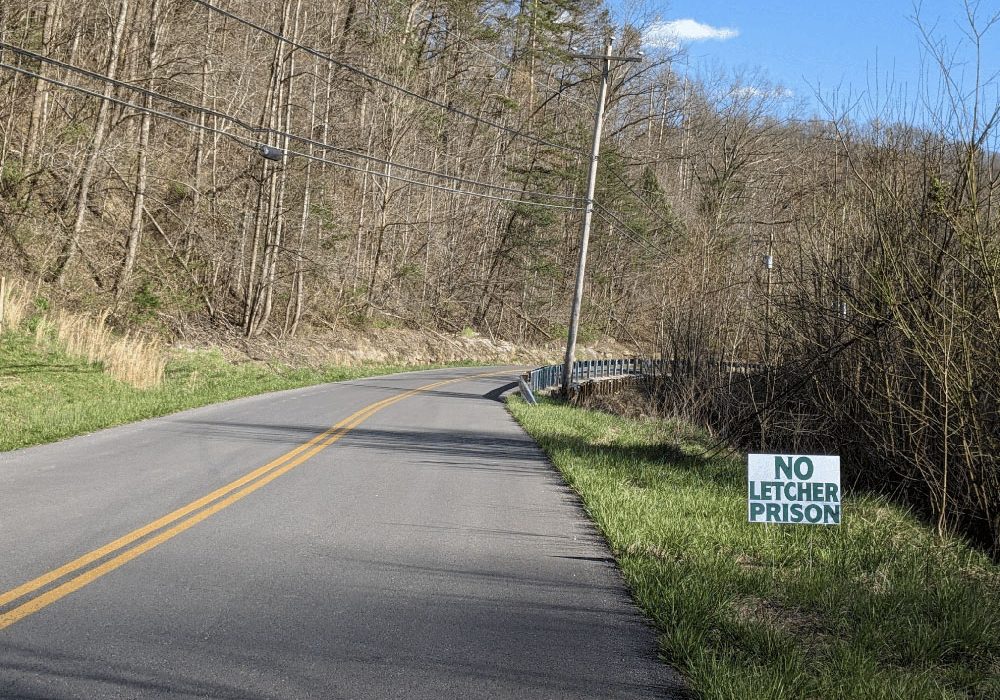
After 20 Years, Letcher County Prison Proposal Is Still Alive, Though Obstacles Remain
A $605 million proposal for a federal prison on a former strip mine site in Letcher County, Kentucky, championed by U.S. Rep. Hal Rogers, refuses to die, despite local opposition, a lack of support from the executive branch and numerous other obstacles.
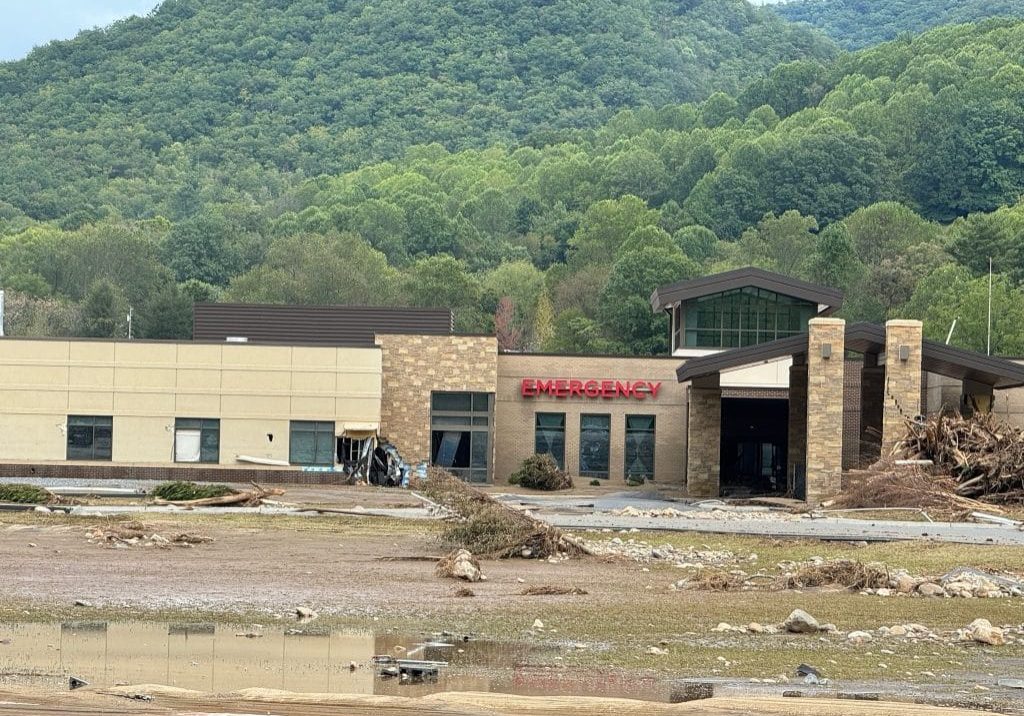
The Washout and Rebuild
For nearly two years, residents of Unicoi County, Tennessee, have had to make do without a hospital after Hurricane Helene destroyed the rural hospital. Ballad Health, which owns the hospital, broke ground on a new location — in another floodplain — in August 2026.
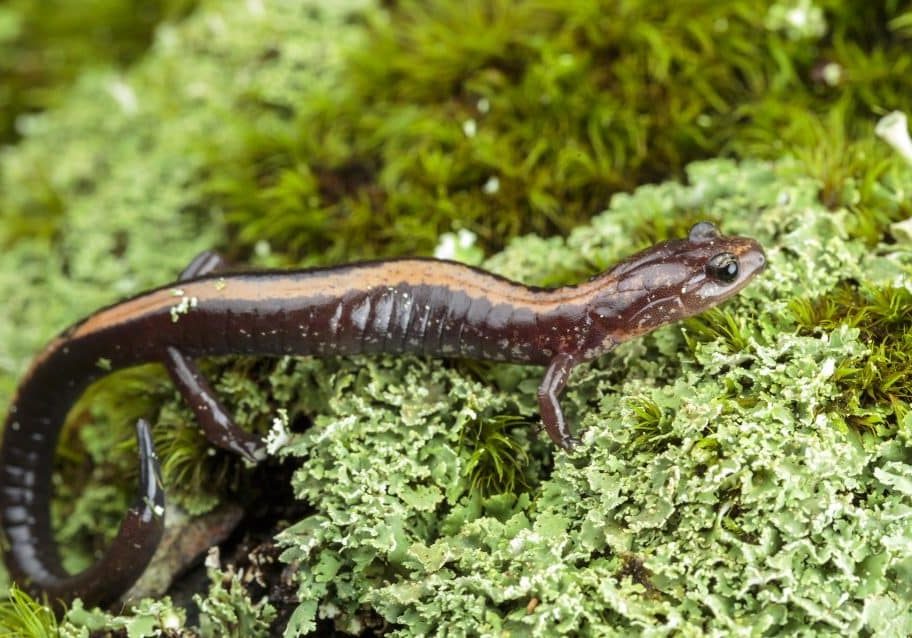
The Shenandoah Salamander
The Shenandoah salamander is a woodland salamander, which has adapted to life at higher elevations away from water. This sparkling rarity lives among the dry leaves, cracked logs, and stony hillocks on the highest peaks of Shenandoah National Park.

Leave a comment
Your email address will not be published. Required fields are marked *
Leave a Comment