

Integrating a Plant Medicine Economy
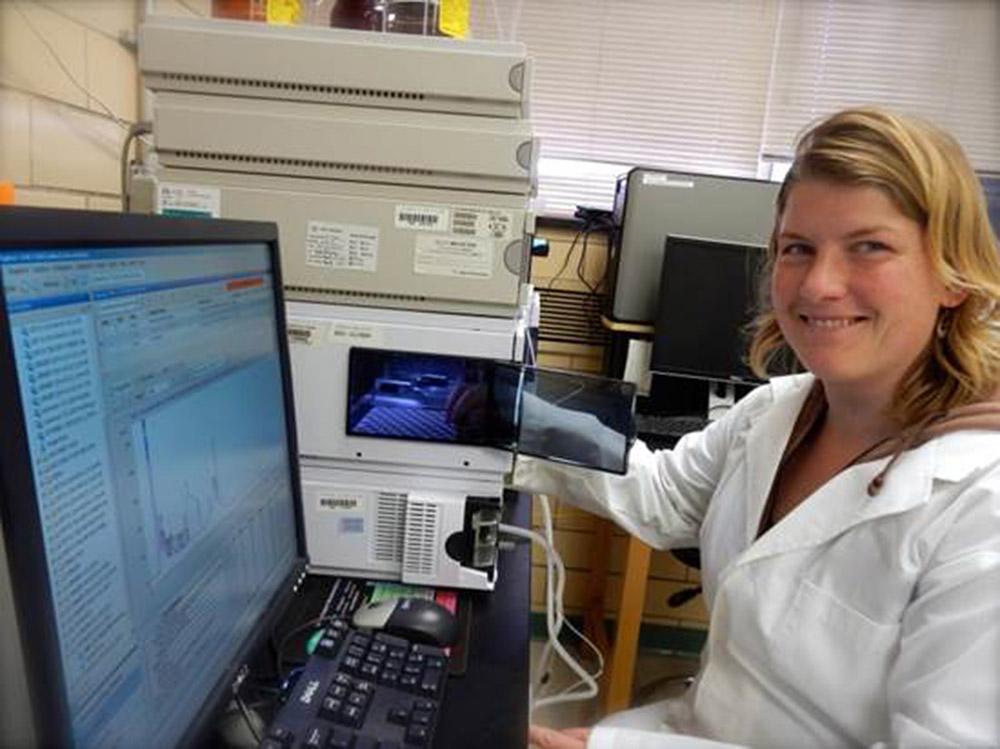
Vickers works in the Bionetwork lab, which hosts training, education and outreach in addition to lab services. Photo by Marie Knight
By Eliza Laubach
In a lab on the grounds of Asheville-Buncombe Technical Community College, Amanda Vickers looks at medicinal plants on a microscopic level. She is testing the plants — valued as a source of income by many in the biodiverse Blue Ridge Mountains — to determine their potency for use in herbal products.
As director of the U.S. Botanical Safety Laboratory, Vickers uses botanical labs at universities and community colleges across western North Carolina to conduct her tests. The results inform wild harvesters and farmers about when to harvest and how to process the herbs. Vickers also adds plant samples to North Carolina Arboretum’s Germplasm Repository, North America’s only gene and seed bank for medicinal plants.
“We’re sort of an engine for getting farmers’ crops qualified and getting them in the hands of other local people,” says Vickers.
The Bent Creek Institute, a nonprofit business accelerator, manages the lab and seeks to serve as a catalyst for economic development in a region abound with herbalists. As part of this goal, Vickers is currently working with a local salon to develop an herbal dry shampoo, first by connecting a wild harvester and a farmer with the hairstylists, and then testing the product as it undergoes development. This work is done out of the Bionetwork, a lab on the campus of A-B Tech that serves as public testing and teaching grounds. Ultimately, the dry shampoo may qualify for the Blue Ridge Naturally label, designating the local sourcing of the ingredients.
Blue Ridge Food Ventures is a commercial kitchen that also collaborates with the Bionetwork lab, initiated by the economic development group AdvantageWest. At the kitchen, entrepreneurs craft food and cosmetic products and can use the lab, or employ Vickers, to test the integrity of their ingredients. “We try to stay really embedded in the local economy,” says Vickers.
For more information, visit botanical-safety.com
CORRECTION: The original article misidentified where the lab Amanda Vickers works in as being in the basement of the North Carolina Arboretum and what is is called. It misidentified Bent Creek Institute as a business incubator, stated that the dry shampoo Vickers is working on will qualify for the Blue Ridge Naturally label and did not name the photographer of the picture.
Related Articles
Latest News
More Stories

Signs of Life
In the Nantahala National Forest, a team of biologists spotted Indiana bats, an endangered species that hasn’t been seen in North Carolina for the last 11 years.

‘First Line of Defense’
During Hurricane Helene and its aftermath, rural fire departments and other first responder hubs played critical roles in keeping their communities safe, even without power and cut off from outside support for days or weeks after the storm. Two years later, plenty of work remains to ensure these hubs have the resources they need to operate day to day and be ready when emergencies or natural disasters strike.

The Rocky Road — and Bridge — to Recovery
Hurricane Helene is estimated to have damaged nearly 7,000 private roads and bridges in Western North Carolina. Two years later, many restoration projects are complete, but the journey hasn’t been easy — and isn’t over for others.
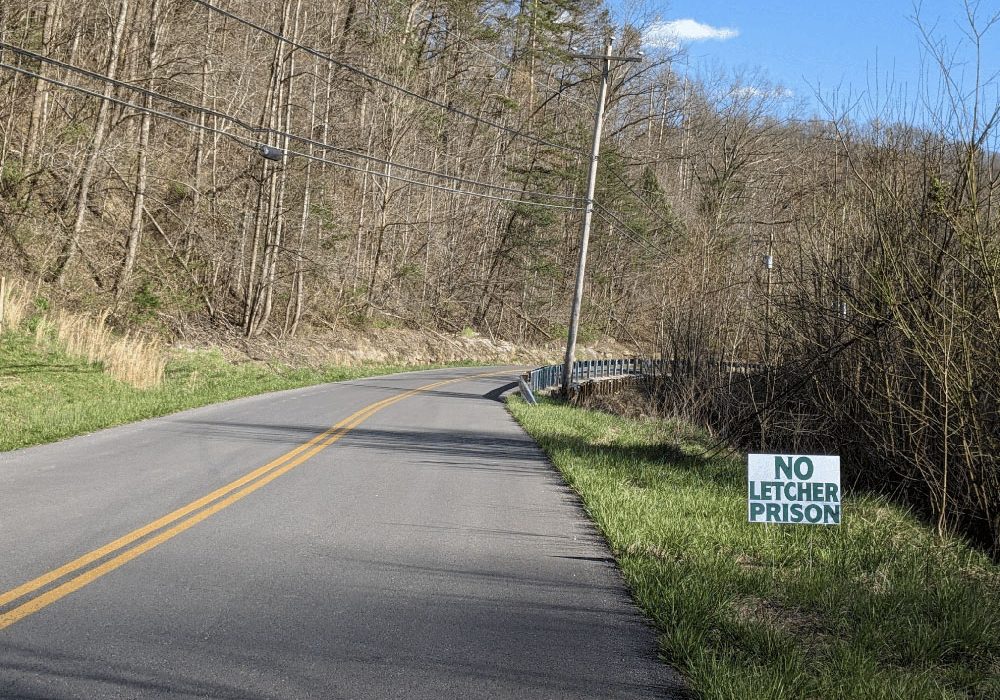
After 20 Years, Letcher County Prison Proposal Is Still Alive, Though Obstacles Remain
A $605 million proposal for a federal prison on a former strip mine site in Letcher County, Kentucky, championed by U.S. Rep. Hal Rogers, refuses to die, despite local opposition, a lack of support from the executive branch and numerous other obstacles.
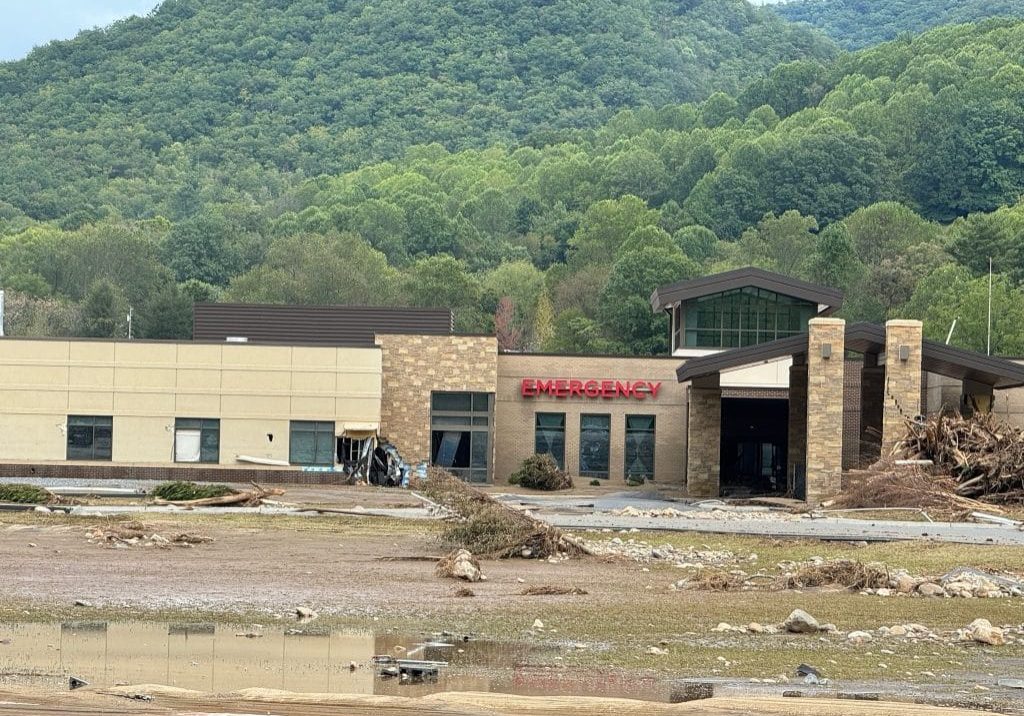
The Washout and Rebuild
For nearly two years, residents of Unicoi County, Tennessee, have had to make do without a hospital after Hurricane Helene destroyed the rural hospital. Ballad Health, which owns the hospital, broke ground on a new location — in another floodplain — in August 2026.
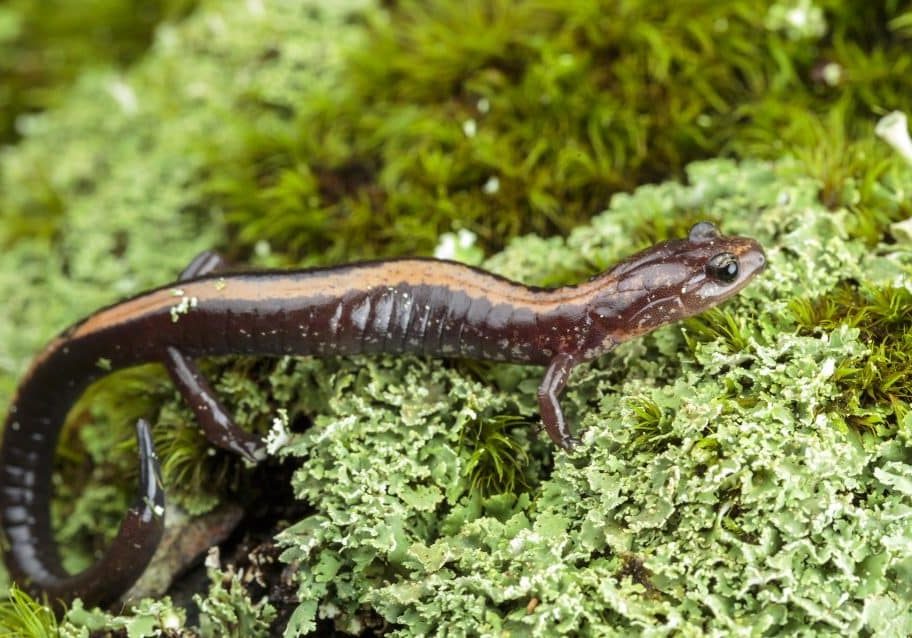
The Shenandoah Salamander
The Shenandoah salamander is a woodland salamander, which has adapted to life at higher elevations away from water. This sparkling rarity lives among the dry leaves, cracked logs, and stony hillocks on the highest peaks of Shenandoah National Park.

Leave a comment
Your email address will not be published. Required fields are marked *
One response to “Integrating a Plant Medicine Economy”
-

Great article, but several entities are misidentified. BioNetwork is a statewide organization that is part of the community college system Our offices in the western part of the state are located on the A-B Tech Enka site. We are BioNetwork at A-B Tech, not Blue Ridge BioNetwork.
Blue Ridge Food Ventures is transitioning to WNC Communities as AdvantageWest is slowly closing down.
Thank you!

Leave a Comment