

Hemp Makes A Comeback
By Laura Marion
In early May, the commissioner of the Kentucky Department of Agriculture announced that 121 industrial hemp projects will be participating in this second year of the state’s five-year pilot program. Licensed growers and processors, as well as seven universities, will cultivate more than 1,700 acres — up from just 33 acres last year.
“Hemp equals jobs and economic development,” the commissioner said in a press release.
Plans to cultivate this profitable crop — used for natural body care, clothing, construction materials, biofuels, food and more — are also in the works for several additional states in Appalachia.
At press time, the 53 farmers approved to participate in Tennessee’s new pilot program are awaiting hemp seed shipments, which need to be planted by June. West Virginia, which legalized production for research purposes more than a year ago, may soon approve commercial growers too. Close behind is Virginia, with an industrial hemp research farming bill that will go into effect this July. The industry is not legal in North Carolina, but a company is building a plant to process kenaf, a fibrous cousin to hemp.
A variety of Cannabis, hemp was outlawed in 1970 because lawmakers feared a correlation between hemp and marijuana since hemp contains some THC, marijuana’s psychoactive ingredient. However, the amount of THC in hemp is minimal.
Prior to February 2014, when the farm bill removed long-standing federal restrictions on hemp cultivation, hemp fiber and oil were mainly imported from China, Canada and Europe. Before hemp production was criminalized, it was widely cultivated in the United States. Even the Declaration of Independence was drafted on paper made from hemp.
Related Articles
Latest News
More Stories
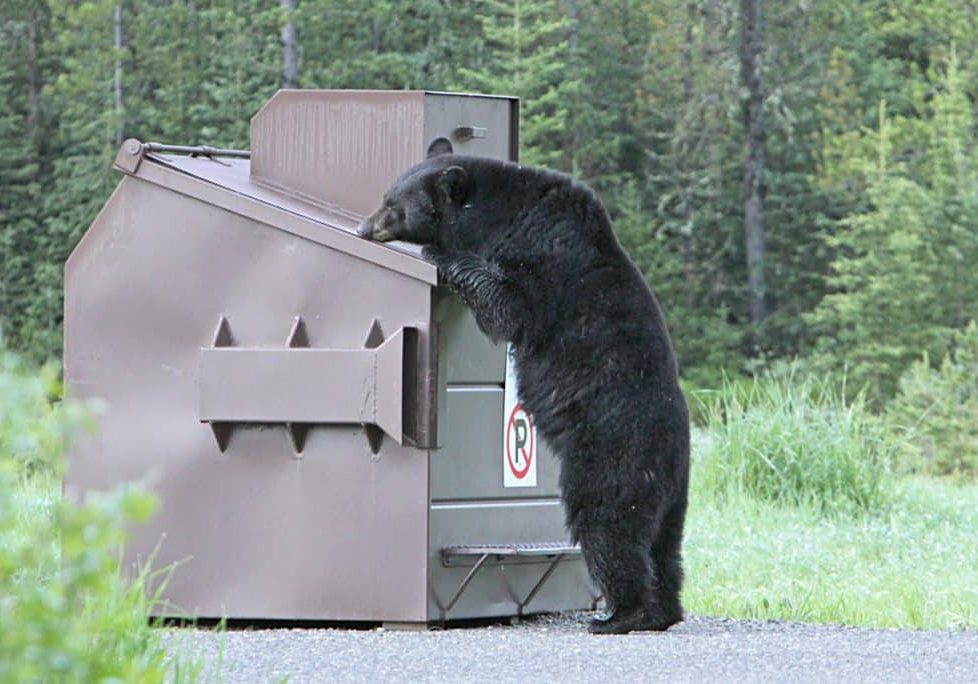
Increasing Human-Bear Conflict Prompts Legislation, Need for More Public Awareness
Experts report human-bear conflicts are on the rise in Western North Carolina, East Tennessee and other parts of the country due to an increasing bear population, development encroaching on bear habitat and other factors.
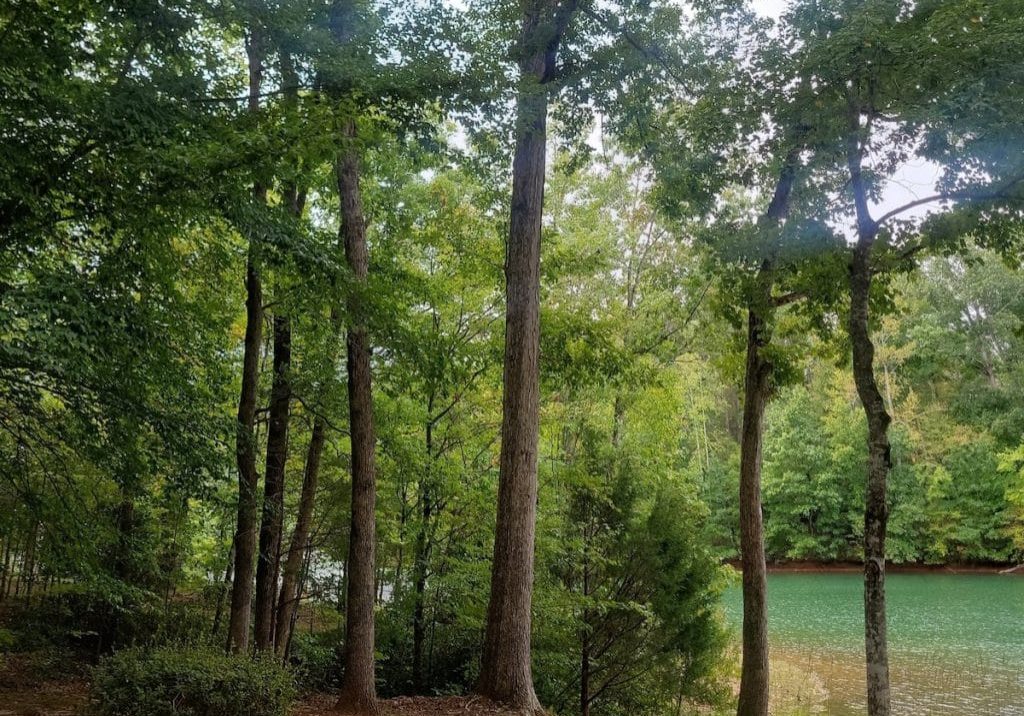
Planting for the Grandkids
Gardening from memory is getting trickier in Appalachia as hardiness zones change. Some areas, like parts of Asheville, Knoxville and Johnson City, have shifted full hardiness zones since 1990. An arborist explains what this shift means for the trees you plant this fall, and for the grandchildren who’ll live with them.

Ridgeline Pipeline Construction Impacts in Rural East Tennessee
Neighbors share concerns about noise, unpredictable construction schedules and other disruptions due to methane gas pipeline construction in East Tennessee.
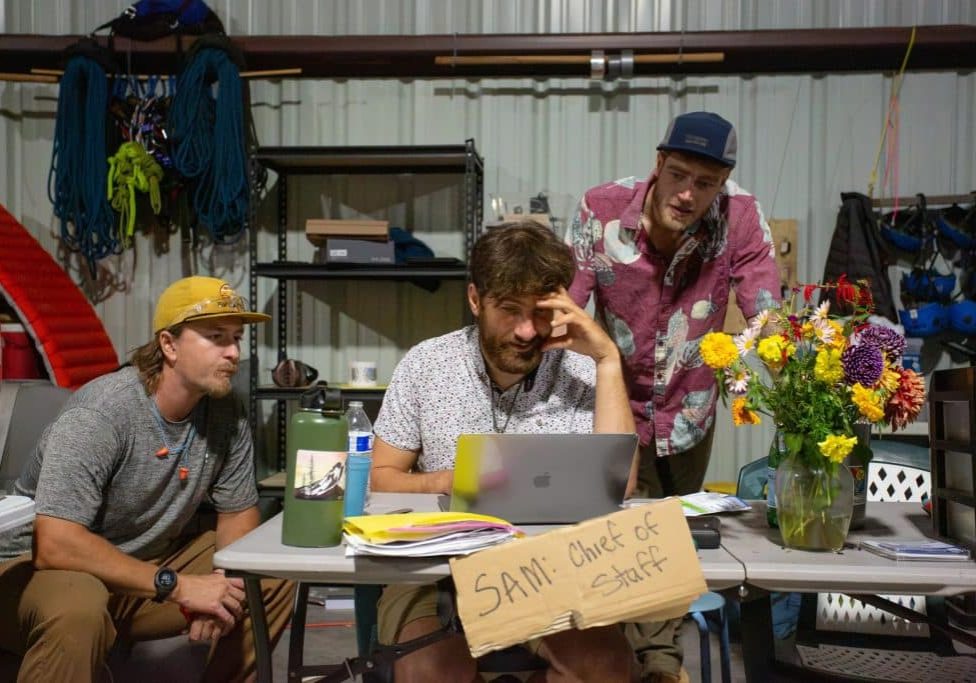
Neighbors Help Neighbors
A photo essay that celebrates the volunteer spirit of the grassroots group Hurricane Helene WNC and speaks to the resourcefulness, collaboration and hard work embodied by thousands and thousands of volunteers, first responders and aid workers across the region after Hurricane Helene.

Halloween Approaches, and Night School Is in Session
The House of Art in Bluefield, West Virginia, looks like a haunted tower, making it the perfect location for its sixth annual haunt event: Night School. The Night School will be open every Friday and Saturday night through Oct. 31.
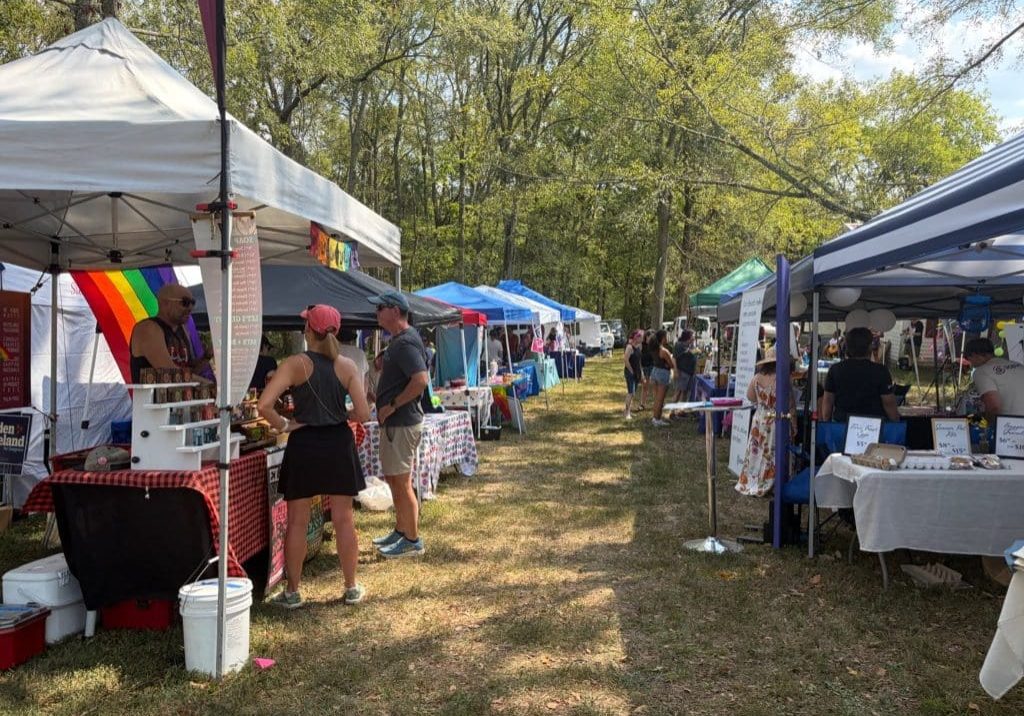
‘The Most Perfect Act of Love’
Hundreds of people attended the second annual Affirming Sumner Pride celebration on a 24-acre farm dubbed “Fruity Farm” in Bethpage, Sumner County, Tennessee.

Leave a comment
Your email address will not be published. Required fields are marked *
2 responses to “Hemp Makes A Comeback”
-

Hemp is legal here in West Virginia as well. 🙂
( Since 2002) -
Lets not forget about the many uses of CBD oil derived from hemp. With next to no side effects and a myriad of uses CBD oil really catching peoples attention. They can put the CBD oil in tinctures, edibles (like chocolate!), and capsules, creams etc. You can purchase this stuff online at stores like discovercbd.com . There isnt any significant THC in these products so you wont get high.. just CBD. And just fyi CBD stands for cannabidiol:)


Leave a Comment