

By Eliza Laubach
A train carrying crude oil derailed and ignited during a snowstorm in West Virginia on Feb. 17, sending a fireball into the sky. The inferno burned down one home and forced residents from three nearby towns to evacuate. At least one of the 25 overturned tankers spilled into a tributary of the nearby Kanawha River.
The train was carrying especially volatile crude oil from the Bakken shale in North Dakota to a refinery in Yorktown, Va. The governor called a state of emergency and train operator CSX Transportation offered reimbursements to affected residents. The U.S. Department of Transportation and Federal Railroad Administration are investigating the disaster.
Also in February, Virginia’s Department of Environmental Quality fined CSX $361,000 for another train derailment last year in Lynchburg, Va.
“Since 2008, the number of tanker cars hauling oil has increased 40-fold,” the Associated Press reported in 2014, “and federal records show that’s been accompanied by a dramatic spike in accidental crude releases from tank cars.” At a statewide emergency management conference in March, CSX spoke to how they would prevent accidents, prepare residents and respond when derailments occur.
An analysis by U.S. Department of Transportation predicts an average of 10 crude oil train derailments per year over the next few decades. In March, seven U.S. senators urged the White House to finalize proposed oil tanker car safety regulations, which Congress had mandated be made final by January 2015. North Dakota, where much of the crude oil originates, passed state laws April 1 requiring that the oil be treated with heat or pressure to lessen its explosive nature.
Related Articles
Latest News
More Stories
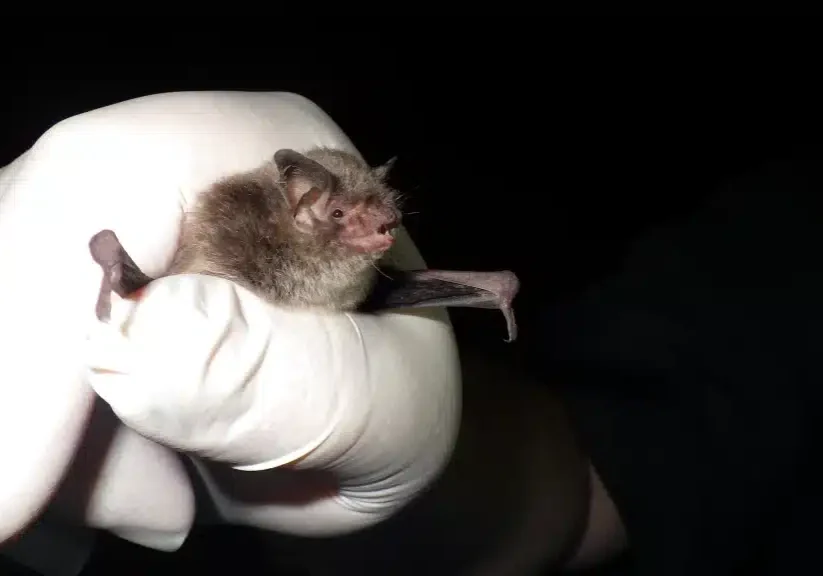
Signs of Life
In the Nantahala National Forest, a team of biologists spotted Indiana bats, an endangered species that hasn’t been seen in North Carolina for the last 11 years.

‘First Line of Defense’
During Hurricane Helene and its aftermath, rural fire departments and other first responder hubs played critical roles in keeping their communities safe, even without power and cut off from outside support for days or weeks after the storm. Two years later, plenty of work remains to ensure these hubs have the resources they need to operate day to day and be ready when emergencies or natural disasters strike.

The Rocky Road — and Bridge — to Recovery
Hurricane Helene is estimated to have damaged nearly 7,000 private roads and bridges in Western North Carolina. Two years later, many restoration projects are complete, but the journey hasn’t been easy — and isn’t over for others.
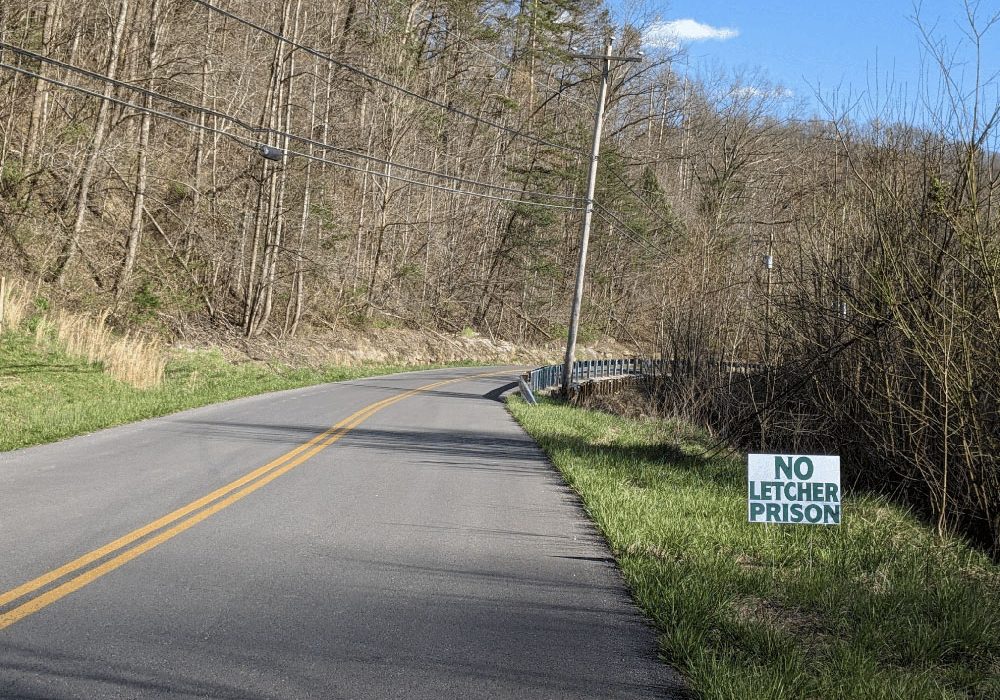
After 20 Years, Letcher County Prison Proposal Is Still Alive, Though Obstacles Remain
A $605 million proposal for a federal prison on a former strip mine site in Letcher County, Kentucky, championed by U.S. Rep. Hal Rogers, refuses to die, despite local opposition, a lack of support from the executive branch and numerous other obstacles.
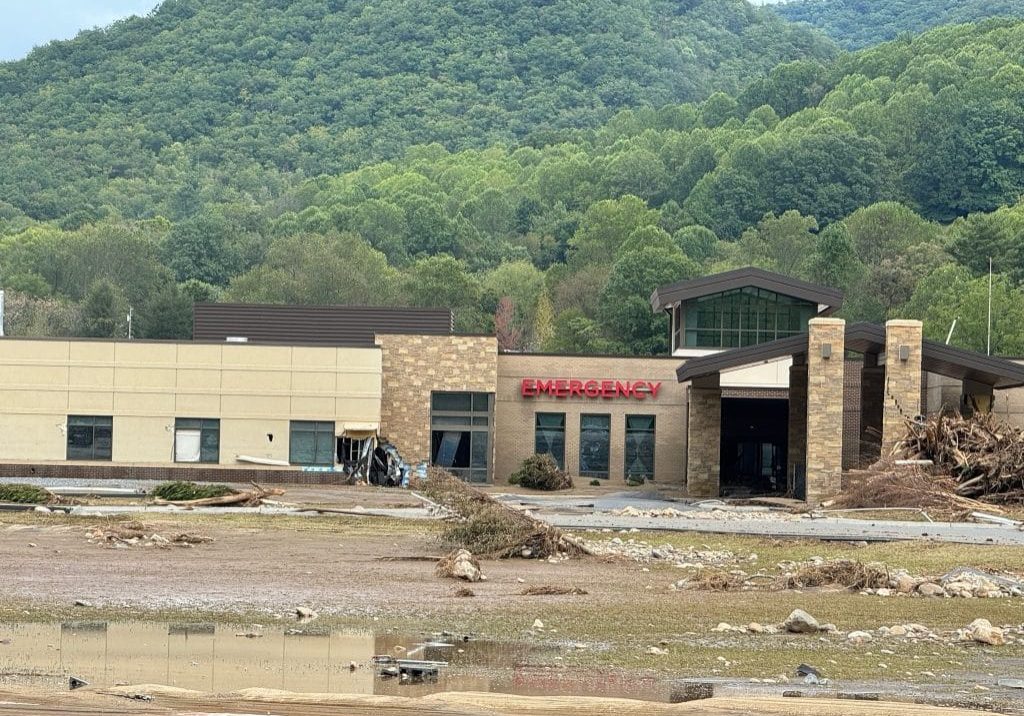
The Washout and Rebuild
For nearly two years, residents of Unicoi County, Tennessee, have had to make do without a hospital after Hurricane Helene destroyed the rural hospital. Ballad Health, which owns the hospital, broke ground on a new location — in another floodplain — in August 2026.

The Shenandoah Salamander
The Shenandoah salamander is a woodland salamander, which has adapted to life at higher elevations away from water. This sparkling rarity lives among the dry leaves, cracked logs, and stony hillocks on the highest peaks of Shenandoah National Park.

Leave a comment
Your email address will not be published. Required fields are marked *
Leave a Comment