

Drivers of Pollution
By W. Spencer King
Nearly ninety percent of Americans drive to work everyday, the commute bookending the workday with traffic, red lights and monotony.
Greenhouse gases contribute to climate change and smog, which are detrimental to both the environment and human health. These gases come from many sources including industry and electricity generation, but nearly every commuter is involved with one of the largest factors of greenhouse gas emissions: gasoline-powered vehicles.
Among the greenhouse gases from the transportation sector, carbon dioxide traps heat in the Earth’s atmosphere and is a centerpoint in the discussion about global warming. Methane affects the upper atmosphere by degrading the ozone layer, and nitrous oxide also poses a significant threat to ozone layer depletion. Fluorinated gases have a large global warming potential; they leak from refrigerants used in vehicle air-conditioning units and can stay in the atmosphere for decades.

Click to enlarge. Graphics by Maggie Sherwood
Related Articles
Latest News
More Stories

Neighbors Help Neighbors
A photo essay that celebrates the volunteer spirit of the grassroots group Hurricane Helene WNC and speaks to the resourcefulness, collaboration and hard work embodied by thousands and thousands of volunteers, first responders and aid workers across the region after Hurricane Helene.

Halloween Approaches, and Night School Is in Session
The House of Art in Bluefield, West Virginia, looks like a haunted tower, making it the perfect location for its sixth annual haunt event: Night School. The Night School will be open every Friday and Saturday night through Oct. 31.

‘The Most Perfect Act of Love’
Hundreds of people attended the second annual Affirming Sumner Pride celebration on a 24-acre farm dubbed “Fruity Farm” in Bethpage, Sumner County, Tennessee.

Signs of Life: Endangered Bats Found in Nantahala for First Time in More Than a Decade
In the Nantahala National Forest, a team of biologists spotted Indiana bats, an endangered species that hasn’t been seen in North Carolina for the last 11 years.

‘First Line of Defense’
During Hurricane Helene and its aftermath, rural fire departments and other first responder hubs played critical roles in keeping their communities safe, even without power and cut off from outside support for days or weeks after the storm. Two years later, plenty of work remains to ensure these hubs have the resources they need to operate day to day and be ready when emergencies or natural disasters strike.
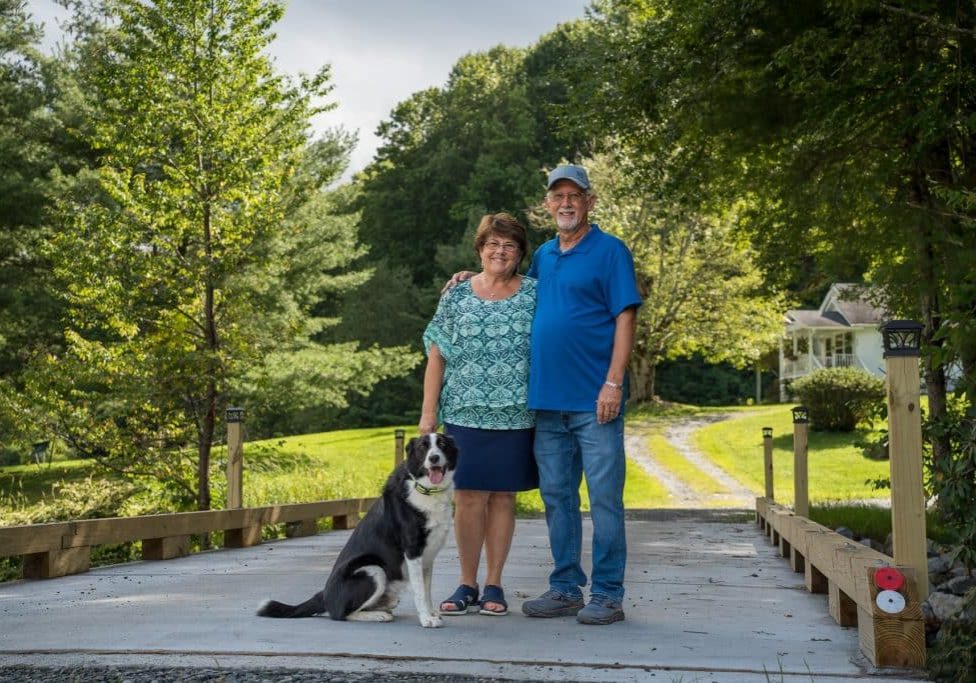
The Rocky Road — and Bridge — to Recovery
Hurricane Helene is estimated to have damaged nearly 7,000 private roads and bridges in Western North Carolina. Two years later, many restoration projects are complete, but the journey hasn’t been easy — and isn’t over for others.

Leave a comment
Your email address will not be published. Required fields are marked *
Leave a Comment