

Are We There Yet?
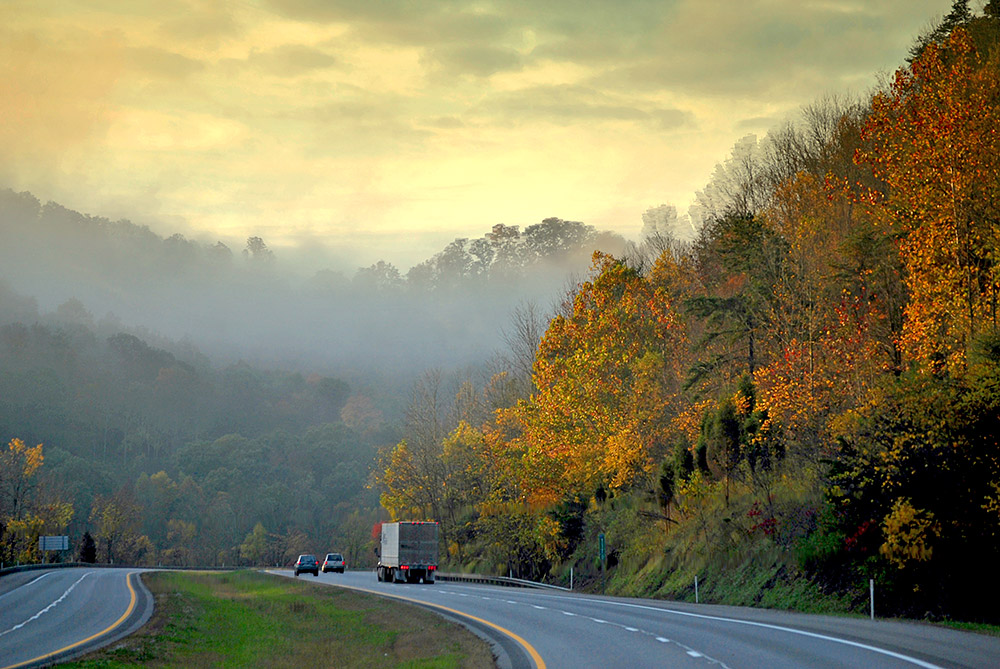
“Foggy Morning Drive” was taken on Interstate 77 in northern West Virginia by photographer Rob Carter
The future of transportation is right around the bend — it’s just a matter of getting there.
By Molly Moore
Two-lane country highways snaking around bends, and gravel lanes winding through valleys, are part of the national image of Appalachia. The twists of these roads shape a sense of home, and draw visitors to explore what’s around the next curve.
That appeal is epitomized by the Blue Ridge Parkway, a National Park Service scenic roadway in North Carolina and Virginia. More than 15 million visitors each year come to absorb sweeping mountain vistas and hike roadside trails. In southwest Virginia, the aptly named Crooked Road designates a 330-mile heritage music trail that directs travelers to cultural and outdoor destinations in small towns along the route.
Yet while the steep climbs and hairpin turns characteristic of Appalachia have helped protect the rural character of many areas, some argue that the region’s roads have also hindered the spread of goods and people.
Harsh winters can drive up the cost of road maintenance, particularly in rural areas, and keep school buses sitting idle. And in parts of the region with extractive industry, heavy truck traffic from coal mining, natural gas drilling and logging operations has wreaked havoc on roadways by accelerating wear and tear. In some areas, locals describe frequent reckless driving and routes blocked by industrial traffic.
No matter what the road conditions are, some of the region’s most vulnerable residents — in both rural and urban areas — are left stranded by lack of a vehicle and insufficient public and private transportation options.
But despite these challenges, there are people in every corner of the region working to pave a smoother path forward, whether by providing rides for neighbors in need, participating in local highway planning, or building the electric vehicle network that might be commonplace for the next generation of Appalachian drivers.
This issue of The Appalachian Voice takes a look at where we’re going, and how we’re getting there.
Related Articles
Latest News
More Stories

Signs of Life
In the Nantahala National Forest, a team of biologists spotted Indiana bats, an endangered species that hasn’t been seen in North Carolina for the last 11 years.

‘First Line of Defense’
During Hurricane Helene and its aftermath, rural fire departments and other first responder hubs played critical roles in keeping their communities safe, even without power and cut off from outside support for days or weeks after the storm. Two years later, plenty of work remains to ensure these hubs have the resources they need to operate day to day and be ready when emergencies or natural disasters strike.

The Rocky Road — and Bridge — to Recovery
Hurricane Helene is estimated to have damaged nearly 7,000 private roads and bridges in Western North Carolina. Two years later, many restoration projects are complete, but the journey hasn’t been easy — and isn’t over for others.
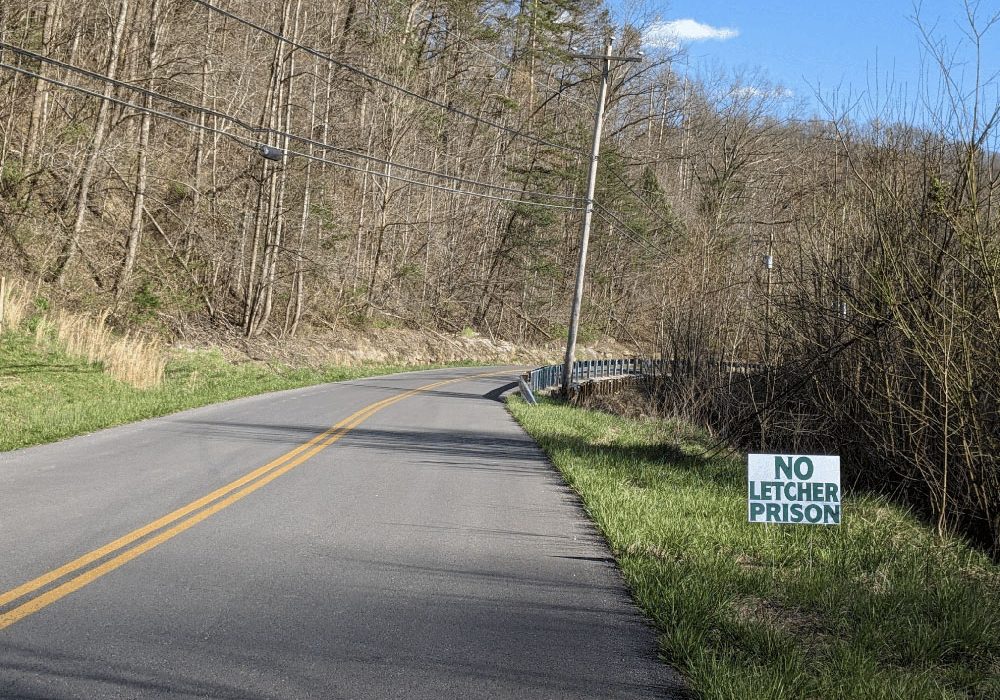
After 20 Years, Letcher County Prison Proposal Is Still Alive, Though Obstacles Remain
A $605 million proposal for a federal prison on a former strip mine site in Letcher County, Kentucky, championed by U.S. Rep. Hal Rogers, refuses to die, despite local opposition, a lack of support from the executive branch and numerous other obstacles.
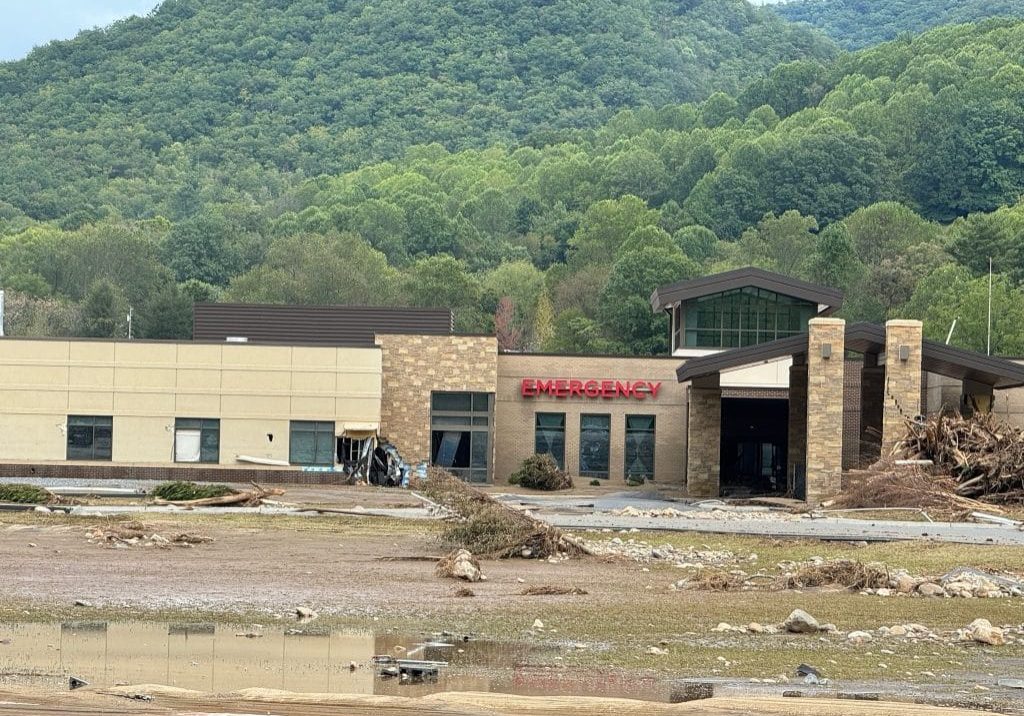
The Washout and Rebuild
For nearly two years, residents of Unicoi County, Tennessee, have had to make do without a hospital after Hurricane Helene destroyed the rural hospital. Ballad Health, which owns the hospital, broke ground on a new location — in another floodplain — in August 2026.

The Shenandoah Salamander
The Shenandoah salamander is a woodland salamander, which has adapted to life at higher elevations away from water. This sparkling rarity lives among the dry leaves, cracked logs, and stony hillocks on the highest peaks of Shenandoah National Park.

Leave a comment
Your email address will not be published. Required fields are marked *
Leave a Comment