

Bustling Streets, Thriving Business: A Shared Vision in Southwest Virginia
By Kimber Ray
Residents and community leaders came together in Dungannon, Va., this February for the official launch of a new regional project, Hometowns of the Clinch.
Participating communities, which currently include Dungannon, Tazewell, Richlands, Honaker, Cleveland, Cedar Bluff and St. Paul, will encourage economic development along the Clinch River — one of the most biodiverse river ecosystems in the United States.
Their connection to this unique resource has communities excited about the potential to promote their region as a global destination for outdoor recreation tourism. By sharing a unified marketing message with branding such as brochures, signage, t-shirts and patches, participating communities expand their ability to attract publicity.
The Clinch River Valley Initiative, a collaborative group of local stakeholders formed in 2010, organized Hometowns of the Clinch as part of ongoing efforts to revitalize the historically coal-dependent region. To participate in the project, communities must be actively engaged in the initiative and develop resources to support local tourism and entrepreneurship.
The initiative has already seen a number of successes. Several river outfitter and rental companies have opened to take advantage of the growing number of river access points, new trails and recreation guides have been developed and, with the accompanying growth in tourism, one town recently opened its first hotel in years.
This March, Hometowns of the Clinch Entrepreneurship Week celebrated the continued success of the region’s small businesses. Several towns hosted free workshops and discussions led by experts in business development and marketing, and there was also a river clean-up, jam sessions and a square dance.
Learn more at clinchriverva.com
Related Articles
Latest News
More Stories
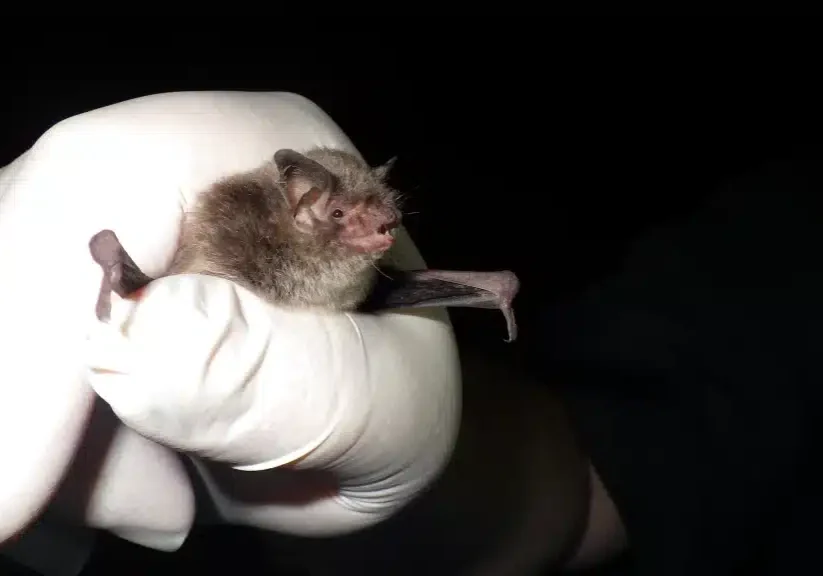
Signs of Life
In the Nantahala National Forest, a team of biologists spotted Indiana bats, an endangered species that hasn’t been seen in North Carolina for the last 11 years.

‘First Line of Defense’
During Hurricane Helene and its aftermath, rural fire departments and other first responder hubs played critical roles in keeping their communities safe, even without power and cut off from outside support for days or weeks after the storm. Two years later, plenty of work remains to ensure these hubs have the resources they need to operate day to day and be ready when emergencies or natural disasters strike.

The Rocky Road — and Bridge — to Recovery
Hurricane Helene is estimated to have damaged nearly 7,000 private roads and bridges in Western North Carolina. Two years later, many restoration projects are complete, but the journey hasn’t been easy — and isn’t over for others.
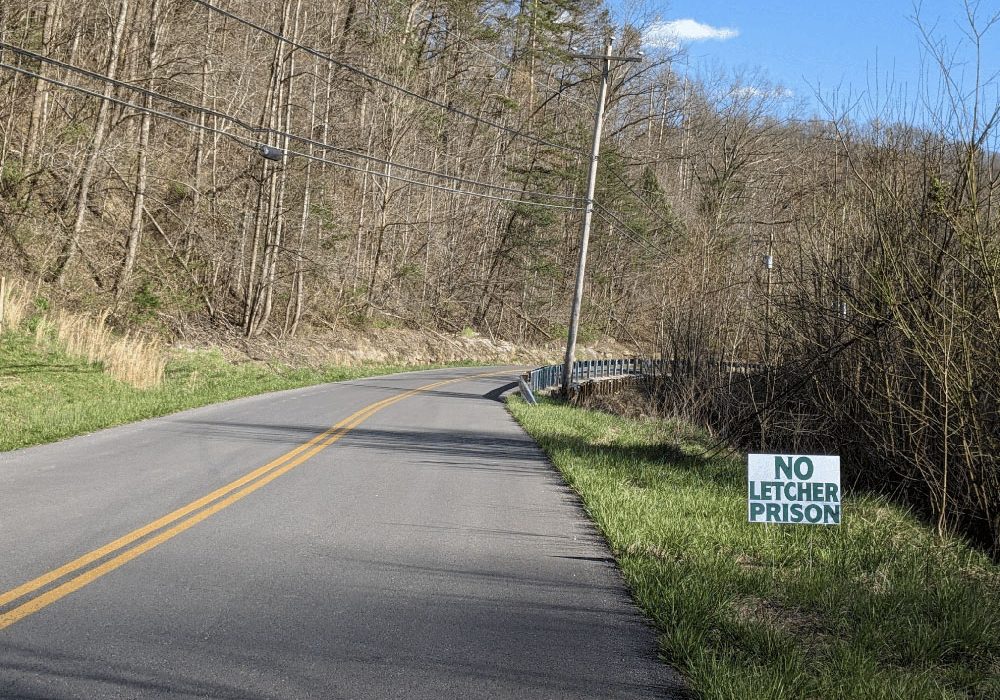
After 20 Years, Letcher County Prison Proposal Is Still Alive, Though Obstacles Remain
A $605 million proposal for a federal prison on a former strip mine site in Letcher County, Kentucky, championed by U.S. Rep. Hal Rogers, refuses to die, despite local opposition, a lack of support from the executive branch and numerous other obstacles.
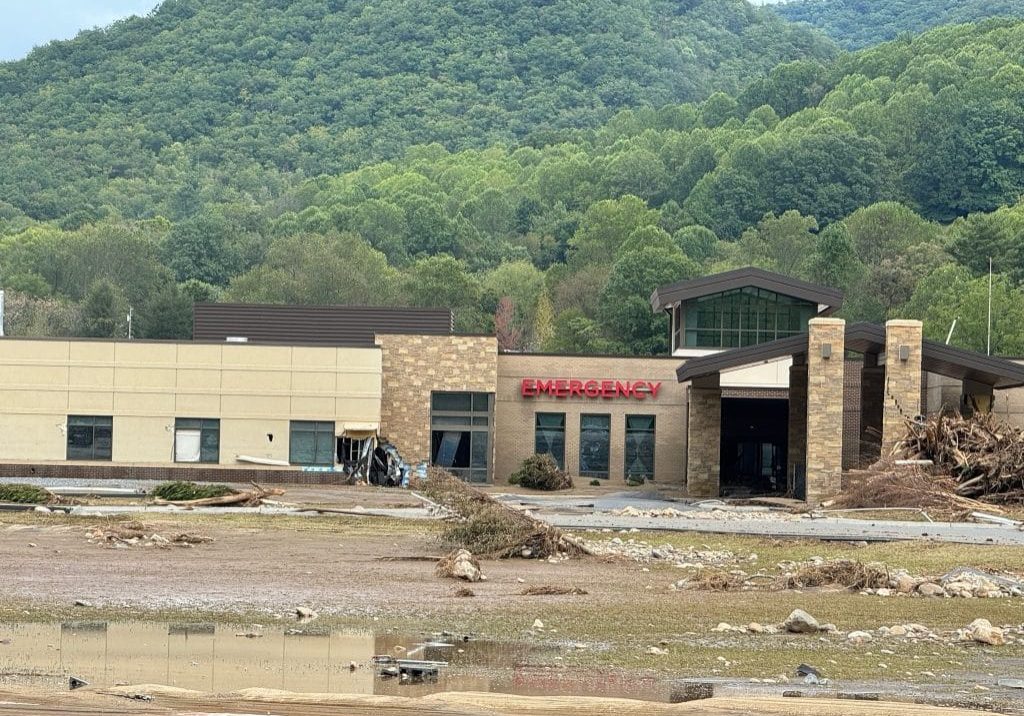
The Washout and Rebuild
For nearly two years, residents of Unicoi County, Tennessee, have had to make do without a hospital after Hurricane Helene destroyed the rural hospital. Ballad Health, which owns the hospital, broke ground on a new location — in another floodplain — in August 2026.

The Shenandoah Salamander
The Shenandoah salamander is a woodland salamander, which has adapted to life at higher elevations away from water. This sparkling rarity lives among the dry leaves, cracked logs, and stony hillocks on the highest peaks of Shenandoah National Park.

Leave a comment
Your email address will not be published. Required fields are marked *
Leave a Comment