

By Dac Collins and Lorelei Goff
At the end of 2014, several regional land trusts finalized a host of easements, conserving views, habitats and cultural sites.
In a typical conservation easement, land trusts protect property from development that might affect ecological integrity, while private landowners retain ownership.
The Dickson family of Monroe County, W.Va., recently donated their 600-acre farm to the West Virginia Land Trust as a conservation easement. The family has owned Spring Valley Farm since Richard Dickson settled there in 1776.
The easement is ripe with heritage and rural culture. Remnants of old mills and other historic structures are visible along the banks of Second Creek as it winds through the property. “One of the motivating reasons we wanted to seek permanent protection of the property was to preserve the scenic and agricultural character of the land,” Page Dickson told the land trust.
The Southern Appalachian Highlands Conservancy protected a 76-acre tract of land near Carver’s Gap in the Roan Highlands. With trout waterways, wildlife habitats and views from the Appalachian Trail, this “jewel in the crown of the Roan” was on the land trust’s radar for 40 years.
In the highlands of southwestern North Carolina, The Highlands-Cashiers Land Trust acquired the 48-acre Black Bear Trail property in Jackson County, N.C, increasing the size of a vital wildlife corridor to more than 1,000 acres.
The Foothills Land Conservancy had a record year and preserved more than 11,700 acres across southern Appalachia. The tracts range from 112 acres to 2,620 acres and are located in South Carolina, Kentucky, Georgia and Tennessee.
Related Articles
Latest News
More Stories

Signs of Life
In the Nantahala National Forest, a team of biologists spotted Indiana bats, an endangered species that hasn’t been seen in North Carolina for the last 11 years.

‘First Line of Defense’
During Hurricane Helene and its aftermath, rural fire departments and other first responder hubs played critical roles in keeping their communities safe, even without power and cut off from outside support for days or weeks after the storm. Two years later, plenty of work remains to ensure these hubs have the resources they need to operate day to day and be ready when emergencies or natural disasters strike.

The Rocky Road — and Bridge — to Recovery
Hurricane Helene is estimated to have damaged nearly 7,000 private roads and bridges in Western North Carolina. Two years later, many restoration projects are complete, but the journey hasn’t been easy — and isn’t over for others.
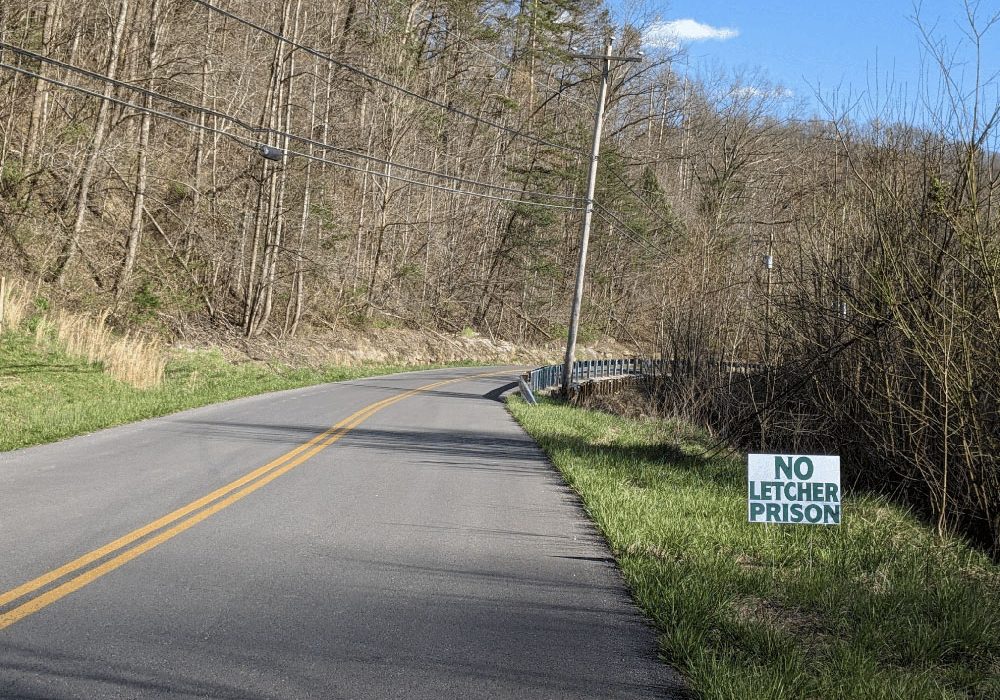
After 20 Years, Letcher County Prison Proposal Is Still Alive, Though Obstacles Remain
A $605 million proposal for a federal prison on a former strip mine site in Letcher County, Kentucky, championed by U.S. Rep. Hal Rogers, refuses to die, despite local opposition, a lack of support from the executive branch and numerous other obstacles.
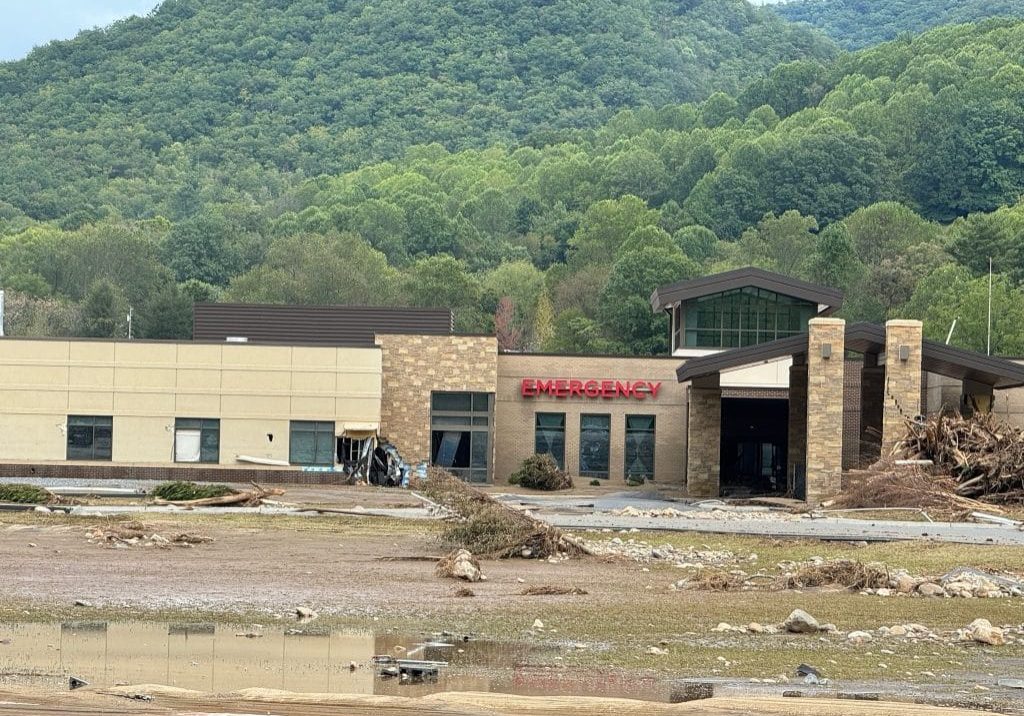
The Washout and Rebuild
For nearly two years, residents of Unicoi County, Tennessee, have had to make do without a hospital after Hurricane Helene destroyed the rural hospital. Ballad Health, which owns the hospital, broke ground on a new location — in another floodplain — in August 2026.
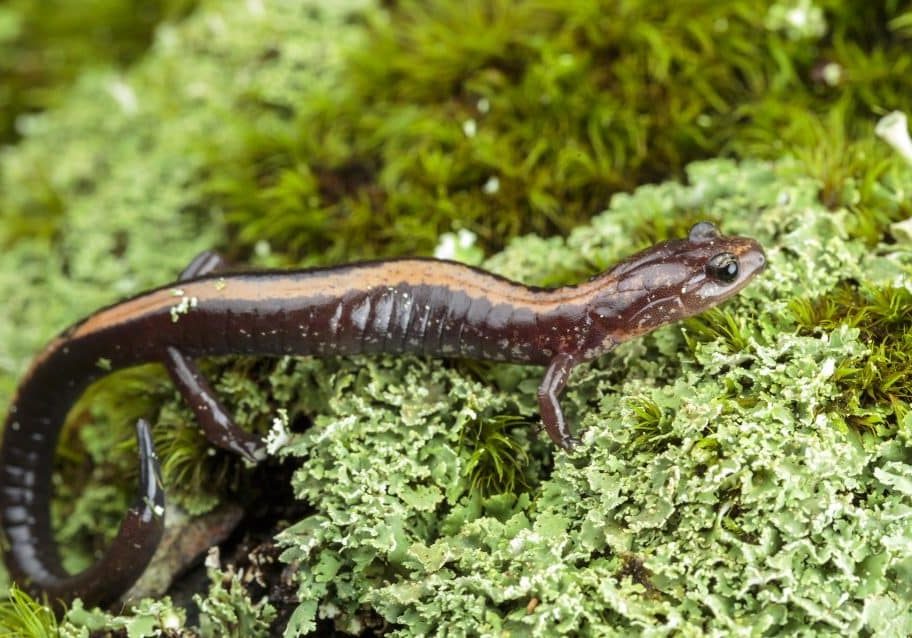
The Shenandoah Salamander
The Shenandoah salamander is a woodland salamander, which has adapted to life at higher elevations away from water. This sparkling rarity lives among the dry leaves, cracked logs, and stony hillocks on the highest peaks of Shenandoah National Park.

Leave a comment
Your email address will not be published. Required fields are marked *
Leave a Comment