

Five Schools Switch to Landfill Gas Power
By Carvan Craft
Five colleges are putting the saying “one man’s trash is another man’s treasure” into practice with their initiative to use landfill gas for light and power. Hollins University, Emory & Henry College, Lynchburg College, Randolph College and Sweet Briar College are the first institutions in Virginia on track to meet all of their electricity needs with renewable energy.
Given our annual production of garbage, landfill gas is considered a renewable resource. The gas is approximately half methane and half carbon dioxide, which is harmful when it leaks into the air from a landfill. Methane has a global warming potential that is 23 times greater than carbon dioxide.
Burning landfill gas to generate electricity prevents much of this harmful methane from entering the atmosphere, but whether the gas is a truly clean energy source is disputed because it also produces air pollution.
Robert B. Lambeth Jr., president of the Council of Independent Colleges in Virginia, says that one of the college sustainability coordinators approached him with the idea of switching from conventional power to electricity generated by landfill gas. The Council embraced this idea and began working with the five participating colleges on the project in March 2013.
The schools collectively established an agreement with the green energy firm Collegiate Clean Energy — an affiliate of the landfill gas company IGENCO — to purchase their electricity directly from the firm. As part of the agreement, the schools signed a 12-year contract that they expect will save them between $3.2 million and $6.4 million during that period.
The electricity generated from the landfill gas is distributed on the local grid operated by Appalachian Power, and the schools receive Renewable Energy Certificates that represent their direct contribution to lowering greenhouse gas emissions from conventional electricity. These green energy credits can be put on the market to be bought and traded by other groups seeking to support renewable energy.
Lambeth believes this is an excellent educational opportunity for students to learn more about renewable power companies through potential internships and tours of the landfill gas facility.
Several schools are developing other green initiatives in addition to the methane project. Four of the colleges have solar panels, three use geothermal heat pump systems and Lynchburg College heats water with solar tubes on the roof.
“The colleges obviously have a strong commitment to sustainability, climate control and using renewable energy where possible,” Lambeth says. “So this opportunity fits nicely with the goals of the colleges.”
Related Articles
Latest News
More Stories
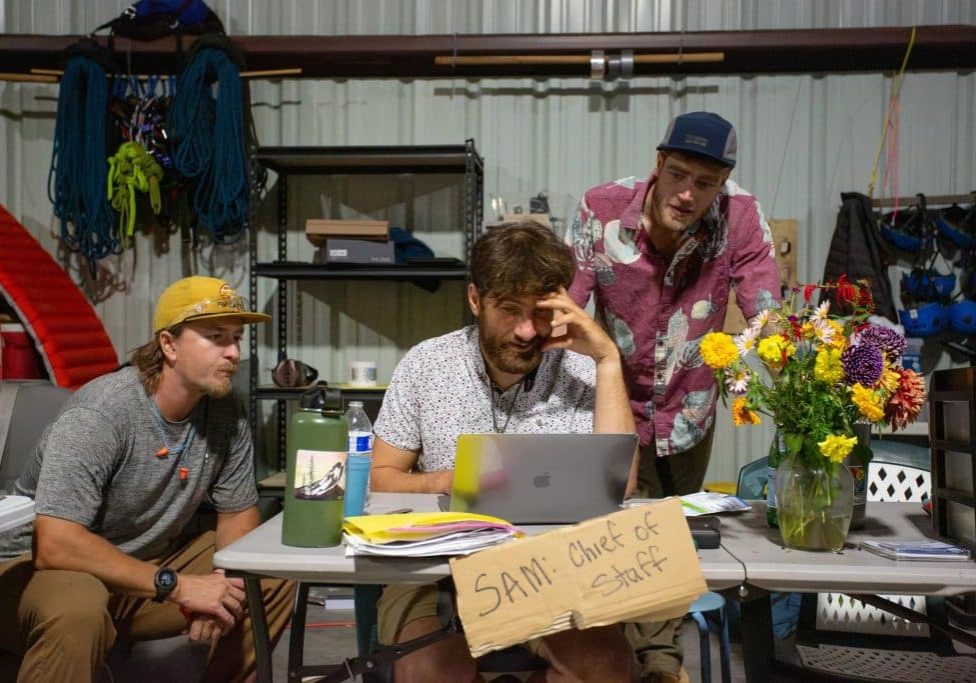
Neighbors Help Neighbors
A photo essay that celebrates the volunteer spirit of the grassroots group Hurricane Helene WNC and speaks to the resourcefulness, collaboration and hard work embodied by thousands and thousands of volunteers, first responders and aid workers across the region after Hurricane Helene.

Halloween Approaches, and Night School Is in Session
The House of Art in Bluefield, West Virginia, looks like a haunted tower, making it the perfect location for its sixth annual haunt event: Night School. The Night School will be open every Friday and Saturday night through Oct. 31.
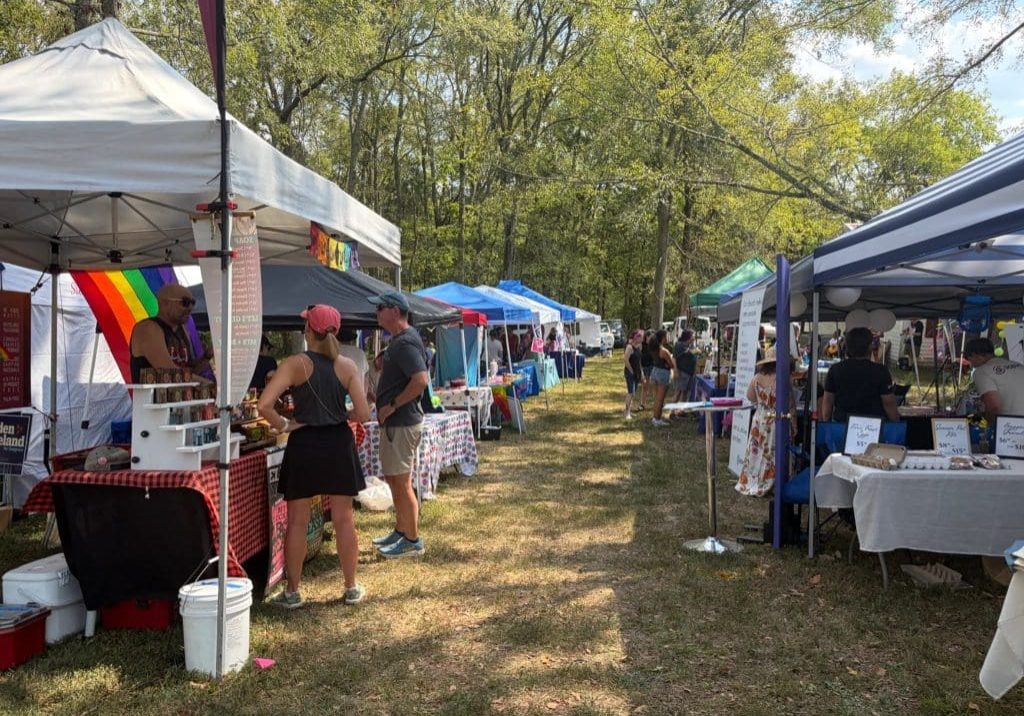
‘The Most Perfect Act of Love’
Hundreds of people attended the second annual Affirming Sumner Pride celebration on a 24-acre farm dubbed “Fruity Farm” in Bethpage, Sumner County, Tennessee.

Signs of Life: Endangered Bats Found in Nantahala for First Time in More Than a Decade
In the Nantahala National Forest, a team of biologists spotted Indiana bats, an endangered species that hasn’t been seen in North Carolina for the last 11 years.
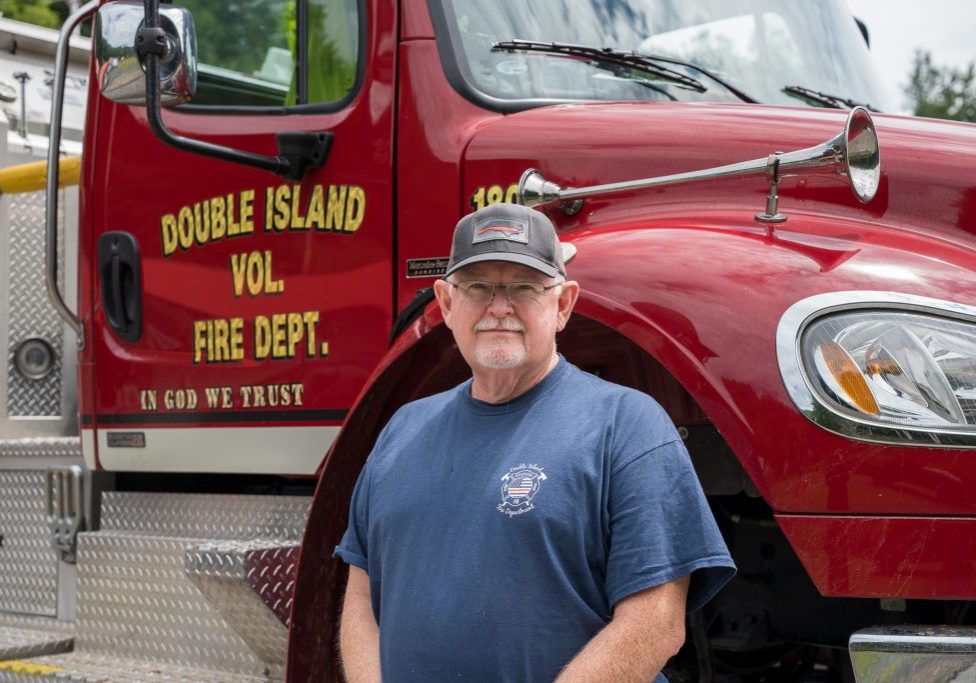
‘First Line of Defense’
During Hurricane Helene and its aftermath, rural fire departments and other first responder hubs played critical roles in keeping their communities safe, even without power and cut off from outside support for days or weeks after the storm. Two years later, plenty of work remains to ensure these hubs have the resources they need to operate day to day and be ready when emergencies or natural disasters strike.
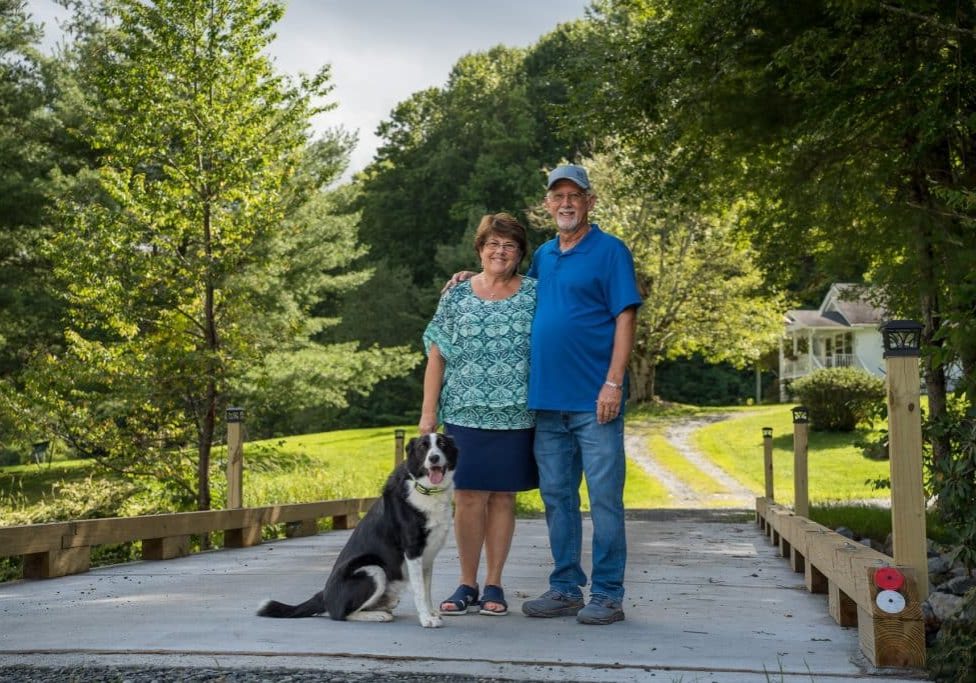
The Rocky Road — and Bridge — to Recovery
Hurricane Helene is estimated to have damaged nearly 7,000 private roads and bridges in Western North Carolina. Two years later, many restoration projects are complete, but the journey hasn’t been easy — and isn’t over for others.

Leave a comment
Your email address will not be published. Required fields are marked *
Leave a Comment