

Four Ways to Preserve the Farm
By Matt Grimley
Between economic, legal, regional and personal circumstances, no two farmers will make the same decisions about how to keep their farms productive into the future. Noted here are just a few paths to preserving the farming tradition. If you’re looking for more information, start at your local cooperative extension office.
Fostering land conservation, farm profitability and stewardship: Scores of programs at the state and national levels exist to assist the productivity and well-being of farms. For example, federally, the Environmental Quality Incentives Program pays up to 50 percent of the cost for farmers to implement sustainable practices and structures on farmland; and in southwest North Carolina, the nonprofit Mill Spring Agricultural Center provides trainings and a networking hub for Polk County farmers.
Looking into estate planning: Armed with attorneys and accountants, many farmers decide how to pass on the farm to family members and others through avenues including trusts, wills and gifts. The process of estate planning is long and complicated, but necessary to preserve a family’s ownership and legacy.
Leasing to younger farmers and other tenure options: Many times, if a farm becomes too large to manage or if extra income is needed, a farmer can be found to rent a section of the land. The agreements between a landowner and farmer can take many forms: short- and long-term leases, lease-to-own purchase agreements, and partnerships. Along with different types of internships, these arrangements can sometimes lead to more permanent positions for the beginning farmer and better ensure a farm’s future.
Joining or forming voluntary agricultural districts: Voluntary agricultural district programs allow farmers to form areas where commercial agriculture is encouraged and protected. It varies between localities, but typically a farmer receives community benefits in return for restricting development on the land for a 10-year period, such as protection from nuisance suits from non-agricultural neighbors.
Related Articles
Latest News
More Stories

Halloween Approaches, and Night School Is in Session
The House of Art in Bluefield, West Virginia, looks like a haunted tower, making it the perfect location for its sixth annual haunt event: Night School. The Night School will be open every Friday and Saturday night through Oct. 31.
‘The Most Perfect Act of Love’
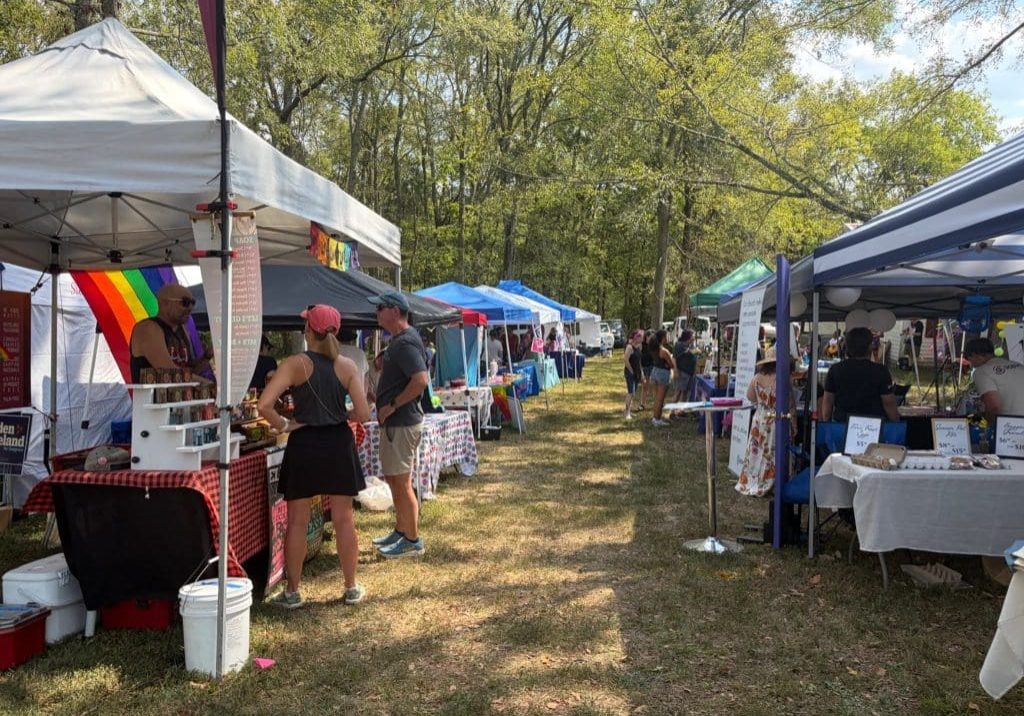
After losing its rural pride celebration, hundreds of people attended the second annual Affirming Sumner Pride celebration on a 24-acre farm dubbed “Fruity Farm” in Bethpage, Sumner County, Tennessee.

Signs of Life
In the Nantahala National Forest, a team of biologists spotted Indiana bats, an endangered species that hasn’t been seen in North Carolina for the last 11 years.

‘First Line of Defense’
During Hurricane Helene and its aftermath, rural fire departments and other first responder hubs played critical roles in keeping their communities safe, even without power and cut off from outside support for days or weeks after the storm. Two years later, plenty of work remains to ensure these hubs have the resources they need to operate day to day and be ready when emergencies or natural disasters strike.

The Rocky Road — and Bridge — to Recovery
Hurricane Helene is estimated to have damaged nearly 7,000 private roads and bridges in Western North Carolina. Two years later, many restoration projects are complete, but the journey hasn’t been easy — and isn’t over for others.
After 20 Years, Letcher County Prison Proposal Is Still Alive, Though Obstacles Remain
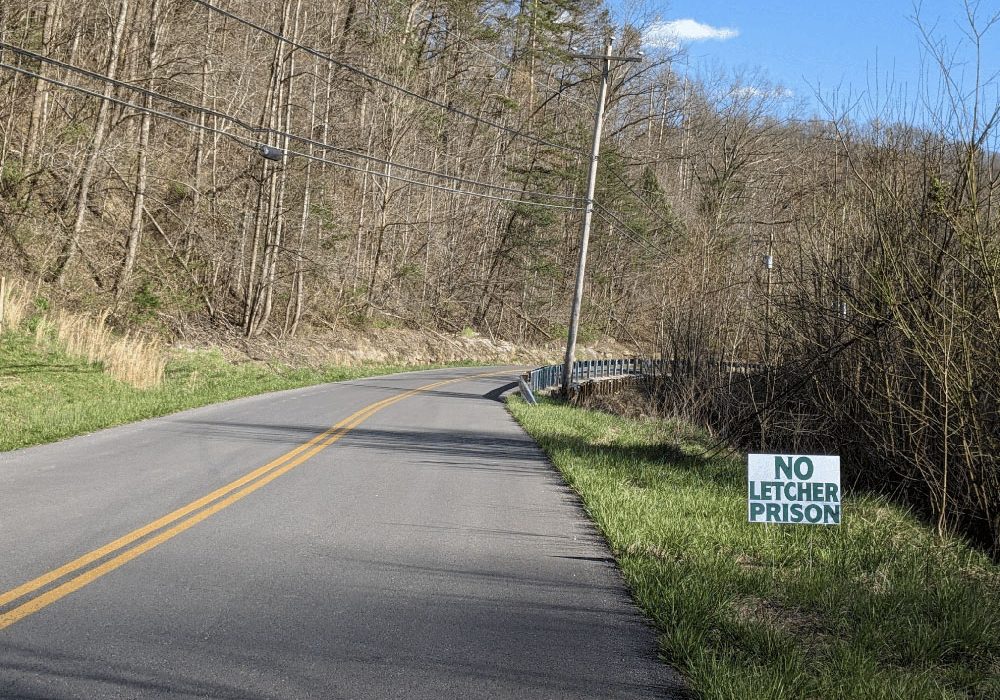
A $605 million proposal for a federal prison on a former strip mine site in Letcher County, Kentucky, championed by U.S. Rep. Hal Rogers, refuses to die, despite local opposition, a lack of support from the executive branch and numerous other obstacles.

Leave a comment
Your email address will not be published. Required fields are marked *
Leave a Comment