

Forest Service Funding Impacts Linville Gorge
Opinions from our Readers
Dear Editor,
The Feb./March 2013 issue of The Appalachian Voice briefly introduced the prescribed burn being proposed for the Linville Gorge Wilderness. The burning of this rugged landscape would be attempted multiple times over the next decade, ostensibly to restore the natural fire regime and reduce future wildfire potential. These commendable claims face serious logistical challenges in the daunting terrain of the gorge, and the controllability of a prescribed burn has been questioned by forestry professionals, National Forest Service employees, and even the burn proposal document itself. Nevertheless, NFS was moving forward with the project until word leaked out and public opposition quickly grew.
The merits and risks of the burn proposal continue to undergo examination by NFS and the public alike. Meanwhile, one thing is clear: this process would have unfolded very differently if the public had not become involved. Without the demand for due diligence, without the raising of valid concerns, and without the contribution of viable alternatives, this project would be controlled by that single greatest factor facing NFS at this time: funding. It’s a fact, freely admitted by the agency, that serious budget shortfalls are currently shaping policy. It so happens that funding has been allocated for those ranger districts willing to burn their forests, and the Grandfather District encompassing the Linville Gorge Wilderness hopes to gain access to those funds.
Without public action on the various issues faced in national forests across the nation, a radically different National Forest Service may emerge from this time of fiscal crisis. Just as NFS is under pressure to reexamine its purpose in the context of new economic conditions, we too are under pressure to decide what we expect in the management of public lands.
Kevin Massey
Jonas Ridge, N.C.
Related Articles
Latest News
More Stories

Halloween Approaches, and Night School Is in Session
The House of Art in Bluefield, West Virginia, looks like a haunted tower, making it the perfect location for its sixth annual haunt event: Night School. The Night School will be open every Friday and Saturday night through Oct. 31.
‘The Most Perfect Act of Love’
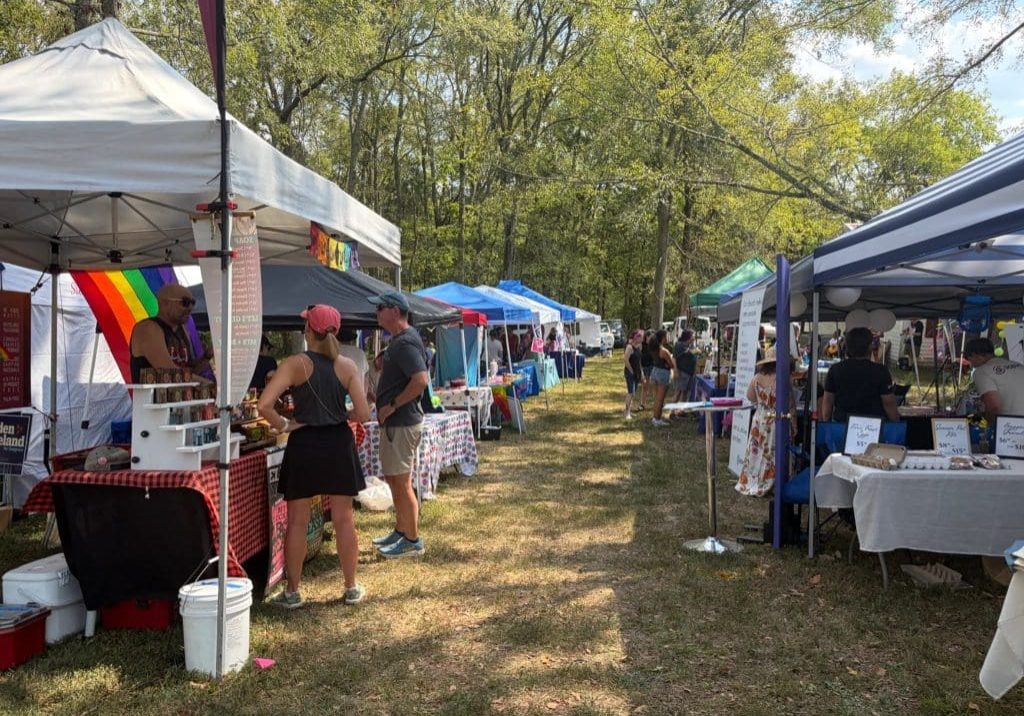
After losing its rural pride celebration, hundreds of people attended the second annual Affirming Sumner Pride celebration on a 24-acre farm dubbed “Fruity Farm” in Bethpage, Sumner County, Tennessee.

Signs of Life
In the Nantahala National Forest, a team of biologists spotted Indiana bats, an endangered species that hasn’t been seen in North Carolina for the last 11 years.

‘First Line of Defense’
During Hurricane Helene and its aftermath, rural fire departments and other first responder hubs played critical roles in keeping their communities safe, even without power and cut off from outside support for days or weeks after the storm. Two years later, plenty of work remains to ensure these hubs have the resources they need to operate day to day and be ready when emergencies or natural disasters strike.

The Rocky Road — and Bridge — to Recovery
Hurricane Helene is estimated to have damaged nearly 7,000 private roads and bridges in Western North Carolina. Two years later, many restoration projects are complete, but the journey hasn’t been easy — and isn’t over for others.
After 20 Years, Letcher County Prison Proposal Is Still Alive, Though Obstacles Remain
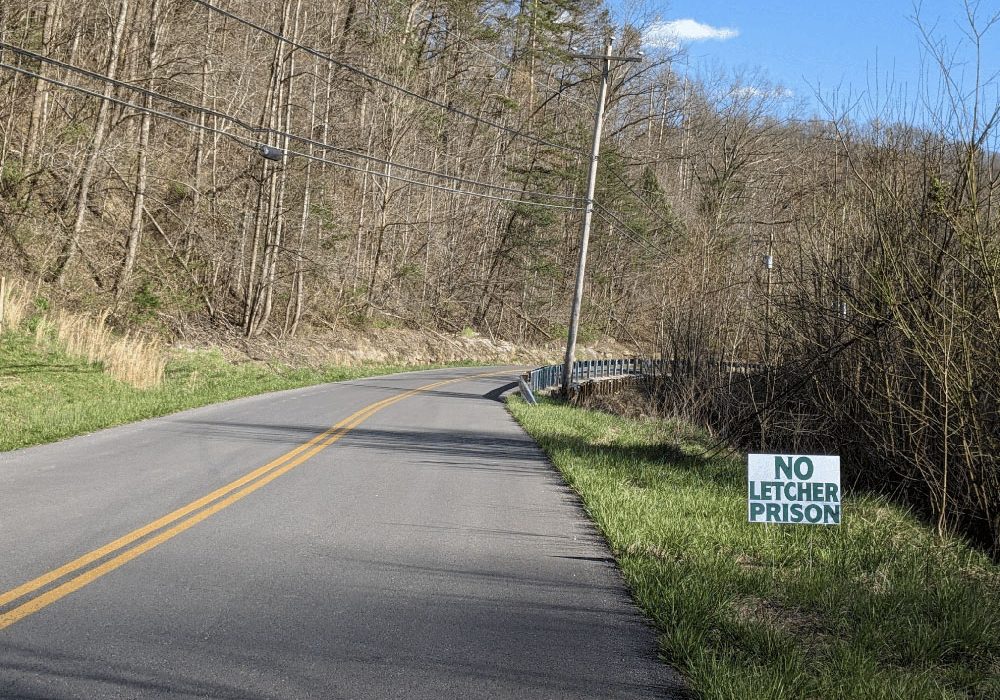
A $605 million proposal for a federal prison on a former strip mine site in Letcher County, Kentucky, championed by U.S. Rep. Hal Rogers, refuses to die, despite local opposition, a lack of support from the executive branch and numerous other obstacles.

Leave a comment
Your email address will not be published. Required fields are marked *
Leave a Comment