

Policy Expert to Steer New Energy Savings Program
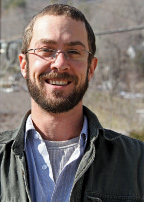
Rory McIlmoil, Appalachian Voices’ new energy policy director, is descended from West Virginia pioneers and feels a strong connection to the Appalachian mountains.
The Southeast possesses some of the greatest resources for making energy use more efficient, and Appalachian Voices has a plan to help unleash that potential.
This spring, we are launching a new program focused on promoting energy savings and reducing the use of coal-fired power in rural Appalachia and the Southeast. Rory McIlmoil, a long-time advocate for Appalachia with a background in environmental science and policy, is joining the Appalachian Voices team to lead our Energy Savings for Appalachia program.
“I’m excited to join Appalachian Voices to help kickstart the energy efficiency industry in Appalachia as a way to develop new economic opportunities for the Southeast, something that state and federal leaders have not focused on,” says Rory. “At the same time, this work will help residents protect their communities, health, and the environment by reducing demand for coal-fired electricity.”
Rory interned with Appalachian Voices in 2007, and has spent the past five years heading the energy program at the West Virginia-based environmental consulting firm Downstream Strategies. He will be working closely with our North Carolina, Tennessee and Virginia programs to educate electric cooperatives (member-owned utilities) and their customers on the multiple economic and environmental benefits that saving energy can have.
“Appalachian Voices has crafted a common-sense, strategic plan to reduce residential electricity demand, and therefore electric bills, and to accelerate the growth of an energy efficiency services industry in Appalachia,” says Director of Programs Dr. Matt Wasson. “Rory’s knowledge of the science of energy issues in Appalachia and his in-depth analysis of economics data give him an edge in understanding how we can advance these solutions.”
“Very few financing programs exist for electric co-op members in our region,” says Matt. “In addition to grassroots outreach, one of our goals will be to help develop and build public support for state and federal energy savings and clean energy policies.”
One of the program’s first goals will be to launch an online Energy Savings Action Center to provide residents with information about making their home more efficient and their electric bills cheaper. The site will point consumers to programs offered by their electric provider, and connect them with small businesses that offer energy audits, weatherization and other services that result in savings on electric bills while supporting a clean, local economy.
The action center will also track how Appalachia’s congressional representatives vote on clean energy bills and will help citizens send messages to their elected officials and hold them accountable.
“Building these relationships is critical for helping communities develop forward-thinking solutions at a time when politicians seem to be looking backwards,” Rory says. “Joining the terrific staff at Appalachian Voices to lead the new energy savings program is a great opportunity and I’m excited to be a part of such a progressive organization.”
Rory received his B.S. in Earth and Environmental Science from Furman University and a master’s in Global Environmental Policy from American University. It was in graduate school that he learned about the devastation of mountaintop removal coal mining and coal’s impact on citizens throughout the Southeast. “As I became more aware of those problems, I began thinking of ways I could help make a difference.”
In addition to his policy and research work with Downstream Strategies, Rory has served as the Campaign Director for the Coal River Wind Project and conducted climate change science through a U.S. Department of Energy and National Science Foundation research project.
A descendant of West Virginia pioneers, Rory lived throughout the Southeast before settling back in the Appalachian Mountains. He enjoys backpacking, beekeeping, growing his own food and woodworking.
“These are some of the oldest, most biologically diverse mountains in the world,” Rory says. “When you have lived in Appalachia and have learned how these communities are connected to the mountains, you become part of it and you can’t do anything else but try to protect it.”
To contact Rory and our new Energy Savings in Appalachia program, visit appvoices.org/energysavings or email [email protected].
Related Articles
Latest News
More Stories

Signs of Life
In the Nantahala National Forest, a team of biologists spotted Indiana bats, an endangered species that hasn’t been seen in North Carolina for the last 11 years.

‘First Line of Defense’
During Hurricane Helene and its aftermath, rural fire departments and other first responder hubs played critical roles in keeping their communities safe, even without power and cut off from outside support for days or weeks after the storm. Two years later, plenty of work remains to ensure these hubs have the resources they need to operate day to day and be ready when emergencies or natural disasters strike.

The Rocky Road — and Bridge — to Recovery
Hurricane Helene is estimated to have damaged nearly 7,000 private roads and bridges in Western North Carolina. Two years later, many restoration projects are complete, but the journey hasn’t been easy — and isn’t over for others.
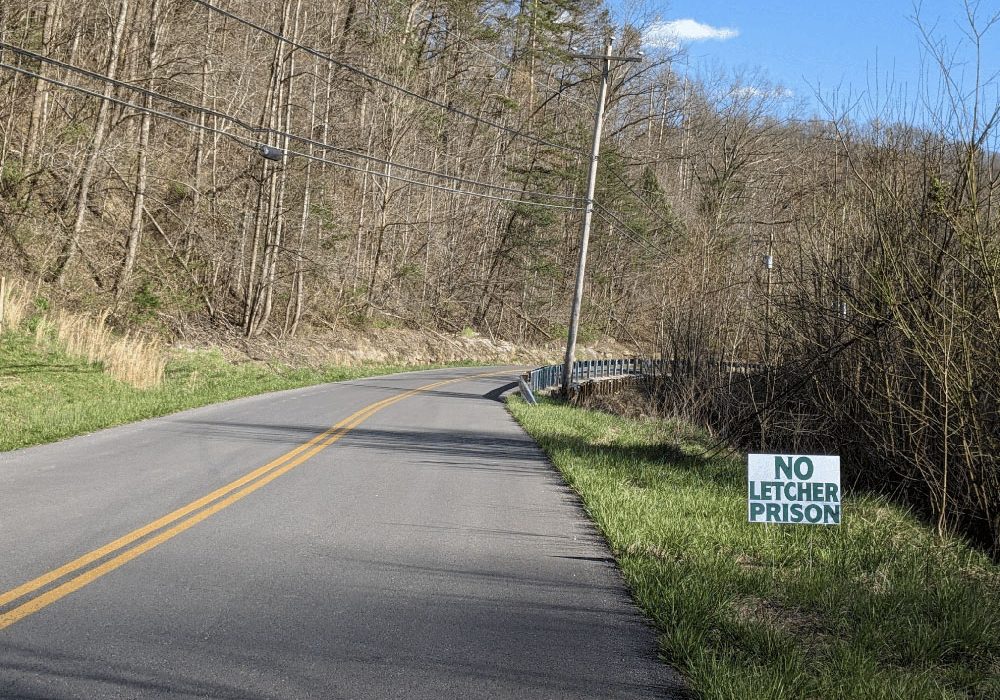
After 20 Years, Letcher County Prison Proposal Is Still Alive, Though Obstacles Remain
A $605 million proposal for a federal prison on a former strip mine site in Letcher County, Kentucky, championed by U.S. Rep. Hal Rogers, refuses to die, despite local opposition, a lack of support from the executive branch and numerous other obstacles.
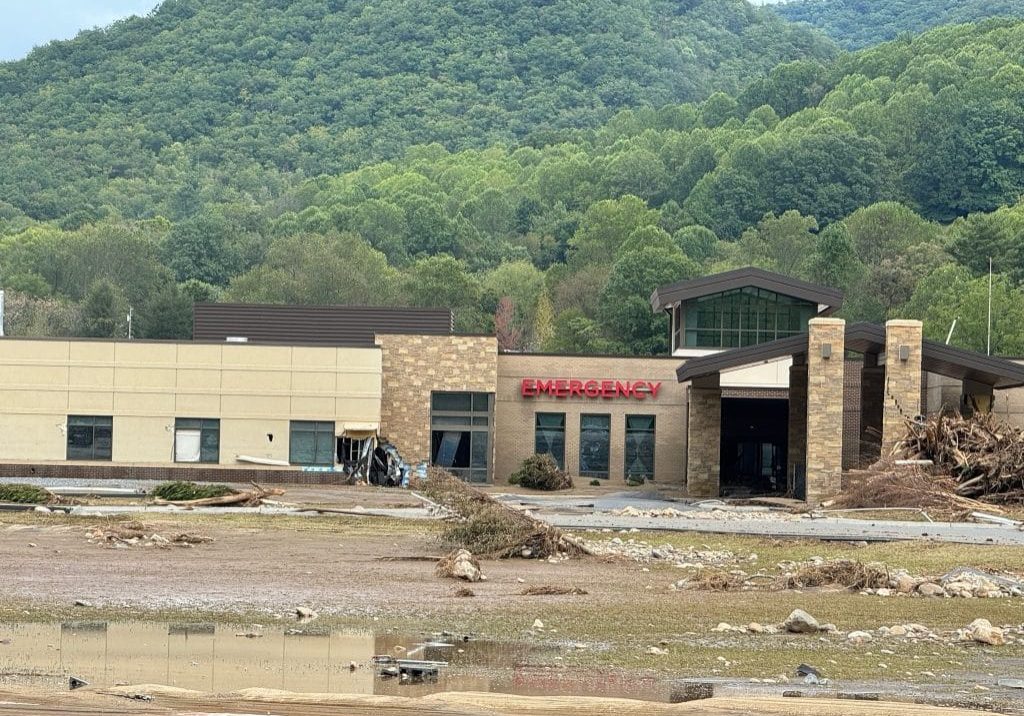
The Washout and Rebuild
For nearly two years, residents of Unicoi County, Tennessee, have had to make do without a hospital after Hurricane Helene destroyed the rural hospital. Ballad Health, which owns the hospital, broke ground on a new location — in another floodplain — in August 2026.

The Shenandoah Salamander
The Shenandoah salamander is a woodland salamander, which has adapted to life at higher elevations away from water. This sparkling rarity lives among the dry leaves, cracked logs, and stony hillocks on the highest peaks of Shenandoah National Park.

Leave a comment
Your email address will not be published. Required fields are marked *
Leave a Comment