

The Evening Hour: Painting a Gripping Picture of a Gritty Place
Review by Paige Campbell

The Evening Hour by Carter Sickels.
Carter Sickels’ debut novel “The Evening Hour” is a study in contradictions, many rooted deeply in its Appalachian setting. The town of Dove Creek is a remote southern West Virginia community cloaked in the same desperate, static smallness that often characterizes the Appalachia of literature. At the same time, the setting is a dynamic one that fuels the plot in fundamental ways.
Sickels begins by exploring the age-old theme of Appalachian poverty — and the people driven to flee it — with an ear for dialect and great sensitivity to the nuanced relationships between neighbors and kin. The book follows Cole, a young nursing home aide caught up in illegal prescription drug trade, whose character is developed through many such relationships: the fire-and-brimstone grandparents, the pill-popping girlfriend, the co-worker whose position as a nurse is one Cole quietly aspires to.
But the relationships that loom largest over Cole — and the readers — are ones from his past: the mother who skipped town when Cole was a baby, the childhood friend whose intense place in Cole’s life seems to have both shaped and shaken him.
The cast of characters is a large and ambitious one, and serves as the lens through which we are able to comprehend both Cole’s devotion to this place and his simultaneous impulse to leave it behind. Yet some interactions beg for more (and more richly developed) voices. When a flood lays waste to part of the community, further dialogue might have spoken more directly to the depth and variety of human responses to such tragedies, so familiar in this flood-prone region.
Still, Sickels succeeds in creating a protagonist with a sturdy moral framework but patently immoral habits, who strokes old folks’ foreheads before cleaning out their jewelry boxes and medicine cabinets, who constantly lets people down and whom we root for anyway. The ambiguity surrounding each character rings true, if occasionally a touch incomplete.
“The Evening Hour’s” geographic setting is also invoked through the ominous backdrop of mountaintop removal coal mining. When a local activist takes Cole to see how the practice has transformed once-familiar places, Sickels takes us right along, meticulously detailing the starkness that remains. He also takes us up and down the hollers that are devastated by a related dam failure.
These visuals are where Sickels’ writing shines the brightest, even (perhaps especially) when he’s describing something bleak. It’s all there: the moonscape of the mountaintop removal site, the debris hanging from tree branches after floodwaters recede. Through Cole’s memory, we also see the way the mountain, with its quiet swimming hole and lush forests and welcoming front porches, once was.
This contrast is one of many that make “The Evening Hour,” especially its setting, compelling. Ultimately, our understanding of Cole is so intertwined with Cole’s understanding of his surroundings, that we — and he — must face them head-on before beginning to contemplate what might come next.
Related Articles
Latest News
More Stories

Signs of Life
In the Nantahala National Forest, a team of biologists spotted Indiana bats, an endangered species that hasn’t been seen in North Carolina for the last 11 years.

‘First Line of Defense’
During Hurricane Helene and its aftermath, rural fire departments and other first responder hubs played critical roles in keeping their communities safe, even without power and cut off from outside support for days or weeks after the storm. Two years later, plenty of work remains to ensure these hubs have the resources they need to operate day to day and be ready when emergencies or natural disasters strike.

The Rocky Road — and Bridge — to Recovery
Hurricane Helene is estimated to have damaged nearly 7,000 private roads and bridges in Western North Carolina. Two years later, many restoration projects are complete, but the journey hasn’t been easy — and isn’t over for others.
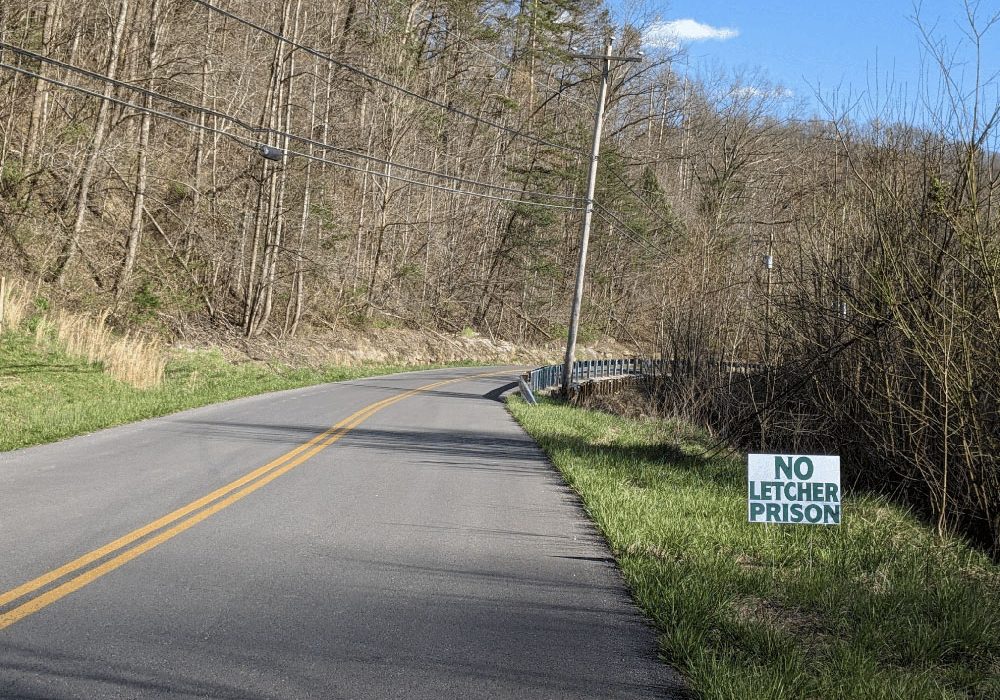
After 20 Years, Letcher County Prison Proposal Is Still Alive, Though Obstacles Remain
A $605 million proposal for a federal prison on a former strip mine site in Letcher County, Kentucky, championed by U.S. Rep. Hal Rogers, refuses to die, despite local opposition, a lack of support from the executive branch and numerous other obstacles.
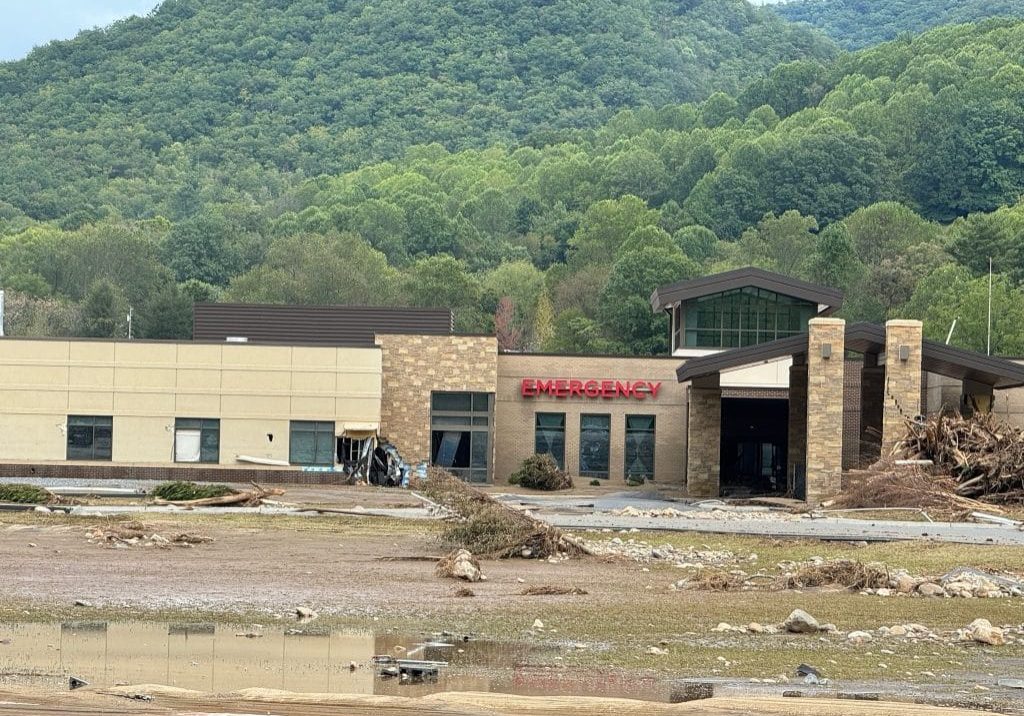
The Washout and Rebuild
For nearly two years, residents of Unicoi County, Tennessee, have had to make do without a hospital after Hurricane Helene destroyed the rural hospital. Ballad Health, which owns the hospital, broke ground on a new location — in another floodplain — in August 2026.

The Shenandoah Salamander
The Shenandoah salamander is a woodland salamander, which has adapted to life at higher elevations away from water. This sparkling rarity lives among the dry leaves, cracked logs, and stony hillocks on the highest peaks of Shenandoah National Park.

Leave a comment
Your email address will not be published. Required fields are marked *
Leave a Comment