

AV and iLoveMountains Launch No More Excuses Campaign

Appalachian Voices, in conjunction with iLoveMountains.org, recently launched a two-pronged campaign to solicit reelected President Obama to end the devastating practice of mountaintop removal coal mining.
With our new report summarizing the human cost of mountaintop removal coal mining and a nationwide campaign through iLoveMountains.org, we are telling the Obama Administration, “No More Excuses — End Mountaintop Removal Now.”
Since the president took office, more than 20 peer-reviewed studies have concluded that mountaintop removal contributes to significantly higher rates of birth defects, cancer, and cardiovascular and respiratory diseases among individuals in the region where the destructive form of mining occurs.
The No More Excuses campaign features children who are already campaigning against mountaintop removal through various groups, including some children that have lived in or near areas impacted by mountaintop removal.
Shortly after winning the election in 2008, President Obama said: “Science holds the key to our survival as a planet and our security and prosperity as a nation… It’s about listening to what our scientists have to say, even when it’s inconvenient – especially when it’s inconvenient.” During his first administration, the U.S. Environmental Protection Agency made steps to curtail the rubber-stamping of permits, which made it more difficult for companies to obtain mountaintop removal mining approval, but the measure was struck down by a federal court.
Our special report, “Mapping The Human Cost of Mountaintop Removal,” is also a companion piece to an interactive mapping page unveiled last spring on iLoveMountains.org and designed by Appalachian Voices’ technology team. To read the report, visit appvoices.org/the-human-cost.
Please join us in telling the Obama Administration that there are no excuses to legitimize the destruction of the Appalachian Mountains: visit ilovemountains.org/no-more-excuses to send a letter today.
Related Articles
Latest News
More Stories

Halloween Approaches, and Night School Is in Session
The House of Art in Bluefield, West Virginia, looks like a haunted tower, making it the perfect location for its sixth annual haunt event: Night School. The Night School will be open every Friday and Saturday night through Oct. 31.

‘The Most Perfect Act of Love’
After losing its rural pride celebration, hundreds of people attended the second annual Affirming Sumner Pride celebration on a 24-acre farm dubbed “Fruity Farm” in Bethpage, Sumner County, Tennessee.

Signs of Life
In the Nantahala National Forest, a team of biologists spotted Indiana bats, an endangered species that hasn’t been seen in North Carolina for the last 11 years.

‘First Line of Defense’
During Hurricane Helene and its aftermath, rural fire departments and other first responder hubs played critical roles in keeping their communities safe, even without power and cut off from outside support for days or weeks after the storm. Two years later, plenty of work remains to ensure these hubs have the resources they need to operate day to day and be ready when emergencies or natural disasters strike.

The Rocky Road — and Bridge — to Recovery
Hurricane Helene is estimated to have damaged nearly 7,000 private roads and bridges in Western North Carolina. Two years later, many restoration projects are complete, but the journey hasn’t been easy — and isn’t over for others.
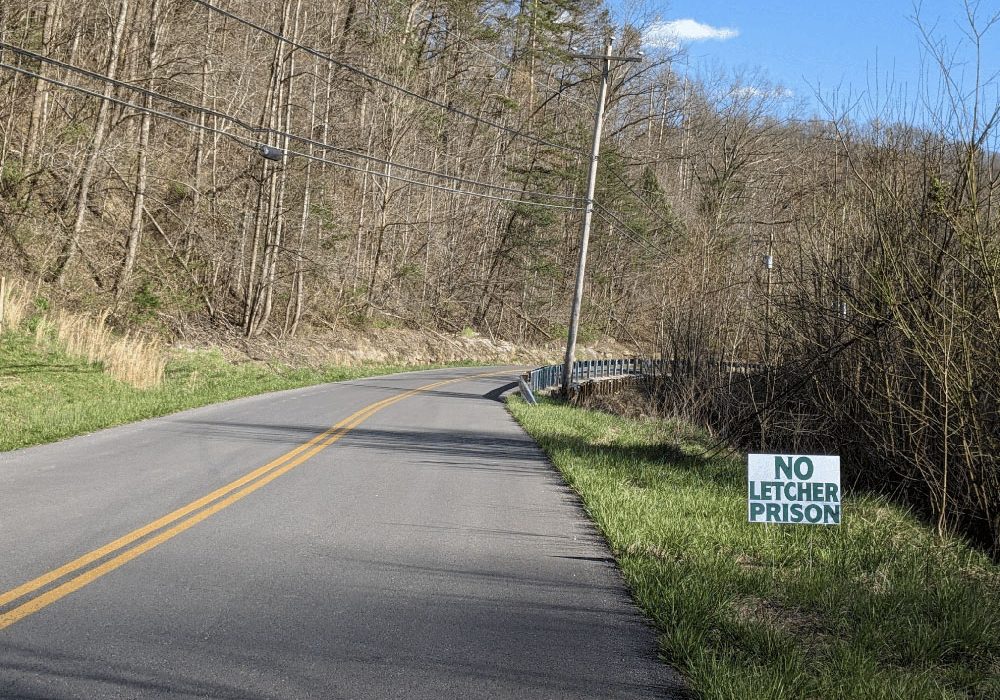
After 20 Years, Letcher County Prison Proposal Is Still Alive, Though Obstacles Remain
A $605 million proposal for a federal prison on a former strip mine site in Letcher County, Kentucky, championed by U.S. Rep. Hal Rogers, refuses to die, despite local opposition, a lack of support from the executive branch and numerous other obstacles.

Leave a comment
Your email address will not be published. Required fields are marked *
Leave a Comment