

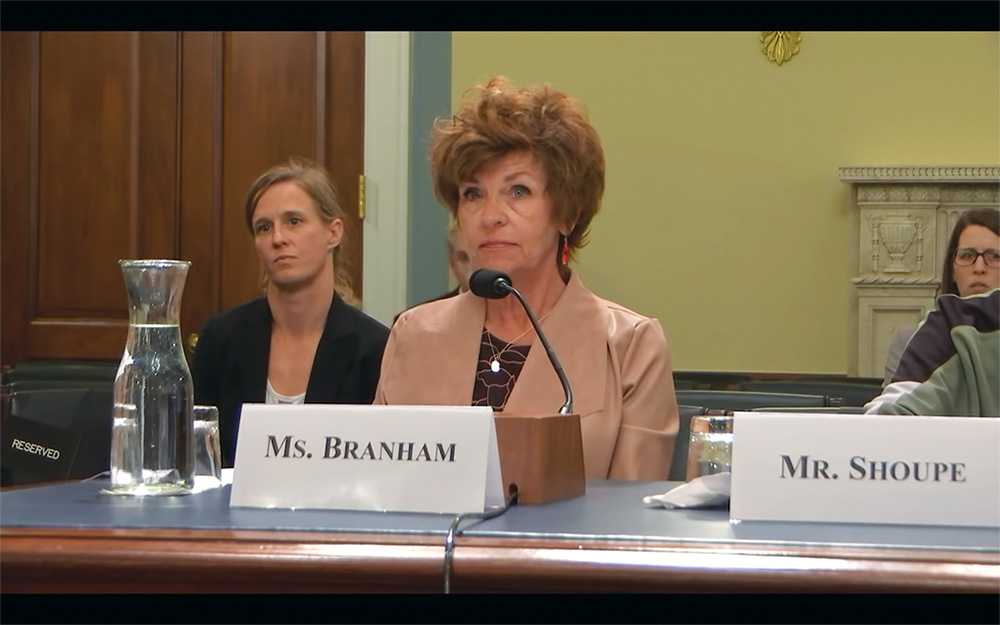
West Virginia resident Donna Branham told members of Congress about her experience living near a surface coal mine. “The dust created by blasting was so intense sometimes you could hardly see to drive,” she said. “Dust got into our houses and cars. When you blew your nose, coal soot would be on the tissue.” Public domain photo
Earlier in April, Rep. John Yarmuth (D-Ky.) introduced a bill to place a moratorium on mountaintop removal permitting until the government conducted health studies. Industry advocates labeled the bill as over-regulation. At the hearing, Rep. Yarmuth stated that no federal health study has examined mountaintop removal mining’s effect on nearby communities. He noted that the Trump administration halted one such study in 2017.
Donna Branham, a lifetime resident of Mingo County, W.V.a, lives roughly 1,500 feet from a 1,300-acre strip mine.
“During my job as a nurse, I would see the adverse health effects caused by irresponsible mining,” she told the committee. “Retired miners gasping for every breath, painful joints, increased cancer rates.”
Carl Shoupe, a former coal miner and a member of nonprofit grassroots community organization Kentuckians For The Commonwealth, lives in Benham, Ky. Shoupe and three other area residents are petitioning to the state to declare 10,000 acres surrounding the Kentucky towns of Benham and Lynch as unsuitable for mining.
“As we speak, a coal company is seeking a permit to strip mine the ridge behind my home,” Shoupe said during his testimony. “They plan to go up the entire valley. If that happens, it will endanger our health, safety, peace of mind, property, tourism economy, drinking water, and hope for the future.”
Related Articles
Latest News
More Stories

Halloween Approaches, and Night School Is in Session
The House of Art in Bluefield, West Virginia, looks like a haunted tower, making it the perfect location for its sixth annual haunt event: Night School. The Night School will be open every Friday and Saturday night through Oct. 31.
‘The Most Perfect Act of Love’
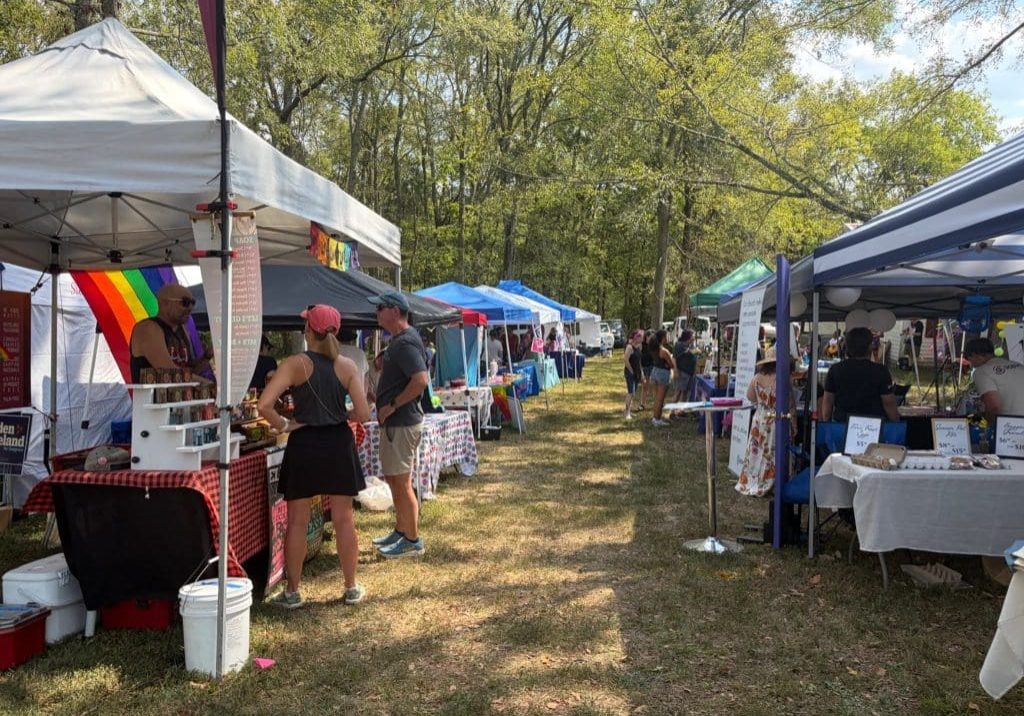
After losing its rural pride celebration, hundreds of people attended the second annual Affirming Sumner Pride celebration on a 24-acre farm dubbed “Fruity Farm” in Bethpage, Sumner County, Tennessee.
Signs of Life
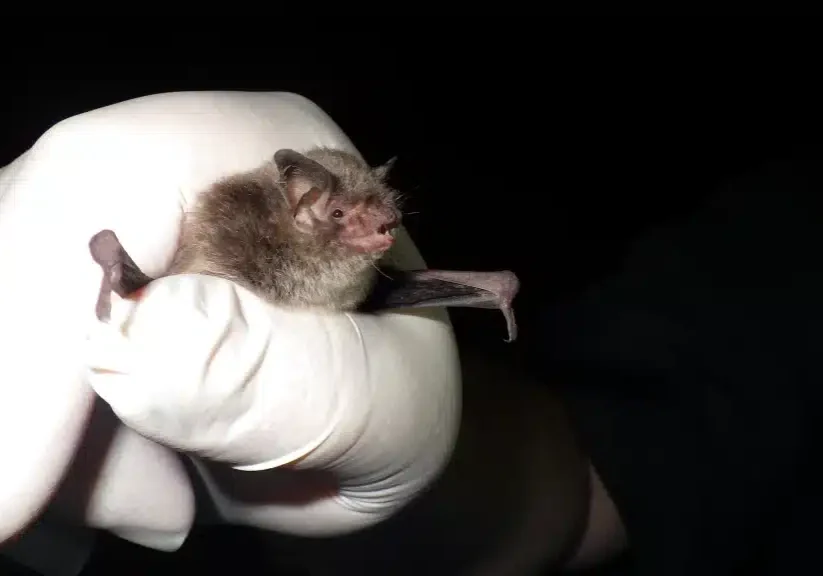
In the Nantahala National Forest, a team of biologists spotted Indiana bats, an endangered species that hasn’t been seen in North Carolina for the last 11 years.

‘First Line of Defense’
During Hurricane Helene and its aftermath, rural fire departments and other first responder hubs played critical roles in keeping their communities safe, even without power and cut off from outside support for days or weeks after the storm. Two years later, plenty of work remains to ensure these hubs have the resources they need to operate day to day and be ready when emergencies or natural disasters strike.

The Rocky Road — and Bridge — to Recovery
Hurricane Helene is estimated to have damaged nearly 7,000 private roads and bridges in Western North Carolina. Two years later, many restoration projects are complete, but the journey hasn’t been easy — and isn’t over for others.
After 20 Years, Letcher County Prison Proposal Is Still Alive, Though Obstacles Remain
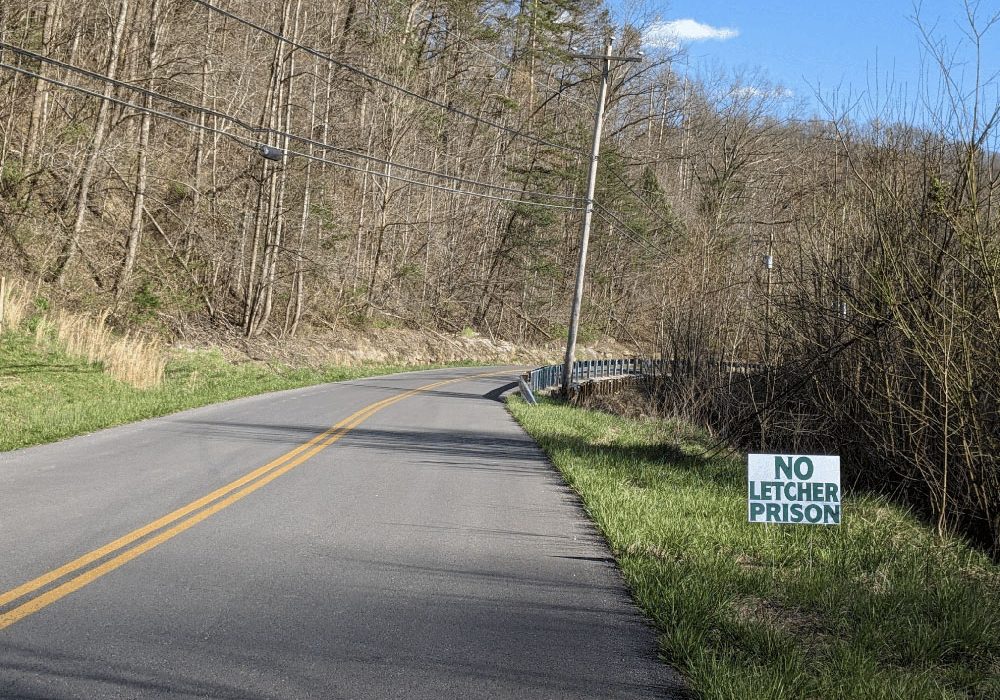
A $605 million proposal for a federal prison on a former strip mine site in Letcher County, Kentucky, championed by U.S. Rep. Hal Rogers, refuses to die, despite local opposition, a lack of support from the executive branch and numerous other obstacles.

Leave a comment
Your email address will not be published. Required fields are marked *
Leave a Comment