

by Jessica Kennedy
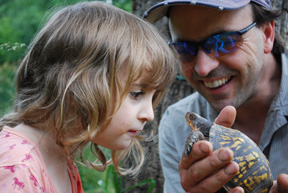
A young naturalist gets up close and personal with a turtle. Photo by Carolyn Ward
There is a growing distance between children and nature, says Jason Urroz, director of Kids In Parks, an innovative program working to get children outside, active and connected to nature near their communities.
A joint effort between the Blue Ridge Parkway Foundation and the Blue Cross and Blue Shield of North Carolina Foundation, Kids In Parks seeks to combat the nationwide trend of children living sedentary lifestyles.
According to the program’s director, it’s natural for people to be outside and active. “It’s just a part of being a human really,” Urroz says. “From the earliest days, people were connected to nature because they had to be. As we’ve become more electronic … people are less connected to nature, especially kids.”
At the core of Kids In Parks is its Trails Ridges and Active Caring Kids, or TRACK, program. The Kids In Parks website provides links to maps and brochures for each of the 10 participating trails. Children and families can download the trail materials to help guide their hikes. The brochures range from plant and animal guides to the relationships found in nature.
“Our goal is to create a network of trails that will link communities to the Parkway, link the Parkway to communities, and at the same time connect the kids from these communities to the Parkway,” Urroz says.
But the program doesn’t end when the trail does. Children are invited to fill out an online survey about their experience and to register their completion of each trail. Registering one trail online earns a bandana, two trails earns a nature journal, and three earns a backpack. Children receive a golf disc of their own when they complete the disc golf course.
Urroz says the need for an incentive wears off after several hikes and children begin hiking because they enjoy it. Getting children to enjoy being active is the first step to a healthy lifestyle.
In addition to the physical benefits from exercise, children also gain better attention spans and score better on tests, Urroz says. “We know that kids feel better about themselves if they play outdoors,” he says.
It’s no secret that kids are now spending more time indoors. A Kaiser Family Foundation study published in 2010 showed that children ages 8 to 18 spend an average of 7 hours and 38 minutes using entertainment media in a typical day.
Kids In Parks is working to change this statistic. Roughly 500 children have already registered their hikes through the program, Urroz says. “About 120 of them have come back for a second adventure. Some have come back for as many as six adventures.”
Urroz says the program is rapidly expanding. There are currently 10 trails in the program and one disc golf course, most of which are located along the Parkway in North Carolina and Virginia. Kids In Parks serves as a model to other park organizations across the country to get children active outside.
“Before the end of June, we’ll have 26 trails, so the program is going to more than double in size,” Urroz says.
Related Articles
Latest News
More Stories
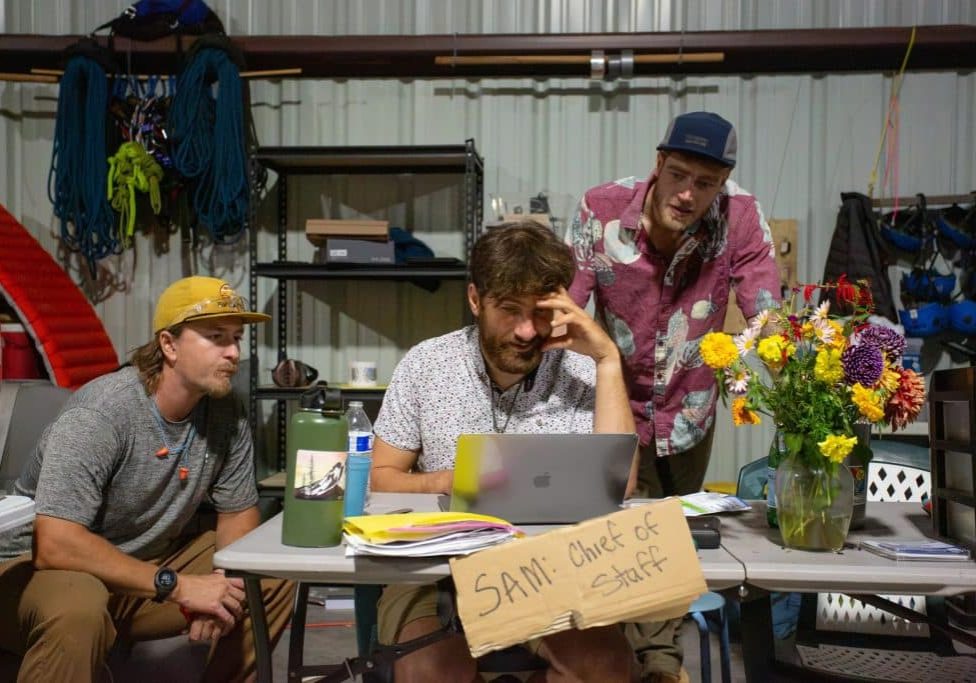
Neighbors Help Neighbors
A photo essay that celebrates the volunteer spirit of the grassroots group Hurricane Helene WNC and speaks to the resourcefulness, collaboration and hard work embodied by thousands and thousands of volunteers, first responders and aid workers across the region after Hurricane Helene.

Halloween Approaches, and Night School Is in Session
The House of Art in Bluefield, West Virginia, looks like a haunted tower, making it the perfect location for its sixth annual haunt event: Night School. The Night School will be open every Friday and Saturday night through Oct. 31.
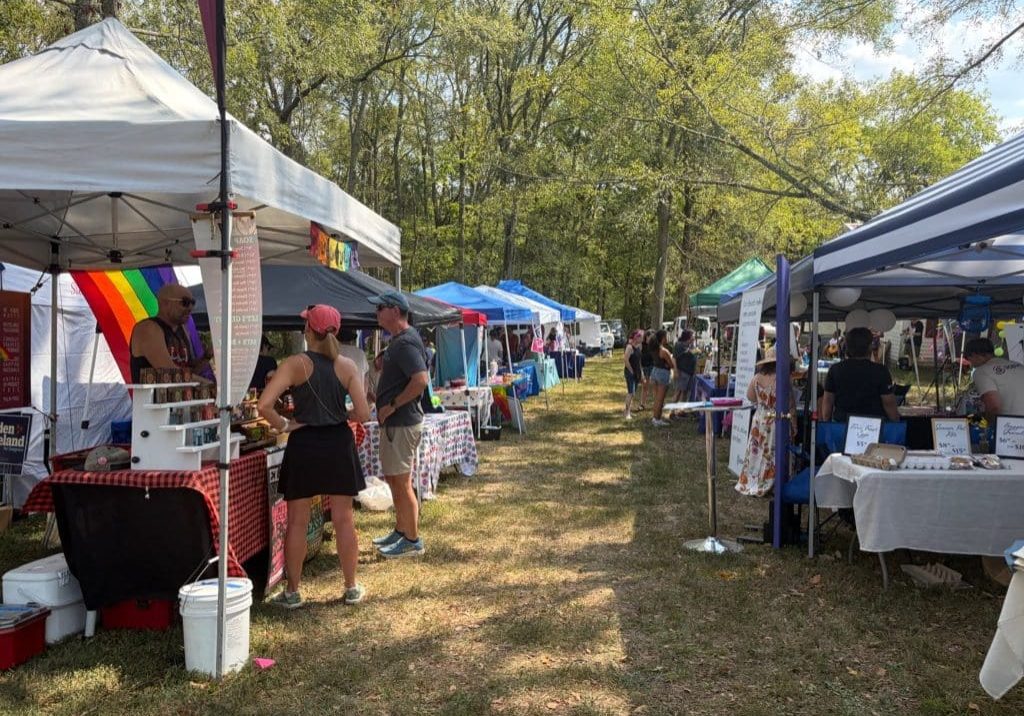
‘The Most Perfect Act of Love’
Hundreds of people attended the second annual Affirming Sumner Pride celebration on a 24-acre farm dubbed “Fruity Farm” in Bethpage, Sumner County, Tennessee.
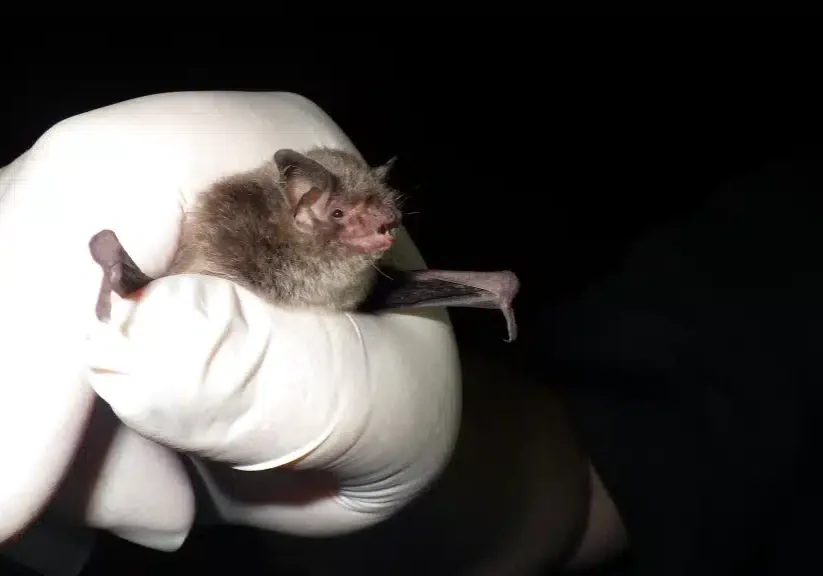
Signs of Life: Endangered Bats Found in Nantahala for First Time in More Than a Decade
In the Nantahala National Forest, a team of biologists spotted Indiana bats, an endangered species that hasn’t been seen in North Carolina for the last 11 years.
‘First Line of Defense’
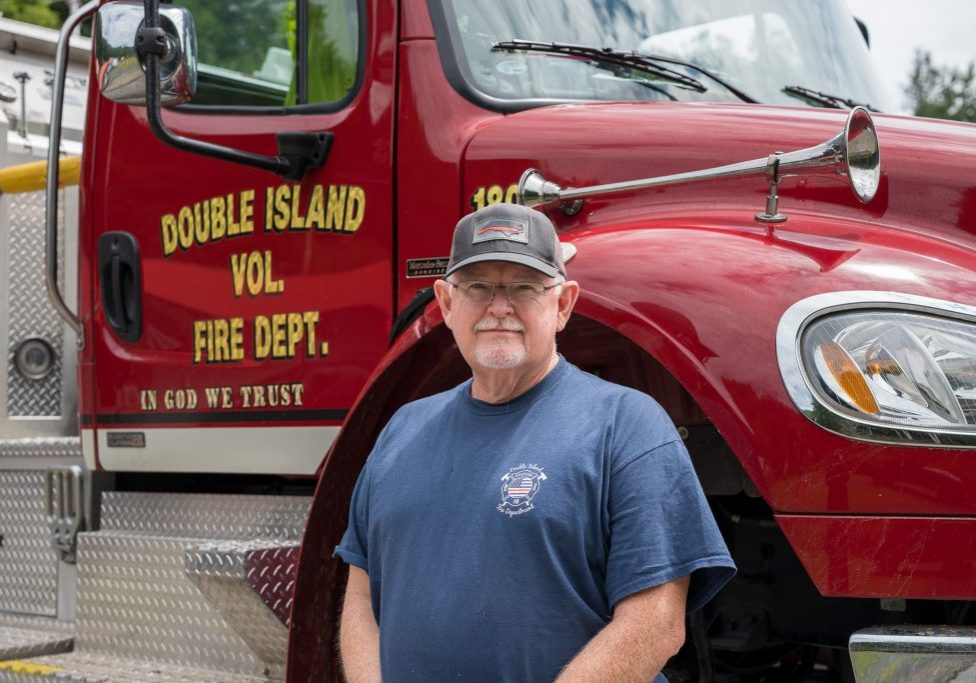
During Hurricane Helene and its aftermath, rural fire departments and other first responder hubs played critical roles in keeping their communities safe, even without power and cut off from outside support for days or weeks after the storm. Two years later, plenty of work remains to ensure these hubs have the resources they need to operate day to day and be ready when emergencies or natural disasters strike.
The Rocky Road — and Bridge — to Recovery
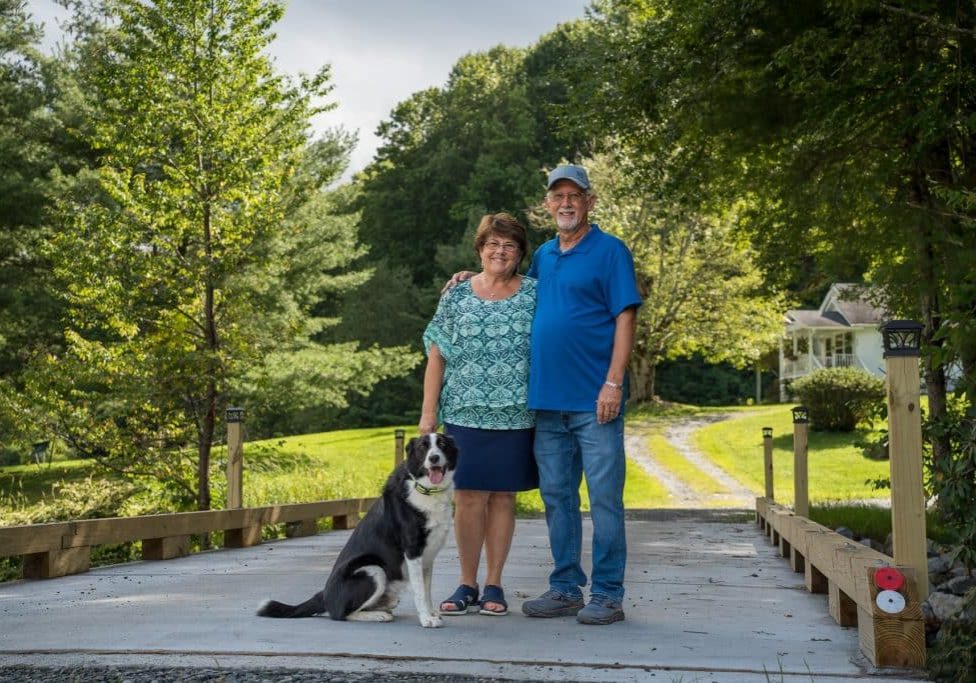
Hurricane Helene is estimated to have damaged nearly 7,000 private roads and bridges in Western North Carolina. Two years later, many restoration projects are complete, but the journey hasn’t been easy — and isn’t over for others.

Leave a comment
Your email address will not be published. Required fields are marked *
Leave a Comment