

Strong Support at Wind Stakeholders Meeting
Appalachian Voices recently partnered with the Southern Alliance for Clean Energy and Catawba College Center for the Environment to host a successful North Carolina Wind Energy Development Stakeholders meeting.
Participants came to the meeting to address concerns about developing wind energy in North Carolina. They represented groups from a variety of interests, including, landowners, county government representatives, state regulatory agencies, members of rural county and development boards, local renewable energy initiatives, Blue Ridge Parkway, and Appalachian Trail Conservancy.
“At Appalachian Voices, we believe a diverse group of interested citizens in North Carolina can benefit from responsible commercial wind development across the state,” said Austin Hall, Appalachian Voices’ North Carolina field organizer.
The meeting culminated in the drafting of a statement of action that provided a guiding set of principles regarding wind energy. The document stresses the economic vitality of building a sustainable, renewable energy future for North Carolina. It also emphasizes the need for responsible development.
According to the resolution, “…North Carolina has important scenic, cultural, historic, and ecological resources that should be protected and preserved as the state develops its wind resources.”
Seven organizations have already agreed to utilize the resolution as a tool to continue building efforts in support of responsible wind energy development in Western North Carolina. These organizations include Appalachian Voices, Southern Alliance for Clean Energy (SACE), Appalachian Institute for Renewable Energy (AIRE), Acciona, Small Wind Certification Council, World’s Edge Renewables, and American Energy System (AES).
The document is a foundation for sharing information about wind opportunities and environmental protections with our state political leaders, interested parties and decision-makers, and the media.
For more information, contact Austin Hall at [email protected] or call 828-262-1500.
Related Articles
Latest News
More Stories

Halloween Approaches, and Night School Is in Session
The House of Art in Bluefield, West Virginia, looks like a haunted tower, making it the perfect location for its sixth annual haunt event: Night School. The Night School will be open every Friday and Saturday night through Oct. 31.
‘The Most Perfect Act of Love’
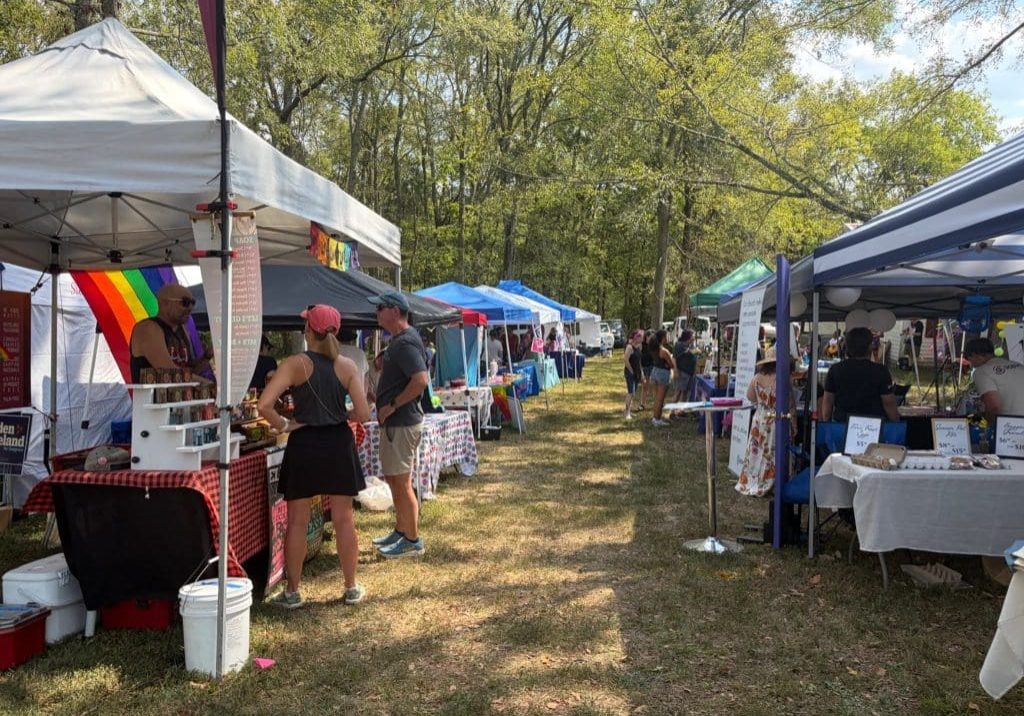
After losing its rural pride celebration, hundreds of people attended the second annual Affirming Sumner Pride celebration on a 24-acre farm dubbed “Fruity Farm” in Bethpage, Sumner County, Tennessee.
Signs of Life
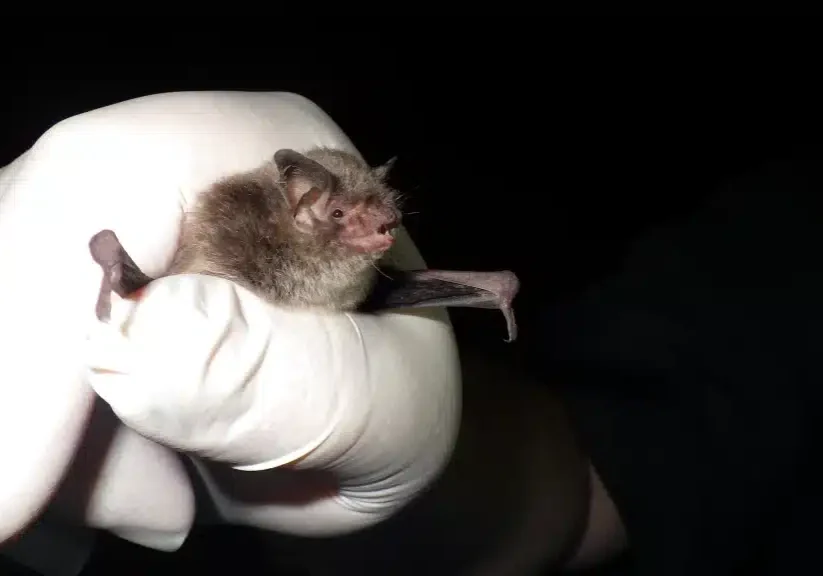
In the Nantahala National Forest, a team of biologists spotted Indiana bats, an endangered species that hasn’t been seen in North Carolina for the last 11 years.
‘First Line of Defense’
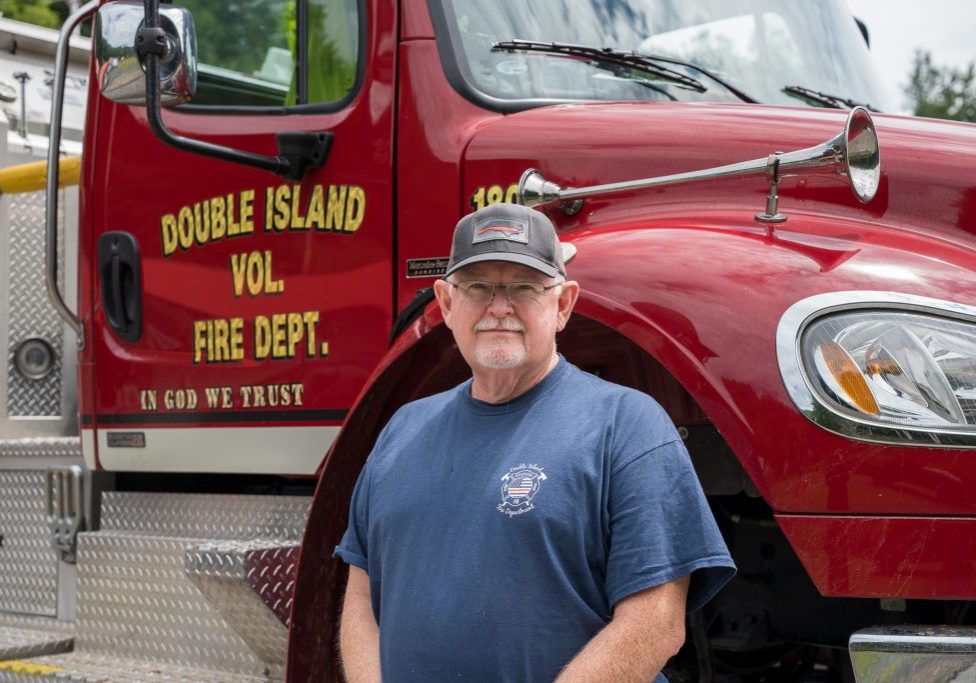
During Hurricane Helene and its aftermath, rural fire departments and other first responder hubs played critical roles in keeping their communities safe, even without power and cut off from outside support for days or weeks after the storm. Two years later, plenty of work remains to ensure these hubs have the resources they need to operate day to day and be ready when emergencies or natural disasters strike.
The Rocky Road — and Bridge — to Recovery
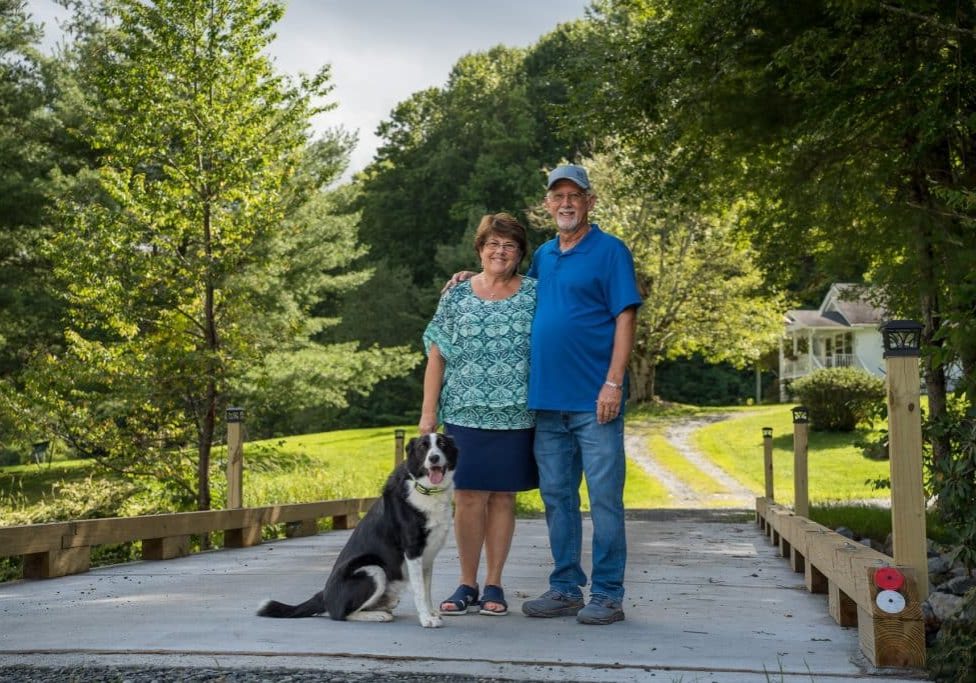
Hurricane Helene is estimated to have damaged nearly 7,000 private roads and bridges in Western North Carolina. Two years later, many restoration projects are complete, but the journey hasn’t been easy — and isn’t over for others.
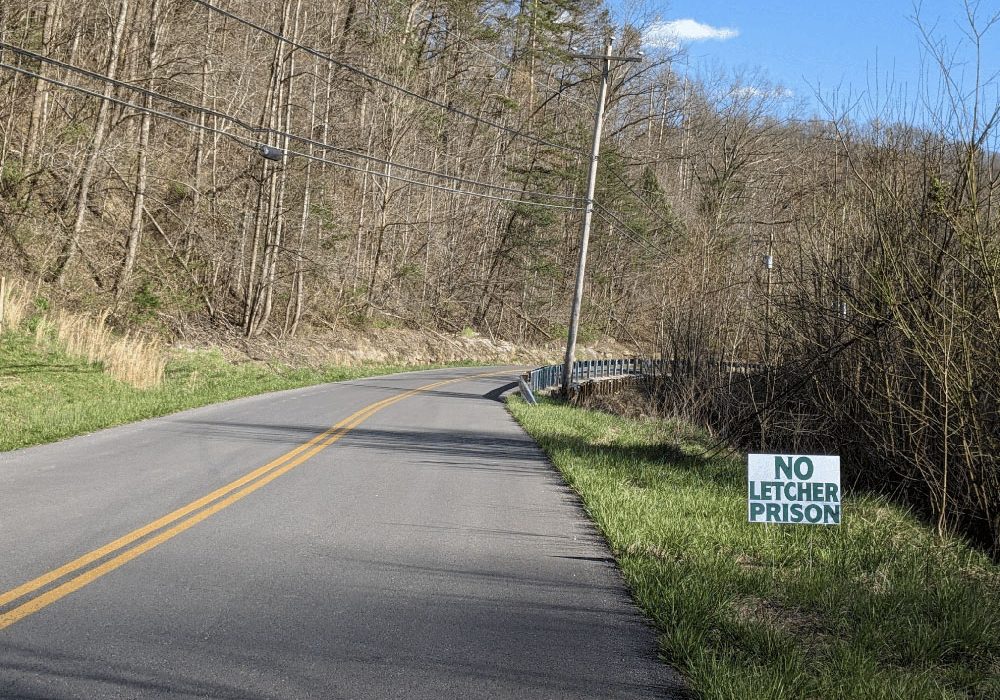
After 20 Years, Letcher County Prison Proposal Is Still Alive, Though Obstacles Remain
A $605 million proposal for a federal prison on a former strip mine site in Letcher County, Kentucky, championed by U.S. Rep. Hal Rogers, refuses to die, despite local opposition, a lack of support from the executive branch and numerous other obstacles.

Leave a comment
Your email address will not be published. Required fields are marked *
Leave a Comment