

WATER WARS OF THE SOUTH
Georgia, Alabama and Florida have been in court over the Chattahoochee River and the river’s Lake Lanier for decades. Water supply for Atlanta is the upstream issue; enough water for fisheries and shellfish, particularly in the Apalachicola Bay, is the downstream issue for Florida and Alabama. A federal court ruled in July that Congress would have to get involved in negotiating a deal within three years. Environmental attorneys said this was a “resounding wake-up call” for Georgia.
Georgia and Tennessee have been in court over the state boundary line. Apparently the original line was in error by about a mile, and that kept Georgia’s border away from the Tennessee River. In the unlikely event that the 192-year old error were to be corrected, Georgia would be able to draw water from the Tennessee.
North Carolina and South Carolina are in a lawsuit over a 10 million gallon per day transfer of water from the Catawba and Yadkin rivers to the Rocky River basin. North Carolina approved the transfer to accommodate development in the area east of Charlotte.
South Carolina is fending off a suit by the Southern Enviornmental Law Center over re-licensing 13 hydroelectric stations owned by Duke Energy. SELC says Duke’s plan would reduce flows in the Catawba and Wateree rivers to a level “insufficient to maintain water quality and habitat for fish and other species.”
The North Carolina General Assembly is considering a bill creating the Yadkin River Trust, which would allow the state to acquire and operate the river’s dams and recreational lakes rather than Alcoa Power Generating Inc. Alcoa has held federal license to control the river for the past 50 years.
Related Articles
Latest News
More Stories

Halloween Approaches, and Night School Is in Session
The House of Art in Bluefield, West Virginia, looks like a haunted tower, making it the perfect location for its sixth annual haunt event: Night School. The Night School will be open every Friday and Saturday night through Oct. 31.
‘The Most Perfect Act of Love’
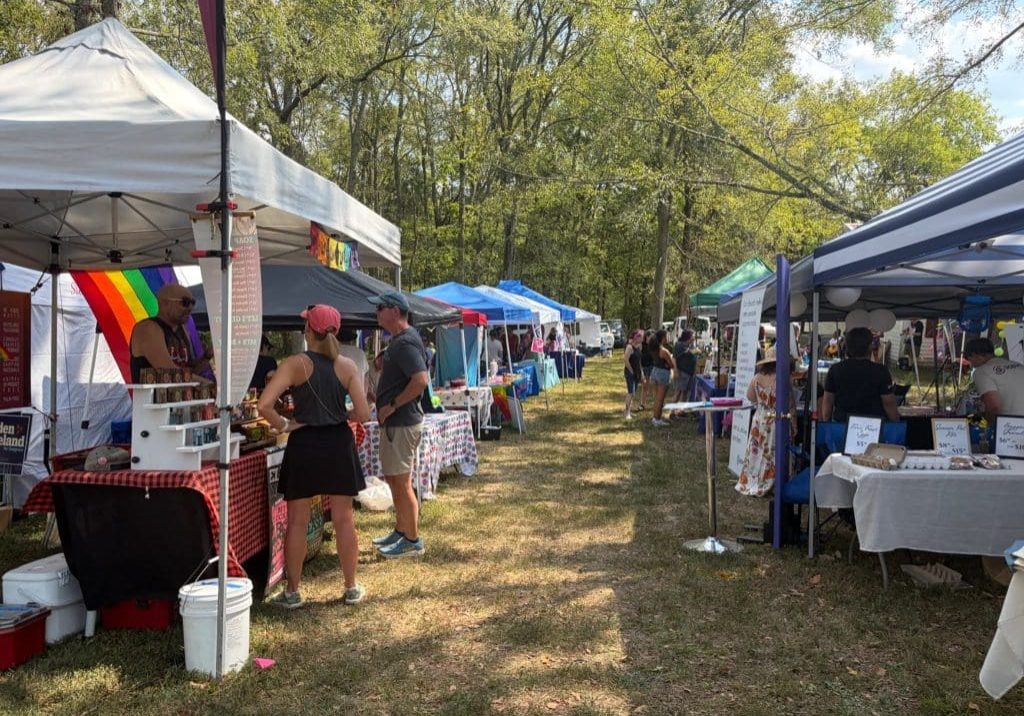
After losing its rural pride celebration, hundreds of people attended the second annual Affirming Sumner Pride celebration on a 24-acre farm dubbed “Fruity Farm” in Bethpage, Sumner County, Tennessee.

Signs of Life
In the Nantahala National Forest, a team of biologists spotted Indiana bats, an endangered species that hasn’t been seen in North Carolina for the last 11 years.

‘First Line of Defense’
During Hurricane Helene and its aftermath, rural fire departments and other first responder hubs played critical roles in keeping their communities safe, even without power and cut off from outside support for days or weeks after the storm. Two years later, plenty of work remains to ensure these hubs have the resources they need to operate day to day and be ready when emergencies or natural disasters strike.

The Rocky Road — and Bridge — to Recovery
Hurricane Helene is estimated to have damaged nearly 7,000 private roads and bridges in Western North Carolina. Two years later, many restoration projects are complete, but the journey hasn’t been easy — and isn’t over for others.
After 20 Years, Letcher County Prison Proposal Is Still Alive, Though Obstacles Remain
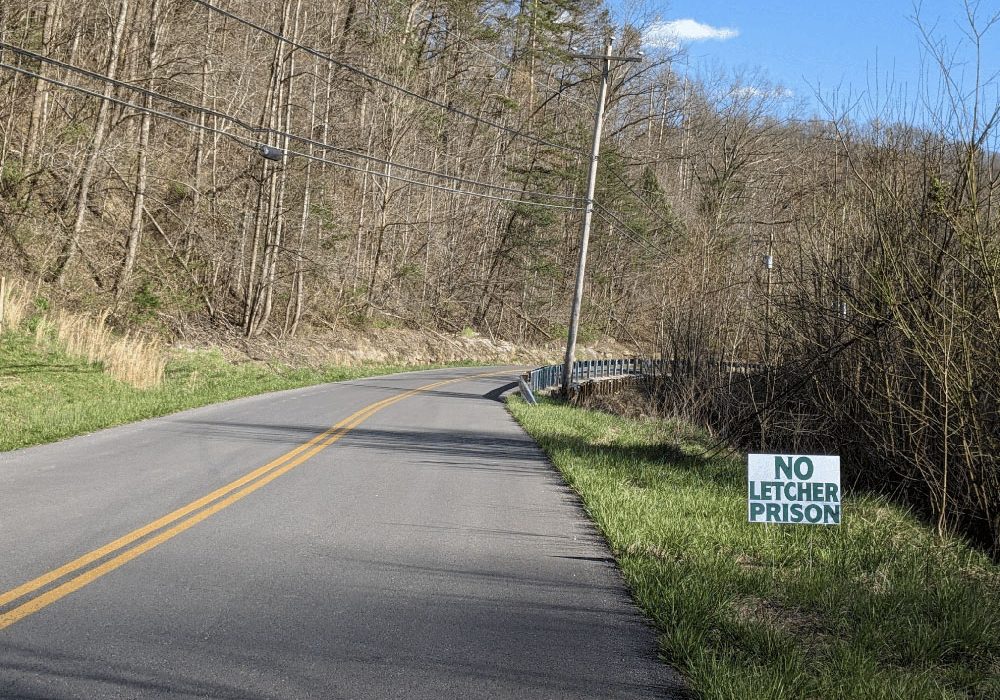
A $605 million proposal for a federal prison on a former strip mine site in Letcher County, Kentucky, championed by U.S. Rep. Hal Rogers, refuses to die, despite local opposition, a lack of support from the executive branch and numerous other obstacles.

Leave a comment
Your email address will not be published. Required fields are marked *
Leave a Comment