

Saving North Carolina, One Watt At A Time
By Austin Hall

Amid the growing discussion of energy use, global climate change and how to implement renewable energy, North Carolina state legislators and a coalition of grassroots organizations have proposed a measure that directly tackles the issue of using electricity efficiently in state.
North Carolina SAVE$ Energy is an initiative to create a statewide, independent energy efficiency program. The program’s goal is to lower electricity bills and keep the savings in the pockets of residential customers, especially those that fall into lower income categories.
Energy efficiency is widely accepted to be the most effective way to reduce energy usage and cut the cost of utility bills. Customers can ultimately save money on their utility bills and lower their demand for energy by auditing individual energy usage, weatherizing existing homes and businesses, and replacing inefficient appliances and incandescent light bulbs. In addition to saving the customers money, energy efficiency also significantly reduces the demand for the construction of costly coal-fired power plants.
“By using electricity efficiently and retrofitting our homes and businesses, we can lower utility bills, reduce our dependence on fossil fuels including mountaintop removal coal, create ‘green jobs,’ and combat global climate change—all the while saving money for North Carolina ratepayers,” said state Representative Pricey Harrison from Greensboro, co-sponsor of the initiative.
A critical element of the N.C. SAVE$ initiative is that the entire program will be administered by an independent non-profit organization rather than utility corporations such as Duke and Progress Energy. Because utility companies earn profit in the sale of electricity—the more they sell, the more they make—members of the N.C. SAVE$ coalition see a conflict of interest in utility companies becoming directly involved in the program.
The N.C. SAVE$ coalition is working with state legislators to pass the N.C. SAVE$ ENERGY bill (H.B. 1050) through the General Assembly this year. When passed, the bill will create North Carolina’s first independently run energy efficiency program. Currently the bill is before the committee on Energy and Energy Efficiency and will be heard in the legislative short session, which begins in May 2010.
Related Articles
Latest News
More Stories

Halloween Approaches, and Night School Is in Session
The House of Art in Bluefield, West Virginia, looks like a haunted tower, making it the perfect location for its sixth annual haunt event: Night School. The Night School will be open every Friday and Saturday night through Oct. 31.

‘The Most Perfect Act of Love’
After losing its rural pride celebration, hundreds of people attended the second annual Affirming Sumner Pride celebration on a 24-acre farm dubbed “Fruity Farm” in Bethpage, Sumner County, Tennessee.

Signs of Life
In the Nantahala National Forest, a team of biologists spotted Indiana bats, an endangered species that hasn’t been seen in North Carolina for the last 11 years.

‘First Line of Defense’
During Hurricane Helene and its aftermath, rural fire departments and other first responder hubs played critical roles in keeping their communities safe, even without power and cut off from outside support for days or weeks after the storm. Two years later, plenty of work remains to ensure these hubs have the resources they need to operate day to day and be ready when emergencies or natural disasters strike.

The Rocky Road — and Bridge — to Recovery
Hurricane Helene is estimated to have damaged nearly 7,000 private roads and bridges in Western North Carolina. Two years later, many restoration projects are complete, but the journey hasn’t been easy — and isn’t over for others.
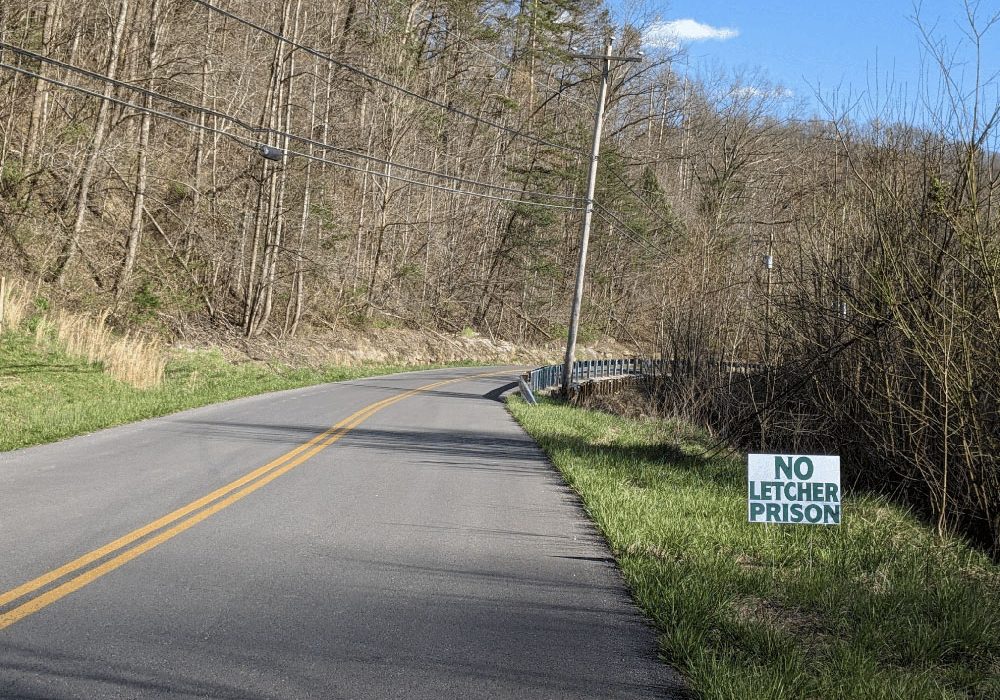
After 20 Years, Letcher County Prison Proposal Is Still Alive, Though Obstacles Remain
A $605 million proposal for a federal prison on a former strip mine site in Letcher County, Kentucky, championed by U.S. Rep. Hal Rogers, refuses to die, despite local opposition, a lack of support from the executive branch and numerous other obstacles.

Leave a comment
Your email address will not be published. Required fields are marked *
Leave a Comment