Naturalist’s Notebook
Celebrating Appalachia’s magnificent biodiversity

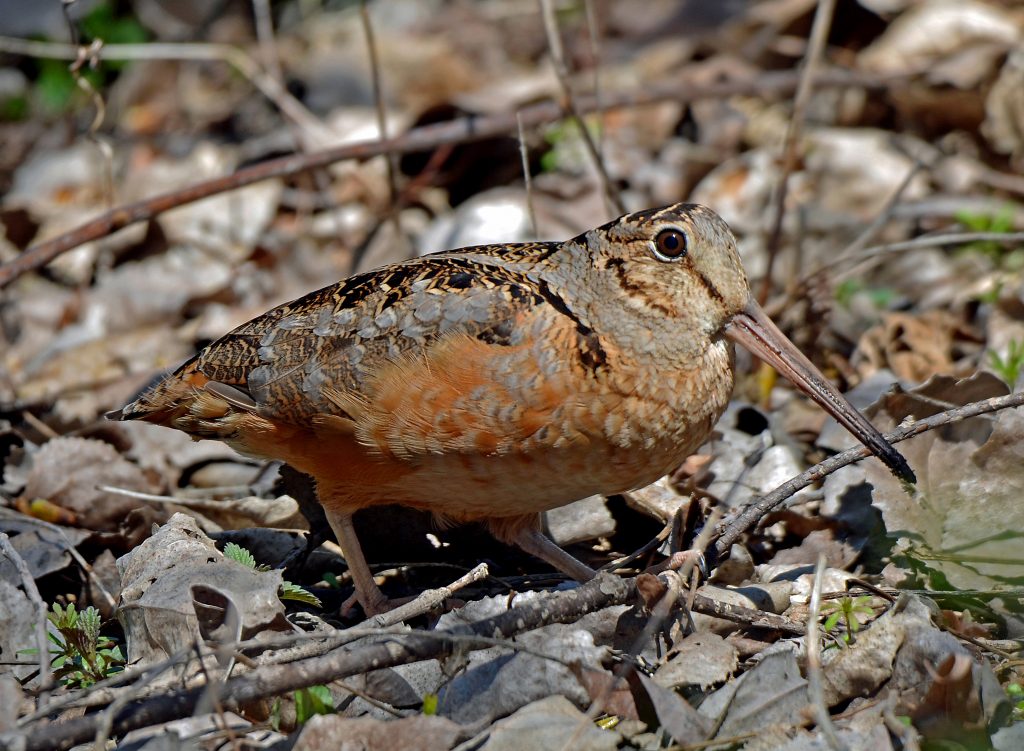
Meet The Elusive American Woodcock
Characterized by a long bill, short and stout stature, extravagant mating display and a nickname like timberdoodle, the American Woodcock would seem to be a bird that stands out. But that is not the case.
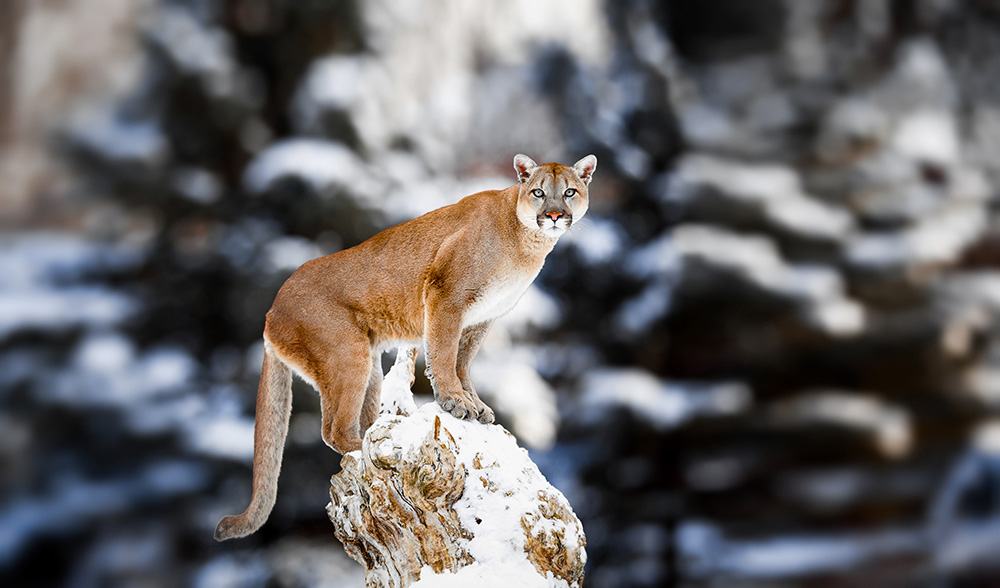
Cougar: Ghost of Appalachia
The Eastern cougar was declared extinct in 2011 by the U.S. Fish and Wildlife Service. But that doesn’t keep other species of mountain lions from passing through the region, leaving behind blurry pictures and occasional eerie screams in the forest.
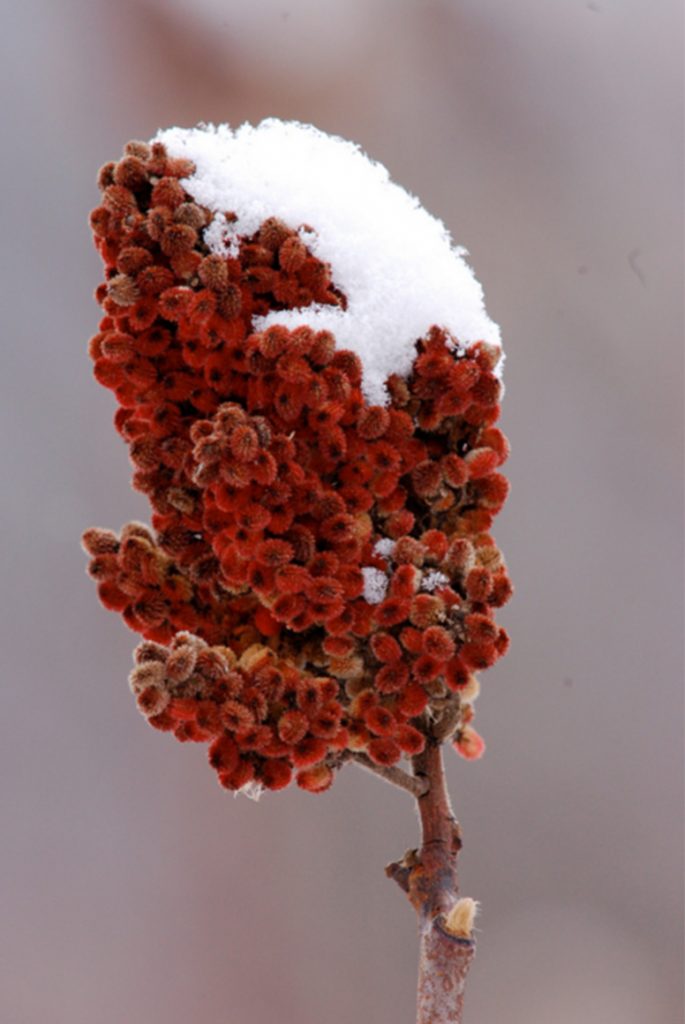
Sumac: A Winter Spice
The bright red berries of the sumac plant add color to the winter landscape. While poison sumac has earned a bad reputation, other varieties of the plant have a long and multicultural history of use, including as a spice and as a dye or tanning agent.
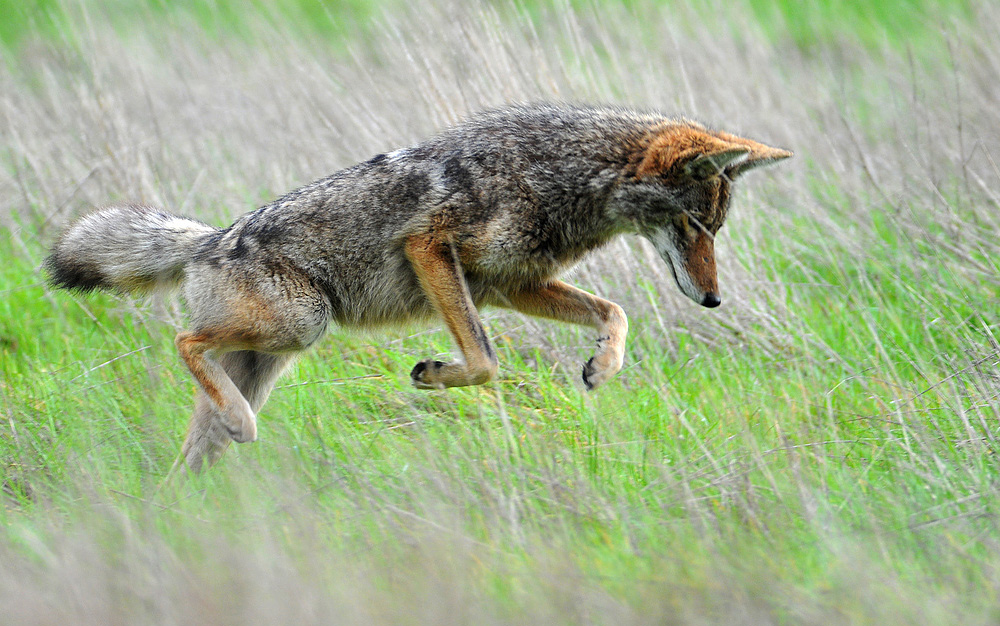
The Coyote Conundrum
Coyote populations in the Appalachian region are growing, and increasingly they are adapting to urban settings. As a result, interactions with humans are becoming more common.
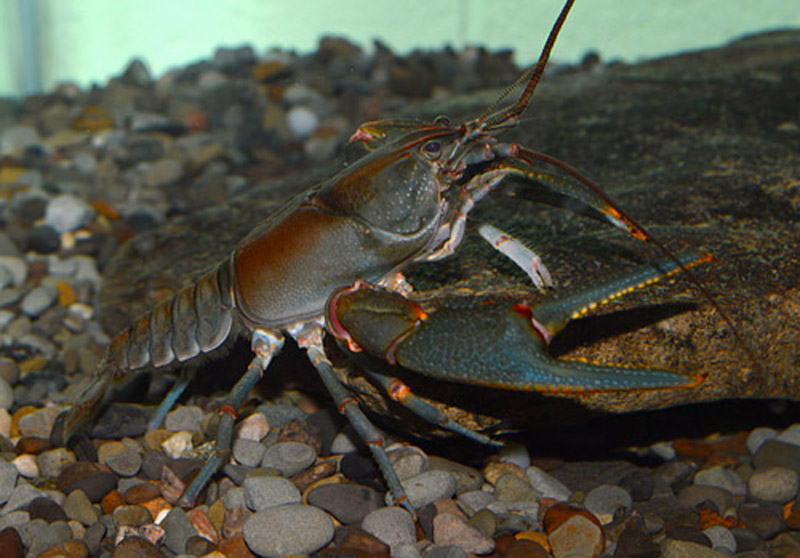
Mounting Threats Imperil Two Appalachian Crayfish
There are more than 300 different species of crayfish in the southeastern United States, and two West Virginia species of these adaptable freshwater crustaceans may be declared federally endangered.