


Naturalist’s Notebook
Celebrating Appalachia’s magnificent biodiversity

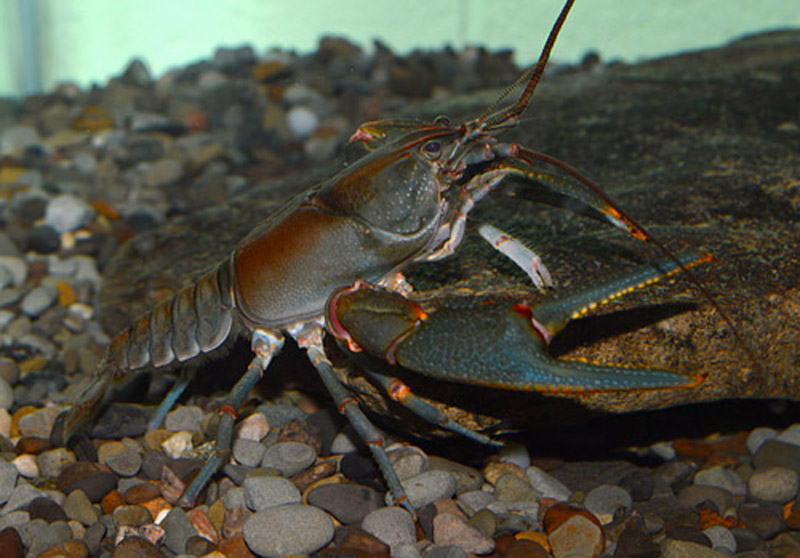
Mounting Threats Imperil Two Appalachian Crayfish
There are more than 300 different species of crayfish in the southeastern United States, and two West Virginia species of these adaptable freshwater crustaceans may be declared federally endangered.
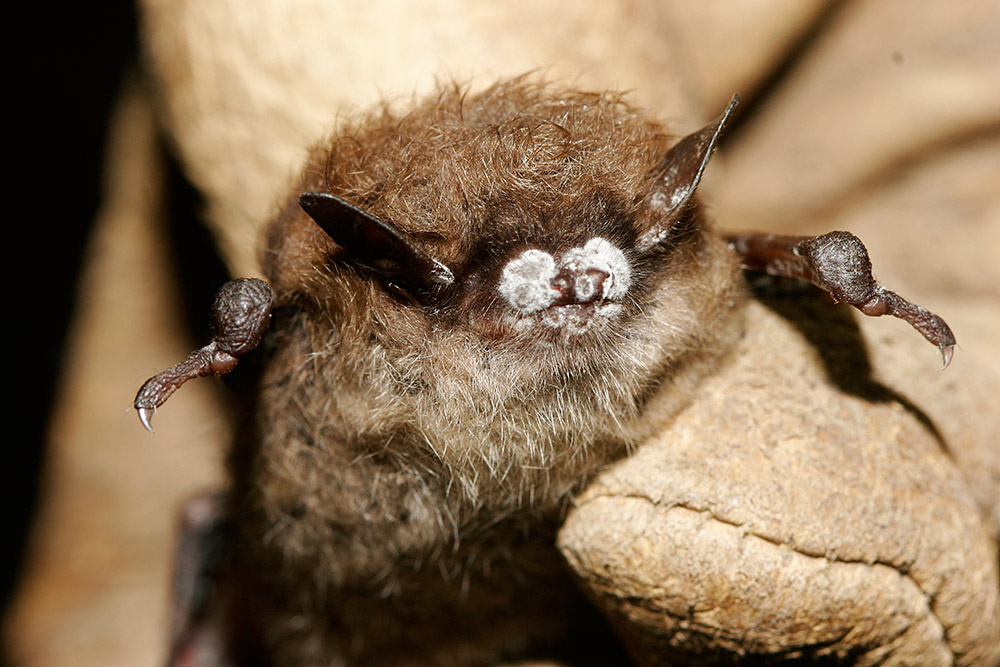
Scientists Go to Bat for the Bats
Scientists engaged in the years-long battle against the devastating white-nose syndrome have found bright spots in the fight to protect bats from the disease.
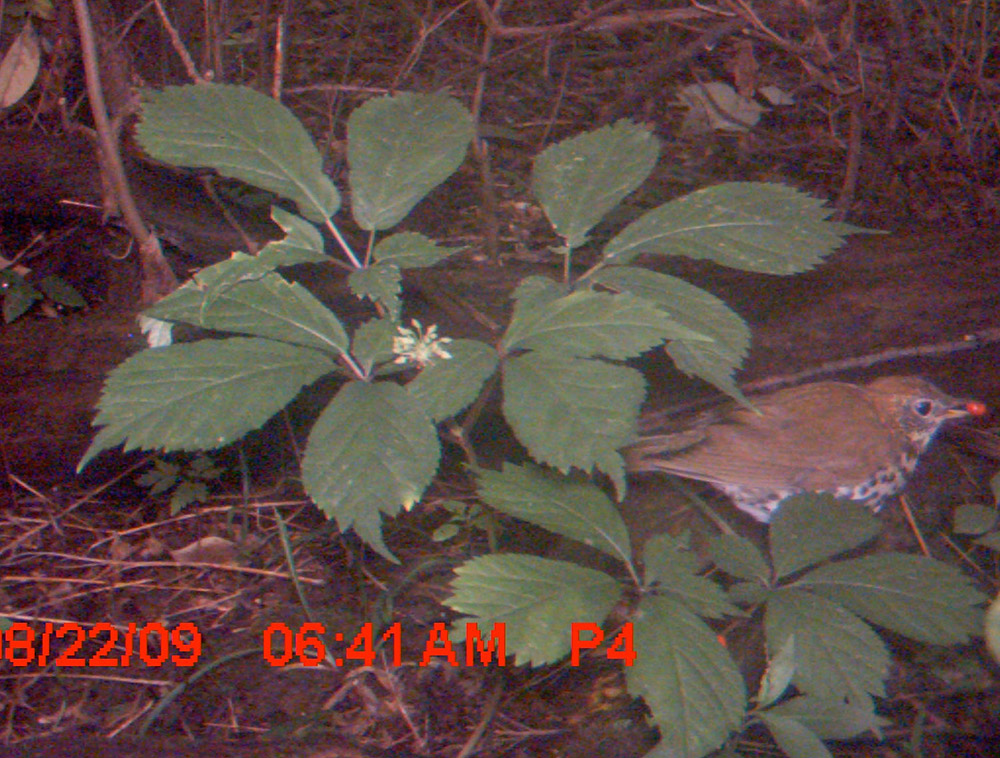
Caught red-handed! Or more accurately, red-beaked
Wood thrushes — and their appetite for bright-red ginseng berries — are helping the plant spread its range further north.
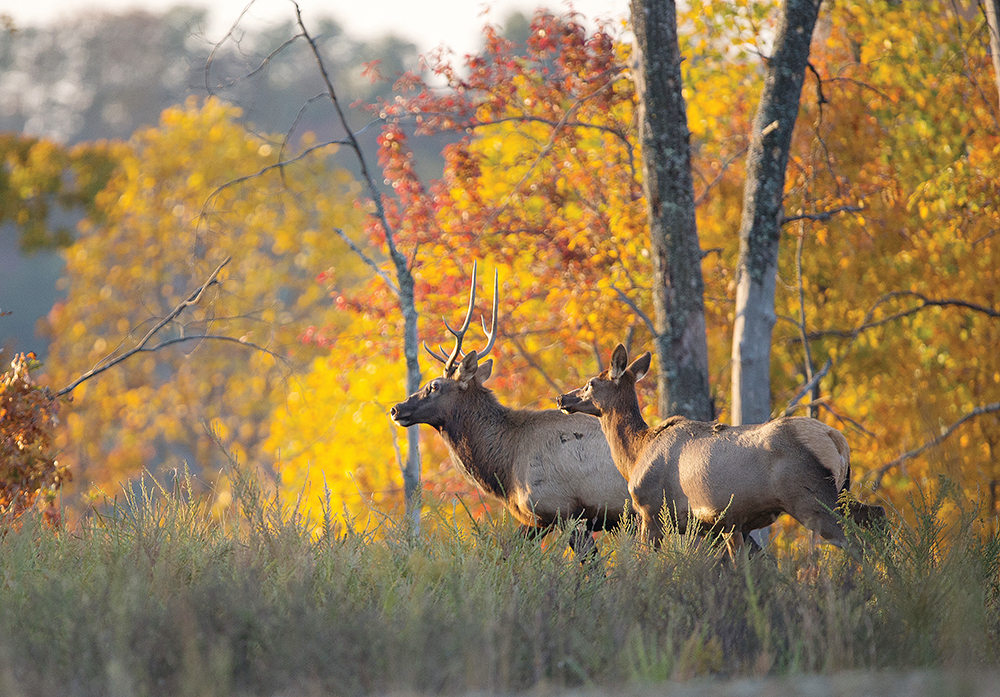
Elk Make Slow Return to Appalachia
When European colonists arrived in the 1400s, Eastern elk were the most widespread hooved animal on the continent, but the subspecies was declared extinct by 1880. Today, however, another type of elk are slowly returning to Appalachia.
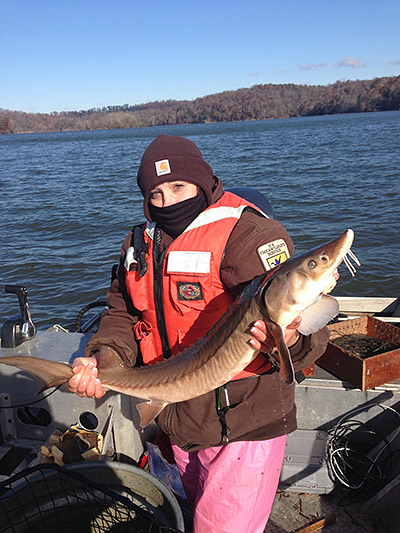
The Lake Sturgeon: Ancient Fish, Modern Recovery
The lake sturgeon is the largest and longest-living freshwater fish native to the southeastern United States. In evolutionary terms, this primitive fish has changed little since it swam among dinosaurs, but its continued survival was in doubt until recently.