
Posts Tagged ‘Virginia’
In Montgomery County, Virginia, Seasoned Mountain Valley Pipeline Fighters Prepare for Another Battle
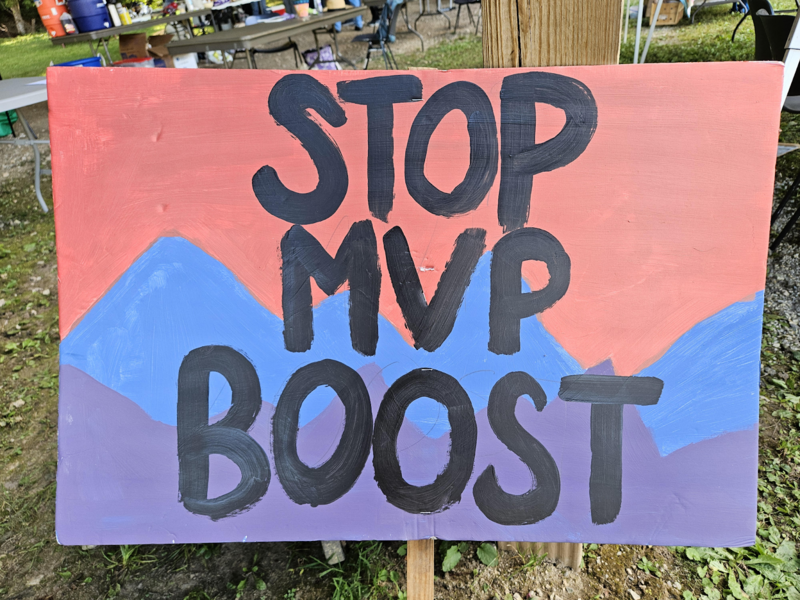
“Here we go again,” is what Crystal Mello, an organizer for the Preserve Our Water Heritage, Rights Coalition, says she said to herself when she learned that Mountain Valley Pipeline was planning a new compressor station in Elliston, Virginia, as part of a project to send even more gas through the massive 42-inch pipeline.
Read MoreNew policy platform highlights proposals for, and by, Southwest Virginians

Appalachian Voices, in partnership with residents from five Southwest Virginia communities, released “Virginia’s Coal Community Development Platform,” a series of policy proposals that represent a community-led approach to creating a stronger economy in the region while fostering healthy places to live.
Read MoreAppalachian Voices to host volunteer work day at Mill Mountain Park

On Oct. 16, Appalachian Voices is hosting a volunteer work day in the lead-up to Roanoke’s GO Fest to remove invasive species from Mill Mountain Park from 5 to 7 p.m.
Read More‘We Certainly Have a Long Way to Go’
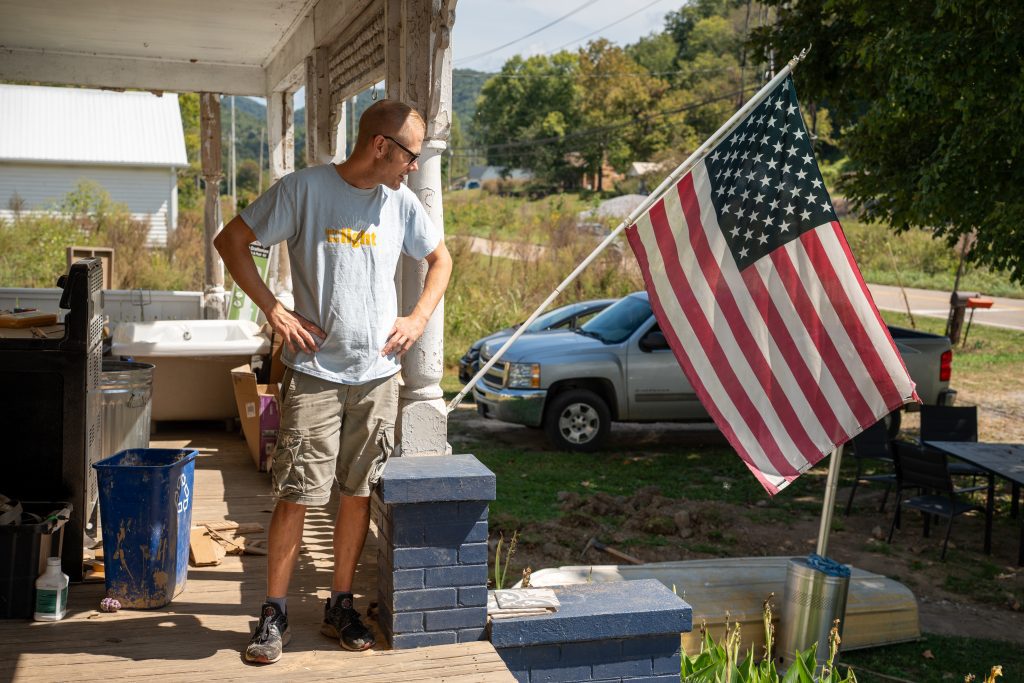
On the one-year milestone of Hurricane Helene, communities reflect on the challenges they still face on the long road to recovery. The storm caused significant destruction, but it also exacerbated existing issues. New instances of housing insecurity and mental health concerns bubble to the surface every day — and will for months and years to come. For those doing the arduous work of long-term recovery, it feels never-ending.
Read MorePart two: Why Dominion Energy’s bad track record on energy efficiency matters for its proposed Chesterfield gas plant
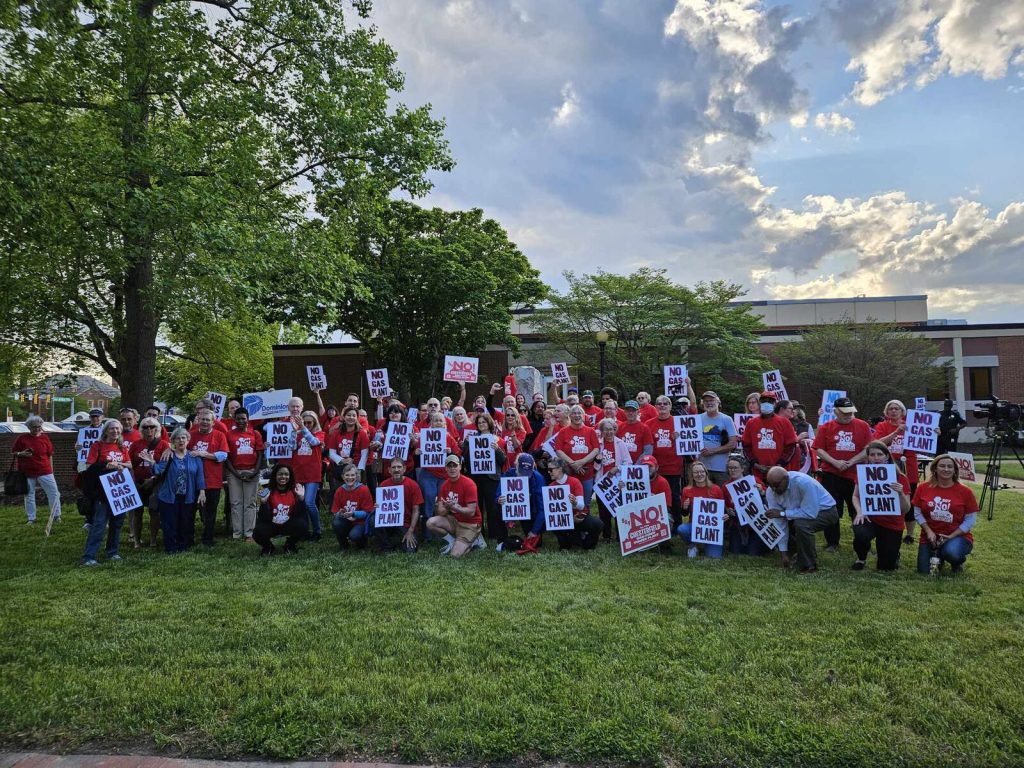
This is the second of two blogs on the proposed methane gas power plant in Chesterfield, which Dominion Energy calls the Chesterfield Energy Reliability Center or CERC. Here we’ll look at Dominion Energy’s failure to meet their energy efficiency requirements and why that’s important, and we’ll show that there is a cleaner and more affordable way for Dominion to produce electricity.
Read More‘King of the Darters’ Removed from Endangered Species List

The Roanoke logperch, a striking, large freshwater fish found in a handful of watersheds in Virginia and North Carolina, is no longer on the U.S. Fish and Wildlife Service’s endangered species list. It’s a sign of the fish population’s improvement. But some individuals and environmental and conservation organizations see its removal from Endangered Species Act protections — rather than moving from “endangered” to “threatened” status — as premature.
Read MorePart one: The $3 billion health costs of Dominion Energy’s proposed Chesterfield gas power plant

This is the first of two blogs looking at how Dominion Energy’s plans for a new methane gas power plant in Chesterfield would affect the local community and everyone in Virginia who gets power from the state’s biggest power company. We’ll dive into the latter in part two!
Read MoreSWVA leaders advocate for community resilience projects in D.C.

On an extraordinarily hot, humid day in July, three Southwest Virginia community leaders climbed their way around Capitol Hill. Leabern Kennedy, Vice Mayor of Pound, Linda Kiser of Dante and Melissa Gillenwater of Dungannon had endured the eight-hour drive from the other end of the state the previous day and were now making their way…
Read MoreExperts say Dominion fails to prove reliability need for Chesterfield gas plant

On behalf of Appalachian Voices, Mothers Out Front, and the National Association for the Advancement of Colored People, the Southern Environmental Law Center filed testimony from Telos Energy before the Virginia State Corporation Commission showing that Dominion’s proposed Chesterfield gas plant is not necessary to ensure reliable power.
Read MoreThe Long Trail Back: Public Lands Recovery After Hurricane Helene

Hurricane Helene devastated many of Appalachia’s most beloved natural areas. Thanks to federal, state and local partners and volunteers, many of these outdoor spaces have reopened. But full recovery is far from over. Current and looming federal budget cuts and policy changes have made already challenging land restoration work even more arduous.
Read More