
Written by Abby Hassler


Abby Hassler
Abby is a digital storyteller who grew up in East Tennessee and joined the communications team in December 2024. Before coming to Appalachian Voices, she spent ten years in strategic communications, academia and journalism. Recent roles include the Director of Creative Strategy of a strategic communications firm focused on clean energy, clean tech and economic development, and Executive Producer of a podcast about clean energy news in Tennessee.
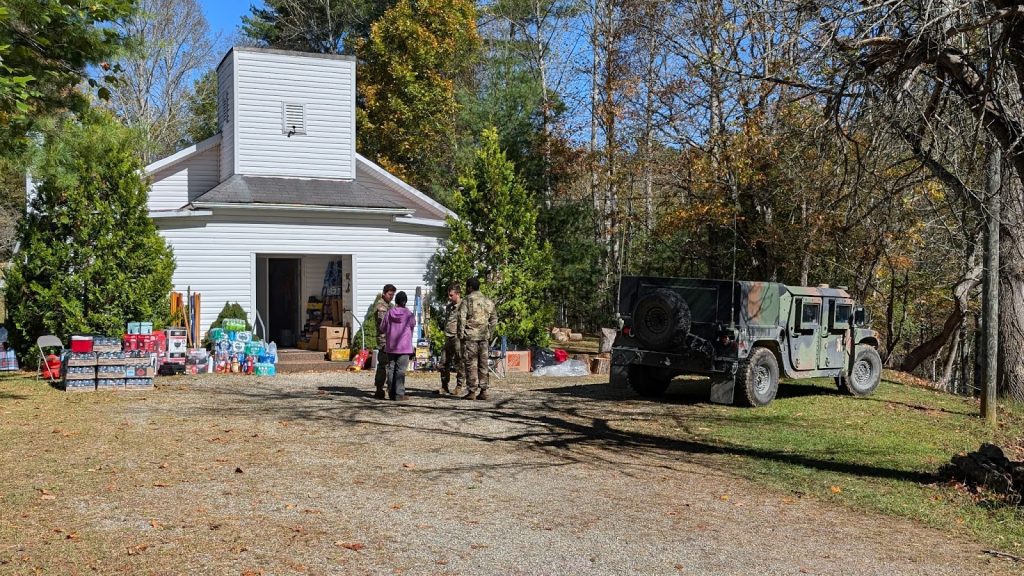
‘Next Time, We’ll Be Ready:’ Community Resilience Hubs Take Root in Western North Carolina
After Hurricane Helene, some organizations are hoping to establish long-term community resilience hubs in North Carolina. In an ideal scenario, these hubs would be equipped with renewable infrastructure, such as solar microgrids, to maintain reliable access to electricity in the event of grid outages.
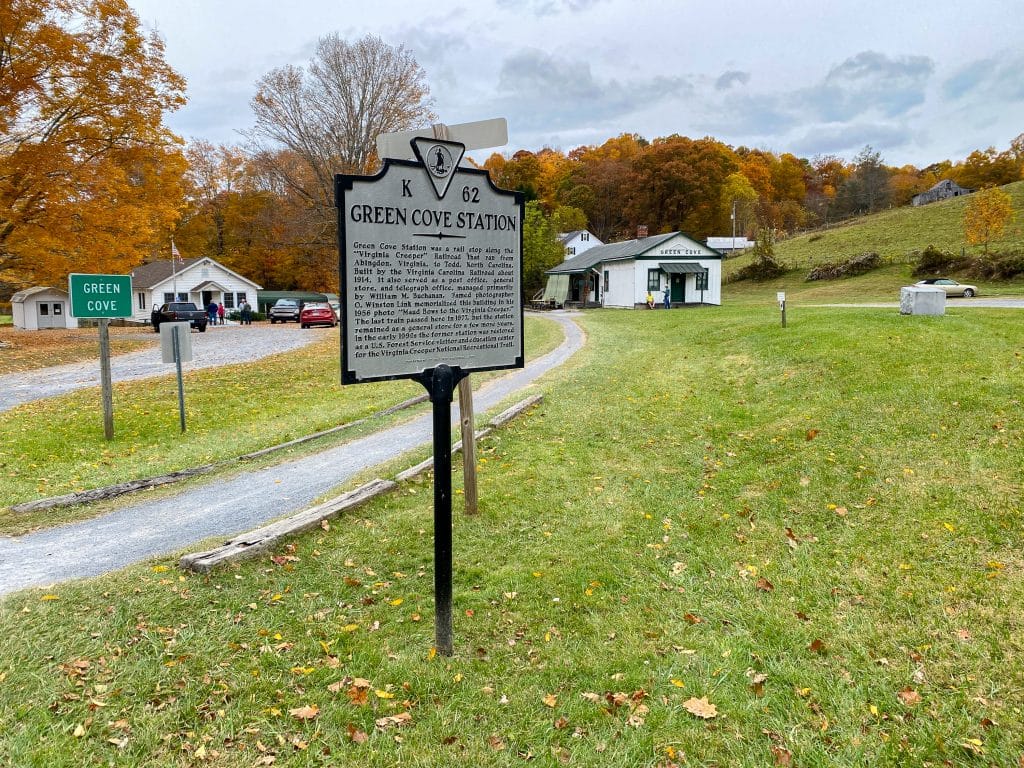
On the Road to Recovery: Rebuilding the Virginia Creeper Trail
Hurricane Helene devastated part of the popular Virginia Creeper Trail. Despite promising recent updates, the timeline for major restoration and eventual completion for portions of the picturesque rail-to-trail path remains uncertain, requiring small businesses that rely on visitors to pivot or risk closure.
Economic First Responders: CDFIs, The Unsung Heroes of Appalachian Financial Services
CDFIs serve as ‘economic first responders’ in Appalachia. A drastic reduction in one of their funding sources could significantly alter or slow down their work providing capital to small business owners, mentorship to entrepreneurs, protections from predatory lending and flexible, fast capital in times of natural disaster.

Appalachian Voices urges “No” vote on catastrophic budget reconciliation bill
Today, the U.S. House of Representatives is considering a massive budget reconciliation bill officially known as the “One, Big Beautiful Bill Act” (H.R. 1) with broad impacts for Appalachian communities.
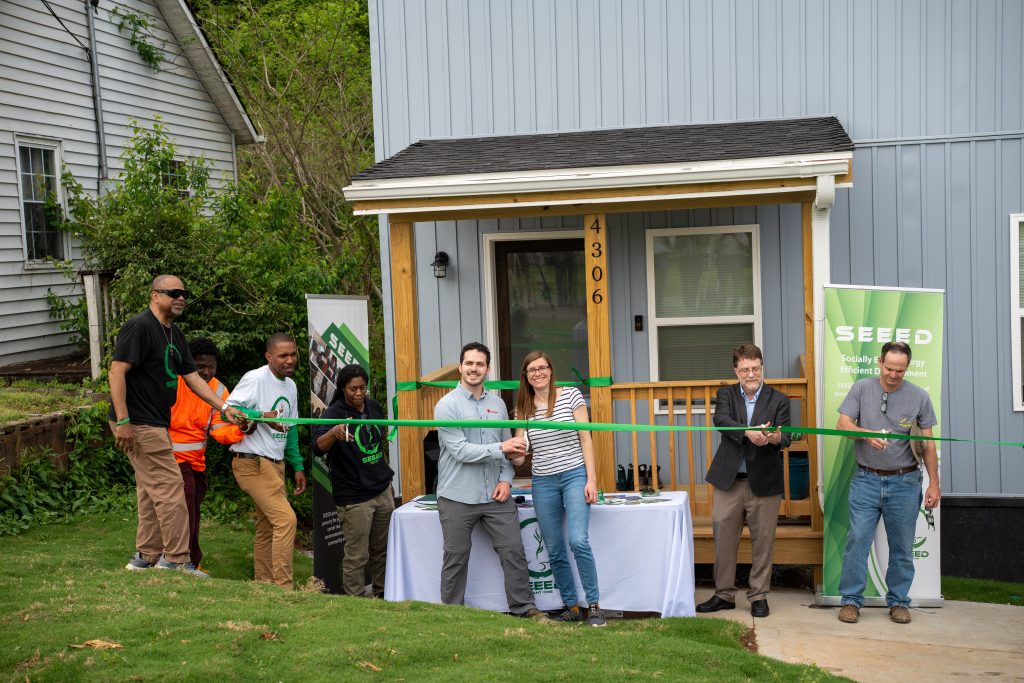
East Tennessee Nonprofit Welcomes First-Time Homebuyers Into Affordable, Energy-Efficient Home
Shawn O’Brien and Nicole Yacura recently moved into Candora House, a net-positive solar home built by East Tennessee nonprofit, SEEED.
Clean energy tax credits: Why are they important for Appalachia?
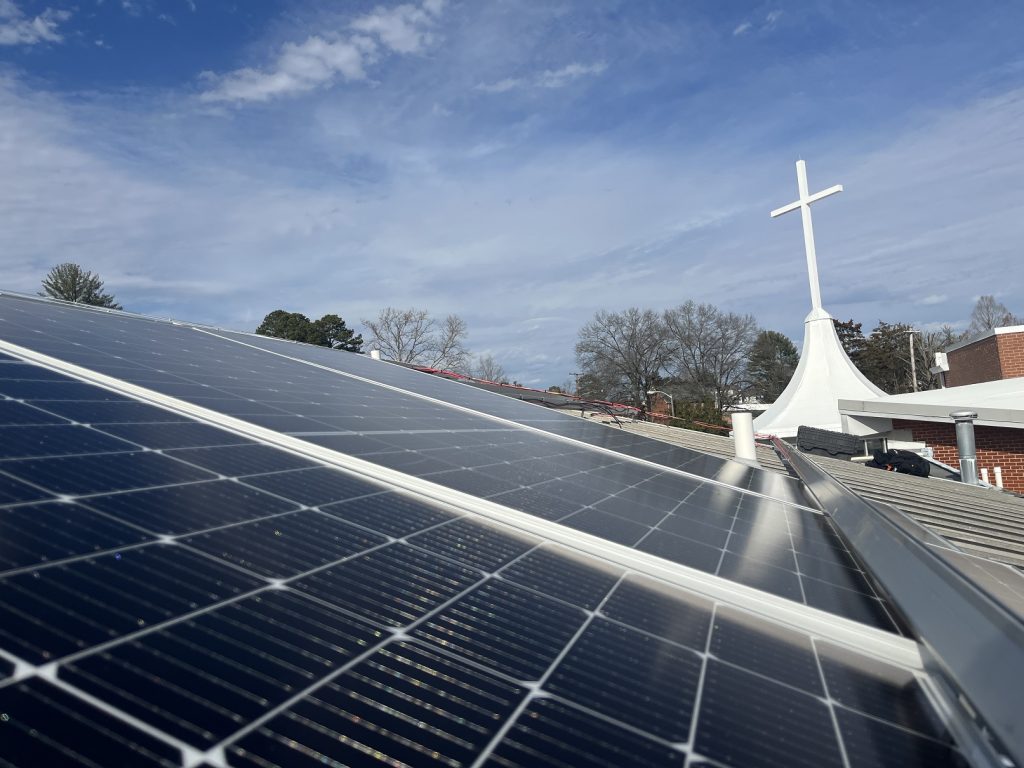
On the surface, federal tax credits may seem overly complicated or unrelatable. However, understanding the intricacies of tax law isn’t necessary to witness the positive impact these incentives are making in the country.
Appalachian Voices releases new report on how new clean energy tax credits have benefited Appalachia
Appalachian Voices released its latest report, “Clean Energy Tax Credits: Working for Appalachia.” As part of the release, staff co-hosted a virtual press conference with beneficiaries of tax credits covered in the report, including faith and nonprofit leaders.
Grazing In The Sun: Enterprising Farmers Pair Agriculture With Solar Power
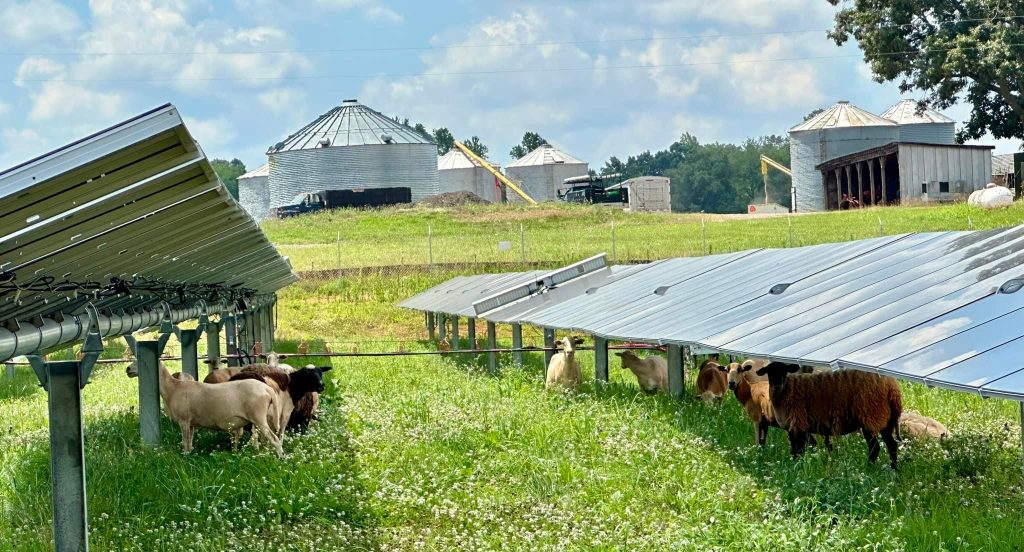
Agrivoltaics is the practice of using land for both agricultural and solar energy production. It involves traditional ground-mounted solar arrays where panels are elevated or spaced out to allow for crop production, pollinator habitats or grazing. Advocates believe that when done well, the practice can numerous environmental and economic benefits for Appalachian communities.

Green Jobs, Healthy Communities: A Conversation With SEEED’s Stan Johnson and JD Jackson
SEEED, a nonprofit operating in Knoxville, Tenn., provides “pathways out of poverty for young adults through career readiness training, environmental education and community engagement.” The following is a Q&A with two members of the organization’s leadership team.
Overwhelming opposition to MVP Southgate submitted to federal agency
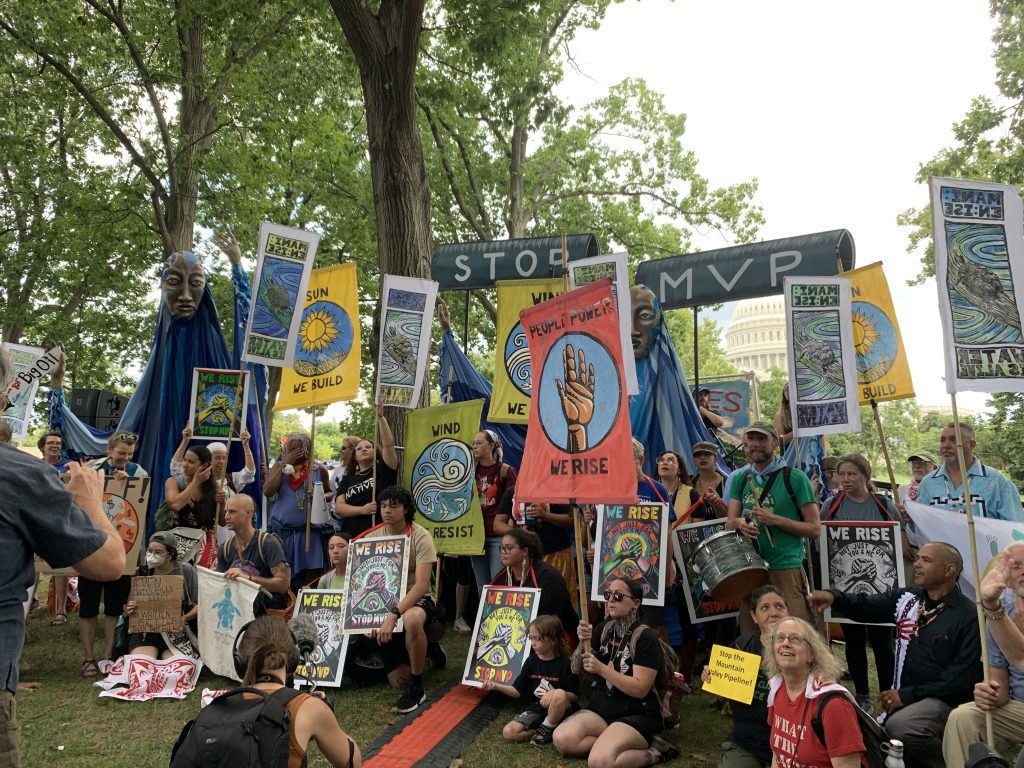
On March 11, the Federal Energy Regulatory Commission closed an intervention period in the federal docket for the proposed Southgate pipeline project. Mountain Valley Pipeline, LLC, the developer of the Southgate pipeline, is seeking approval to dramatically alter its original 2018 design, changing the route and increasing the pipe diameter and capacity for the project. Although community members asked for more time for review, only a 21-day intervention period was offered.