

TVA Looks for More Exemptions From National Envionmental Policy Act
Since 1970, the National Environmental Policy Act has required that federal agencies consider the environmental impact of their actions in their decision making. The federally owned Tennessee Valley Authority adopted its procedures for adhering to NEPA in 1978, but is now looking to change the degree of public environmental review for some of its actions.
Under the environmental law, TVA must prepare an environmental assessment for most projects to determine what the potential environmental effects could be. If those effects could be significant, the utility must issue an environmental impact statement and provide opportunities for public involvement.
Categorical exclusions are issued for actions that are not considered to have a significant environmental impact. Neither environmental studies nor public involvement is required for these projects.
In June, TVA announced its intention to change its NEPA policy to “more accurately reflect [its] mission, the evolving energy industry and modern communication methods.” If enacted, the number of actions eligible for categorical exclusions would increase from 19 to 50, according to the Chattanooga Pulse.
“While some [of the proposed exclusions] make sense, a number are concerning to us,” Jonathan Levenshus of the Sierra Club told the Knoxville News Sentinel.
In particular, Levenshus pointed to an exclusion TVA has requested for its rate design.
The Southern Alliance for Clean Energy, an environmental advocacy group, also challenged this proposed exclusion, noting in a statement that “the regional utility is working behind the scenes to change its electric rates to discourage customer investment in energy saving technologies in general, and solar power in particular.”
Other proposed exclusions include actions to manage invasive species or change the mix of species in areas less than 125 acres. Such activities could include chemical applications, mechanical species removal or prescribed burns.
The public comment period for the proposed changes ended on Sept. 6. TVA will now review the public comments and potentially make changes, confer with the White House Council on Environmental Quality and issue its final version of its NEPA policy.
Related Articles
Latest News
More Stories
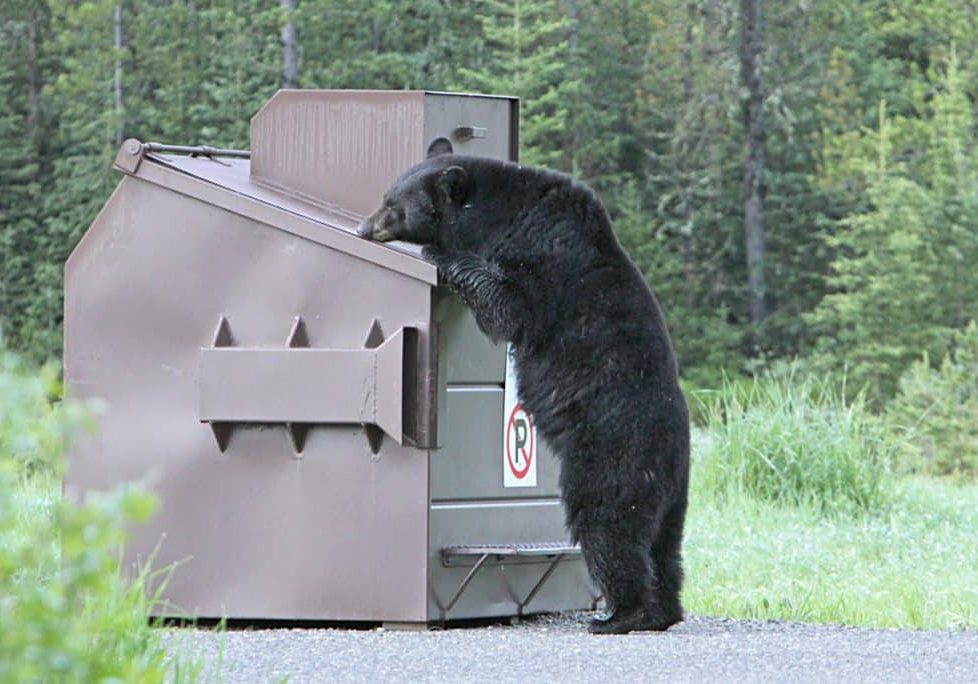
Increasing Human-Bear Conflict Prompts Legislation, Need for More Public Awareness
Experts report human-bear conflicts are on the rise in Western North Carolina, East Tennessee and other parts of the country due to an increasing bear population, development encroaching on bear habitat and other factors.
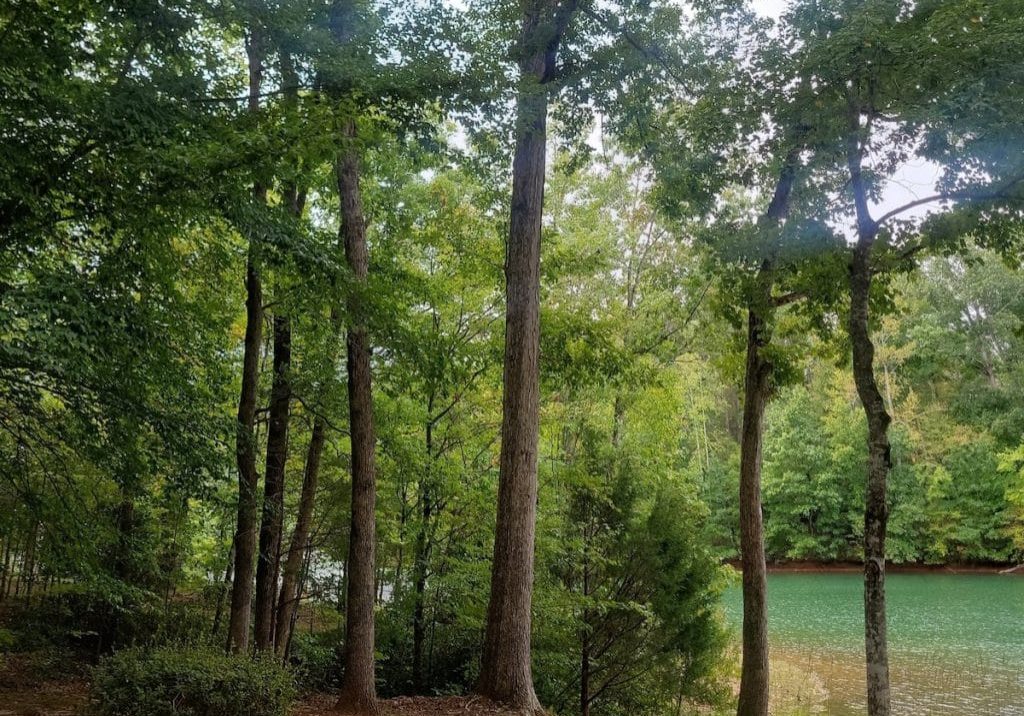
Planting for the Grandkids
Gardening from memory is getting trickier in Appalachia as hardiness zones change. Some areas, like parts of Asheville, Knoxville and Johnson City, have shifted full hardiness zones since 1990. An arborist explains what this shift means for the trees you plant this fall, and for the grandchildren who’ll live with them.
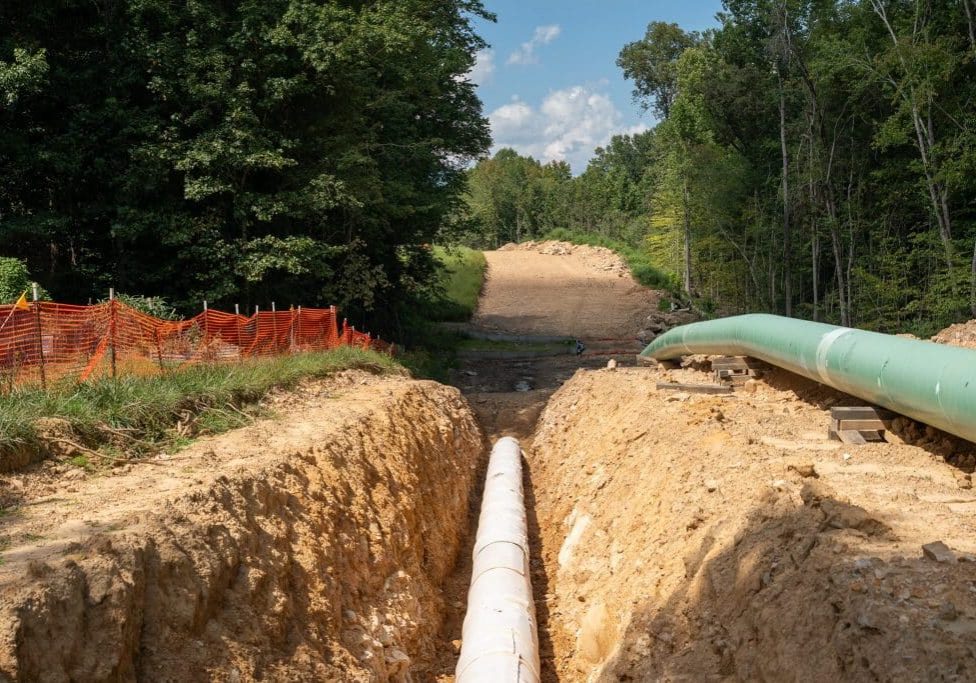
Ridgeline Pipeline Construction Impacts in Rural East Tennessee
Neighbors share concerns about noise, unpredictable construction schedules and other disruptions due to methane gas pipeline construction in East Tennessee.
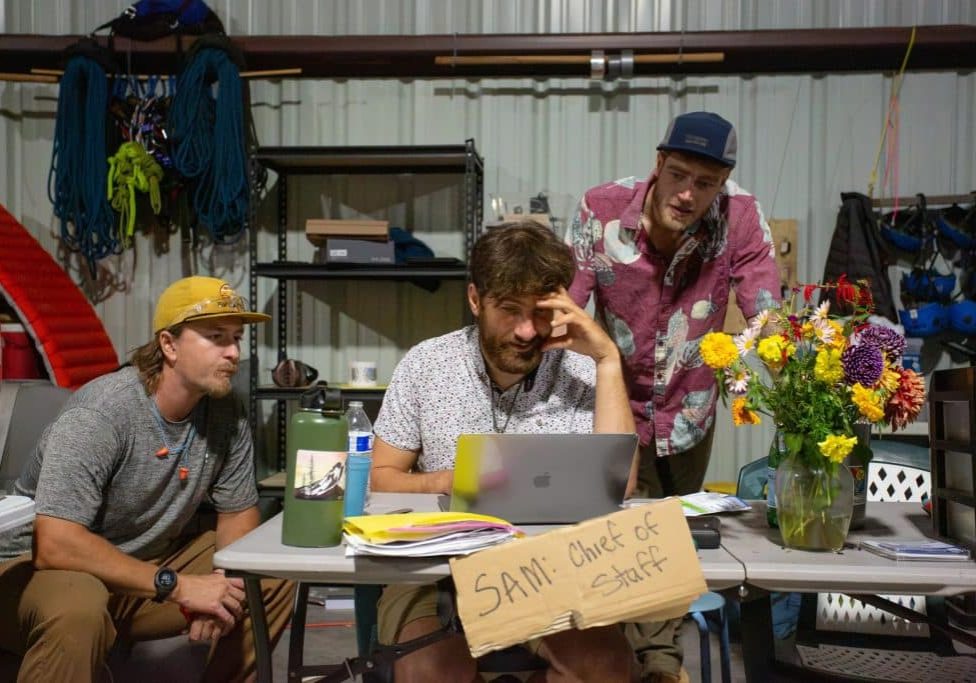
Neighbors Help Neighbors
A photo essay that celebrates the volunteer spirit of the grassroots group Hurricane Helene WNC and speaks to the resourcefulness, collaboration and hard work embodied by thousands and thousands of volunteers, first responders and aid workers across the region after Hurricane Helene.

Halloween Approaches, and Night School Is in Session
The House of Art in Bluefield, West Virginia, looks like a haunted tower, making it the perfect location for its sixth annual haunt event: Night School. The Night School will be open every Friday and Saturday night through Oct. 31.
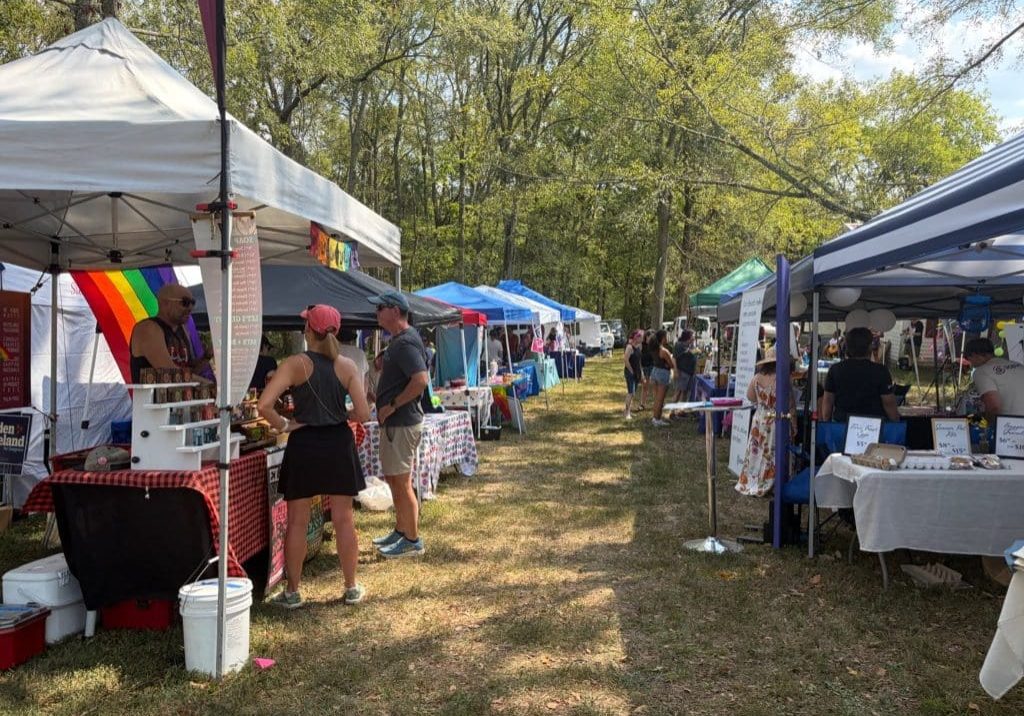
‘The Most Perfect Act of Love’
Hundreds of people attended the second annual Affirming Sumner Pride celebration on a 24-acre farm dubbed “Fruity Farm” in Bethpage, Sumner County, Tennessee.

Leave a comment
Your email address will not be published. Required fields are marked *
Leave a Comment