

20 Years of Action: A Letter from Our Board Chair
Editor’s Note: This story was part of a special section dedicated to Appalachian Voices’ 20th anniversary. For more about the organization’s history and vision for the future, along with a timeline of the past 20 years, click here.
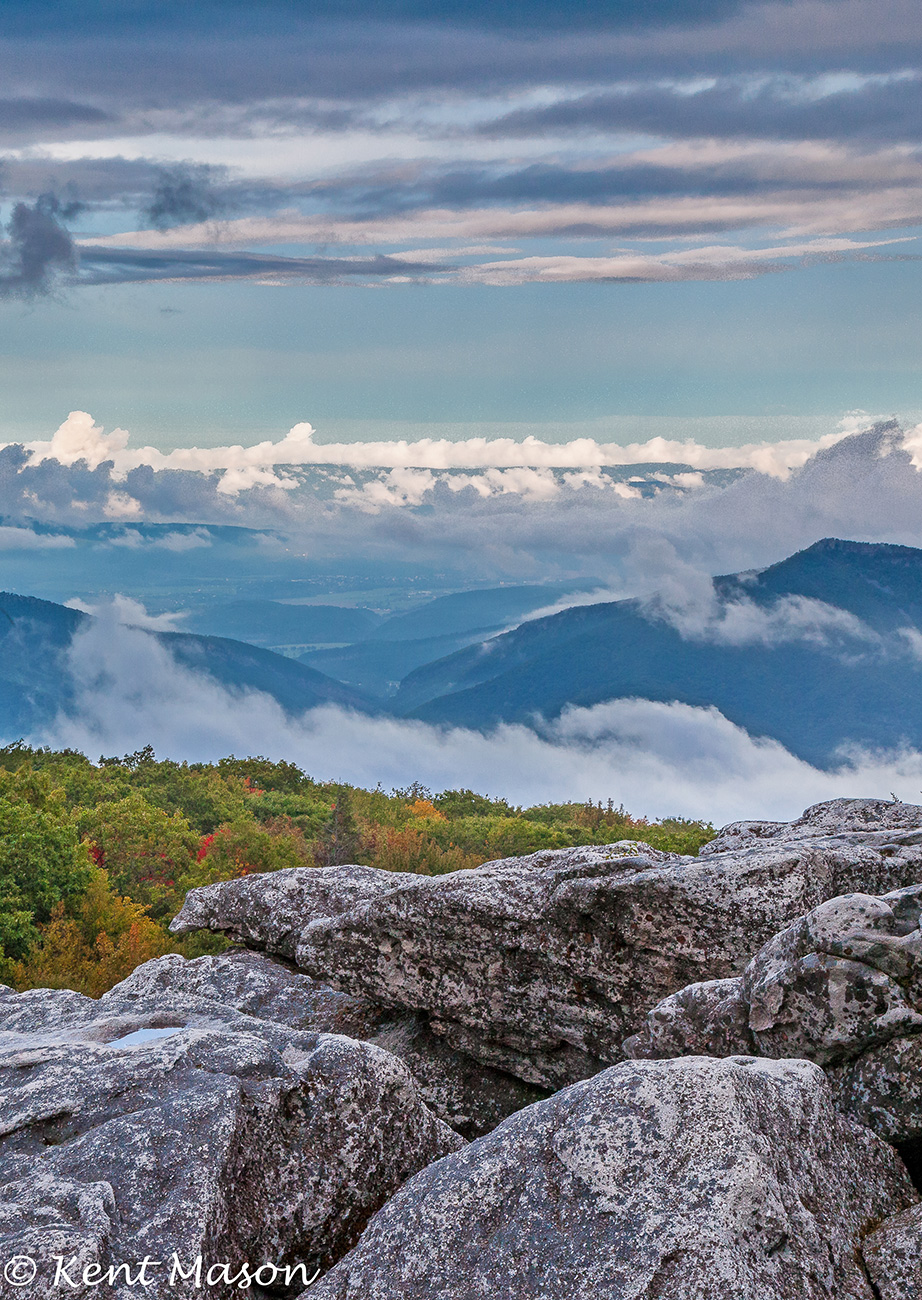
Photo by Kent Mason
Today, Appalachian Voices is working at the nexus of America’s energy transition. This organization is a leading force accelerating the shift from fossil fuels to clean energy, healthy communities and more sustainable local economies.
Our community-first approach has been fundamental to Appalachian Voices’ work throughout our 20 years of fighting to protect the land, air, water and economic future of Central and Southern Appalachia. The well-being of local communities remains the soul of our mission and informs our strategies going forward during this most critical time for the region.
By engaging deeply in impacted communities, our team earns the respect of local leaders, state and federal officials, and members of Congress. Those relationships allow us to transcend the boundaries that have hindered progress in Appalachia for far too long.
Although the coal industry has begun loosening its grip on Appalachia, mining continues to endanger communities and the environment. Emerging threats to natural resources are also on the horizon in the form of massive natural gas pipelines that cost billions of dollars, often crossing pristine mountain heritage lands.
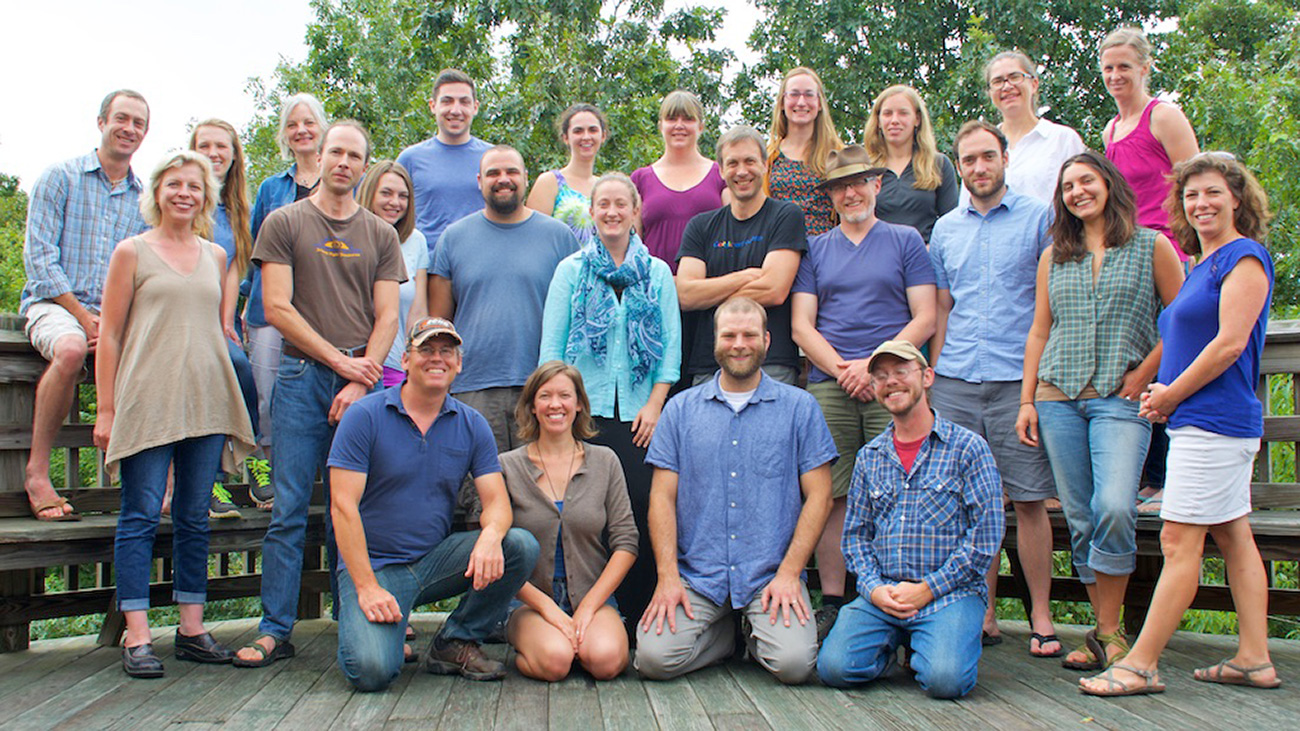
The Appalachian Voices team in August 2016
To counter that threat, Appalachian Voices is putting forward a positive vision for the region’s future and the role it can plan in America’s energy transition.
Appalachian communities deserve to share in the benefits of the new, clean energy economy. It’s a testament to this organization’s nimbleness and staying power that, while continuing the fight against fossil fuels, Appalachian Voices is now also recognized as a champion of clean energy sources that generate local jobs and community wealth, and that sustain Appalachia’s incomparable natural heritage.
After two decades of innovative and successful campaigns, we are well-positioned to help lead the region toward a healthy, prosperous future.
Please join me in supporting this remarkable organization.
On behalf of the Appalachian Voices Board of Directors,
James (Kim) Gilliam, Chair
Dot Griffith, Vice-Chair
Bunk Spann, Secretary
Kathy Selvage, Treasurer
Members At-Large:
Clara Bingham
Pat Holmes
Rick Phelps
Pallavi Podapati
Chris Scotton
Tracey Wright
Tom Cormons (Ex-officio)
Related Articles
Latest News
More Stories
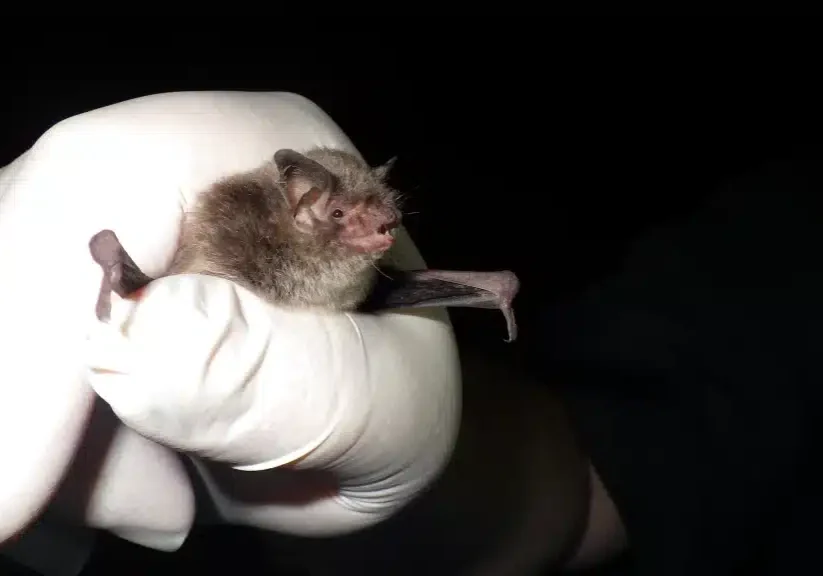
Signs of Life
In the Nantahala National Forest, a team of biologists spotted Indiana bats, an endangered species that hasn’t been seen in North Carolina for the last 11 years.
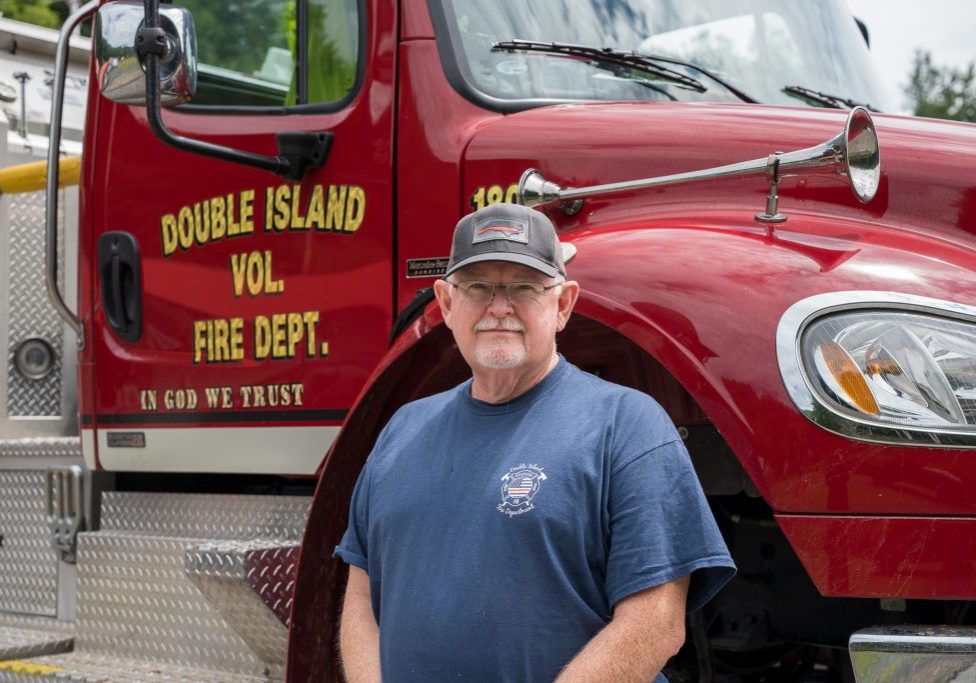
‘First Line of Defense’
During Hurricane Helene and its aftermath, rural fire departments and other first responder hubs played critical roles in keeping their communities safe, even without power and cut off from outside support for days or weeks after the storm. Two years later, plenty of work remains to ensure these hubs have the resources they need to operate day to day and be ready when emergencies or natural disasters strike.
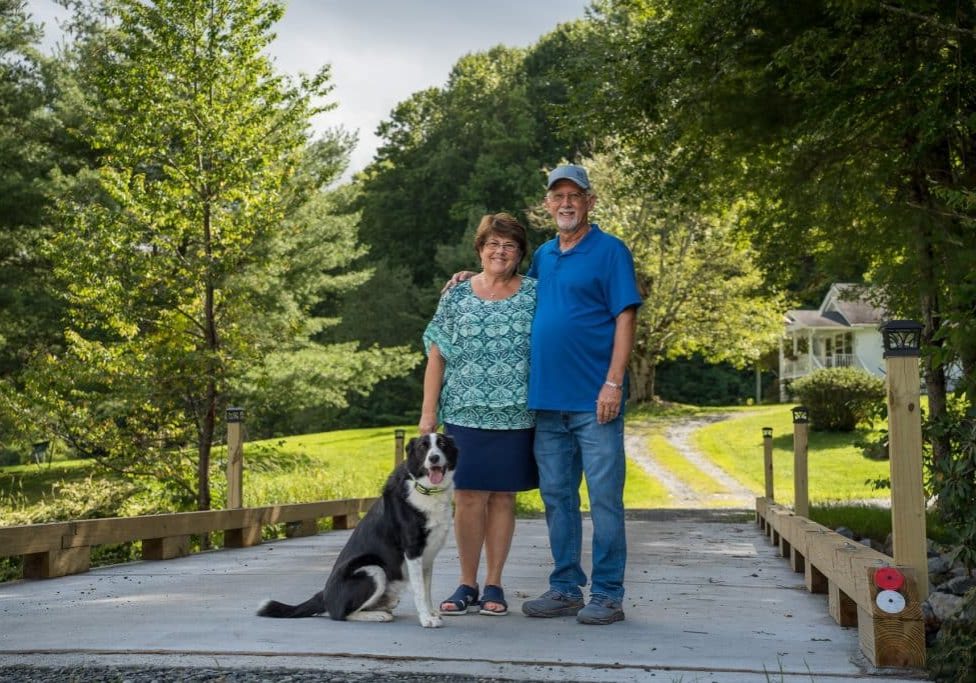
The Rocky Road — and Bridge — to Recovery
Hurricane Helene is estimated to have damaged nearly 7,000 private roads and bridges in Western North Carolina. Two years later, many restoration projects are complete, but the journey hasn’t been easy — and isn’t over for others.
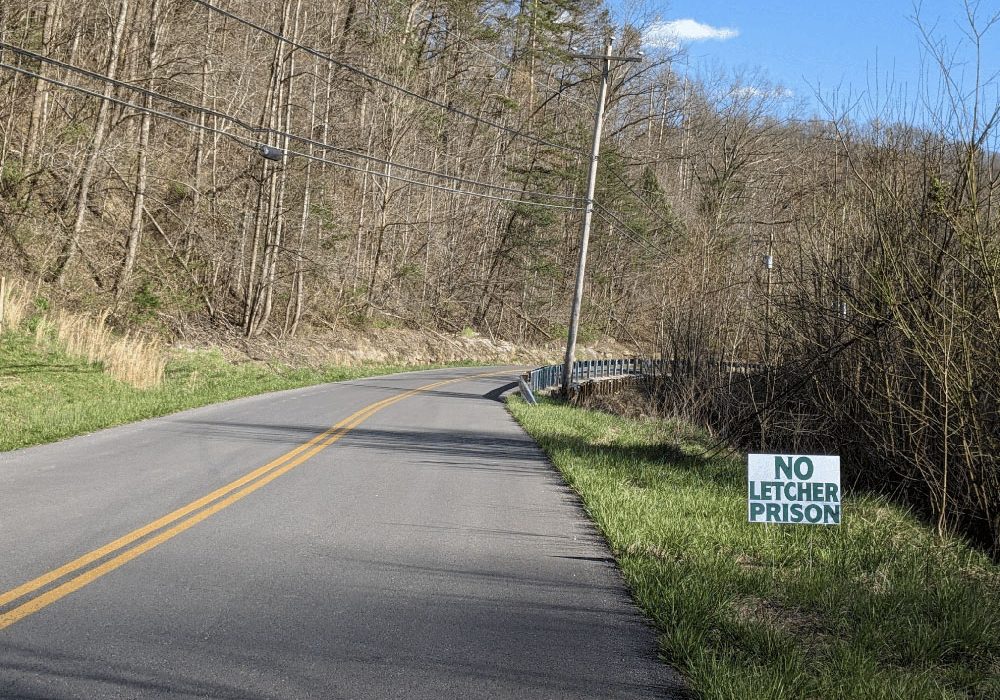
After 20 Years, Letcher County Prison Proposal Is Still Alive, Though Obstacles Remain
A $605 million proposal for a federal prison on a former strip mine site in Letcher County, Kentucky, championed by U.S. Rep. Hal Rogers, refuses to die, despite local opposition, a lack of support from the executive branch and numerous other obstacles.
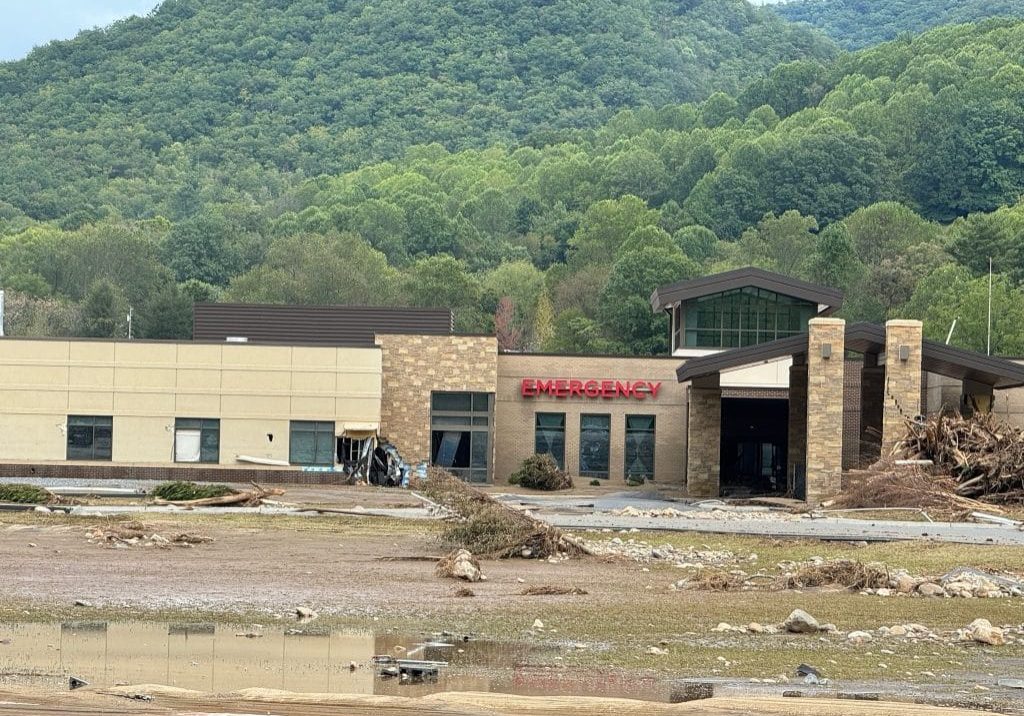
The Washout and Rebuild
For nearly two years, residents of Unicoi County, Tennessee, have had to make do without a hospital after Hurricane Helene destroyed the rural hospital. Ballad Health, which owns the hospital, broke ground on a new location — in another floodplain — in August 2026.

The Shenandoah Salamander
The Shenandoah salamander is a woodland salamander, which has adapted to life at higher elevations away from water. This sparkling rarity lives among the dry leaves, cracked logs, and stony hillocks on the highest peaks of Shenandoah National Park.

Leave a comment
Your email address will not be published. Required fields are marked *
Leave a Comment