

Making Plans for 2018
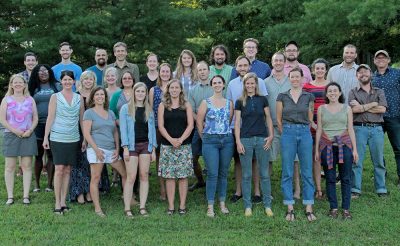
In August, all 31 members of the Appalachian Voices team gathered at Natural Tunnel State Park in Southwest Virginia for our annual retreat to discuss plans and goals for 2018 and beyond. In our 20th year and stronger than ever, the gathering allows team members from different states to collaborate and refresh our sense of purpose.
A major goal for our North Carolina team is to end unlined storage of coal ash by 2050 by securing policies that prevent cap-in-place — which simply covers coal ash ponds where they are — and increase the recycling of coal ash by 2019. We also plan to pressure state and federal officials to prevent construction of the Atlantic Coast Pipeline and promote clean energy and sustainable economies in the state.
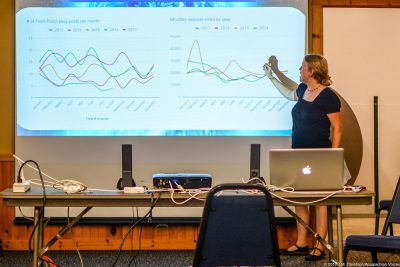
In Tennessee and North Carolina, our Energy Savings team is continuing to work with rural electric co-ops to develop new, innovative member programs. One of these is on-bill financing, which allows co-op members to make energy efficiency improvements to their homes, repay the utility over time and still save money on their electric bills.
Our Virginia team outlined their strategy to defeat the Mountain Valley and Atlantic Coast Pipelines through legislator pressure, litigation, regulations and by helping to grow the grassroots movement against these dangerous projects. We are also working to bring major investments in solar, wind and energy efficiency to the commonwealth.
Our New Economy Team discussed their collaboration with local communities in Southwest Virginia on a plan to kickstart solar energy in the area (read more from this issue here). We’re also assisting with a regional land study to pave the way for just and equitable land ownership in Central Appalachia, and are aiming to clean up mine sites and spur economic revitalization through passage of the RECLAIM Act.
Our Central Appalachian team is continuing the push to end mountaintop removal coal mining by challenging new permits such as the Cooper Ridge Mine in Tennessee (read more from this issue here) while also addressing pollution from reclaimed, abandoned and active mines through water testing and legal strategies. We are actively engaging in communities across the region to support local organizing efforts, and intend to work with Congress to reauthorize the Abandoned Mine Lands program before it expires in 2021.
It’s been an honor to protect the mountains for and with you, the people of Appalachia, for 20 years now — we greatly look forward to the next 20.
Related Articles
Latest News
More Stories

Signs of Life
In the Nantahala National Forest, a team of biologists spotted Indiana bats, an endangered species that hasn’t been seen in North Carolina for the last 11 years.

‘First Line of Defense’
During Hurricane Helene and its aftermath, rural fire departments and other first responder hubs played critical roles in keeping their communities safe, even without power and cut off from outside support for days or weeks after the storm. Two years later, plenty of work remains to ensure these hubs have the resources they need to operate day to day and be ready when emergencies or natural disasters strike.

The Rocky Road — and Bridge — to Recovery
Hurricane Helene is estimated to have damaged nearly 7,000 private roads and bridges in Western North Carolina. Two years later, many restoration projects are complete, but the journey hasn’t been easy — and isn’t over for others.
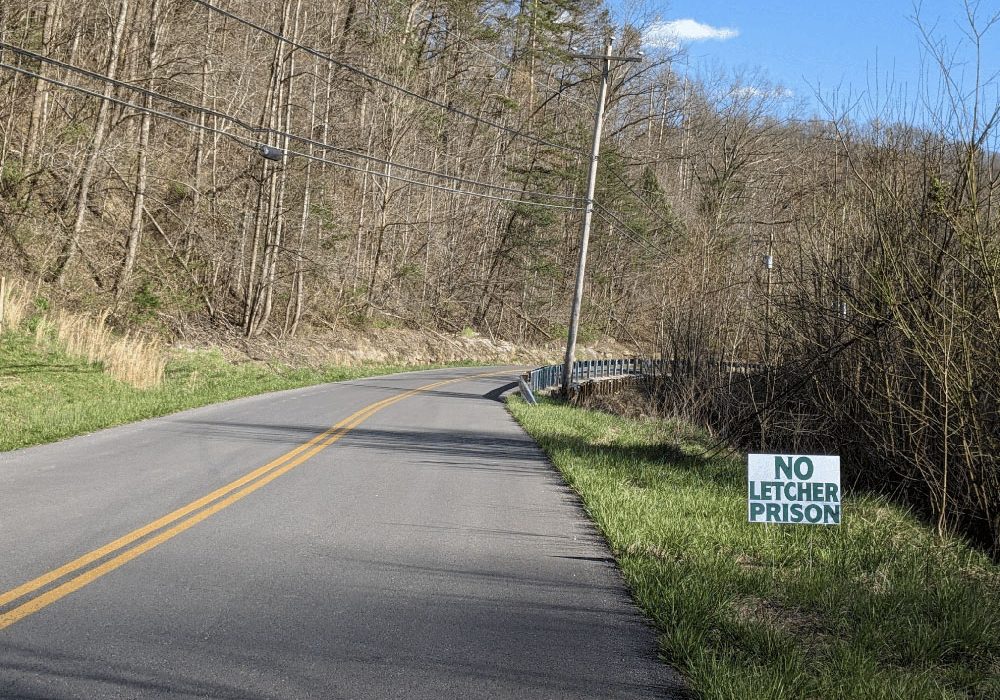
After 20 Years, Letcher County Prison Proposal Is Still Alive, Though Obstacles Remain
A $605 million proposal for a federal prison on a former strip mine site in Letcher County, Kentucky, championed by U.S. Rep. Hal Rogers, refuses to die, despite local opposition, a lack of support from the executive branch and numerous other obstacles.
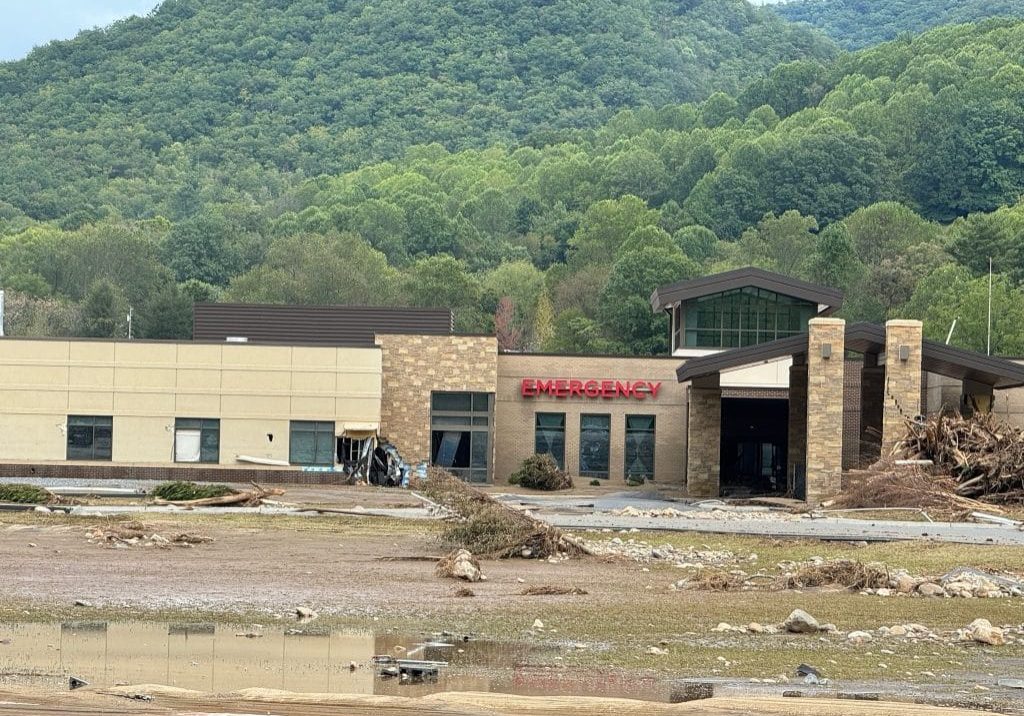
The Washout and Rebuild
For nearly two years, residents of Unicoi County, Tennessee, have had to make do without a hospital after Hurricane Helene destroyed the rural hospital. Ballad Health, which owns the hospital, broke ground on a new location — in another floodplain — in August 2026.

The Shenandoah Salamander
The Shenandoah salamander is a woodland salamander, which has adapted to life at higher elevations away from water. This sparkling rarity lives among the dry leaves, cracked logs, and stony hillocks on the highest peaks of Shenandoah National Park.

Leave a comment
Your email address will not be published. Required fields are marked *
Leave a Comment