

Pipelines Spark Safety Concerns
By Dan Radmacher
“The area was lit up as if it were daylight for miles around.”
“It incinerated everything in its path.”
“It sounded like a Boeing 757. Just a roar. It was huge. You just couldn’t hear anything. It was like a space flight.”
“It looks like a bomb went off. As far across my windshield as I could see was just a massive fireball.”
As these accounts from incidents around the nation vividly illustrate, the explosion of a natural gas pipeline is an earth-shattering event.
Flames shoot hundreds of feet up into the air, generating intense heat and incinerating anything — and anyone — in its path. One 2012 explosion near I-77 in West Virginia melted the interstate. In 2000, a pipeline explosion in New Mexico killed 10 campers.
The Federal Energy Regulatory Commission dismisses citizen concerns about the potential for explosions in the Draft Environmental Impact Statement for the Atlantic Coast Pipeline with this: “Because the pipeline would be constructed and operated in accordance with federal regulations and federal oversight, we conclude that constructing and operating the pipeline facilities would not significantly impact public safety.”
But despite federal regulations and oversight, pipeline explosions are anything but rare. According to the Pipeline Hazardous Material Safety Administration (link requires sign-in), there were 305 “significant incidents” involving pipelines in 2016, resulting in 16 fatalities and 80 injuries and resulted in $298 million in property damage nationwide. That was not an unusual year.
Both the Pipeline and Hazardous Materials Safety Administration and industry groups say pipelines are the safest way to transport products like natural gas. But pipeline incidents are on the rise. In an April 2016 report, the Institute for Energy Economics and Financial Analysis found there were more incidents from pipelines built in the 2010s than in any of the seven previous decades. They examined the average annual number of incidents per 10,000 miles of gas transmission lines and reported that pipelines installed in the 2010s had incident rates comparable to those built before 1940.
FERC defines “high consequence areas” as locations “where a gas pipeline accident could do considerable harm to people and their property.” In the draft environmental impact statements for both pipelines, the agency noted 16 “high consequence areas” for the Mountain Valley Pipeline, and identified 51 for the Atlantic Coast Pipeline, but did not tally the number of people who live in those areas.
For 42-inch pipelines like the Mountain Valley and Atlantic Coast pipelines, FERC has calculated the “potential impact radius” or blast radius for an accident as any location within 1,115 feet of a failure point. The evacuation zone extends 3,583 feet in any direction, for a total diameter of 1.4 miles.
Editor’s note: The print version of this article cites PHMSA 2016 pipeline incident figures as 301 significant incidents and $285 million in property damage. The agency updated those numbers after press time, and the early April figures of 305 significant incidents and $298 in property damage are reported here.
Related Articles
Latest News
More Stories

‘First Line of Defense’
During Hurricane Helene and its aftermath, rural fire departments and other first responder hubs played critical roles in keeping their communities safe, even without power and cut off from outside support for days or weeks after the storm. Two years later, plenty of work remains to ensure these hubs have the resources they need to operate day to day and be ready when emergencies or natural disasters strike.

The Rocky Road — and Bridge — to Recovery
Hurricane Helene is estimated to have damaged nearly 7,000 private roads and bridges in Western North Carolina. Two years later, many restoration projects are complete, but the journey hasn’t been easy — and isn’t over for others.
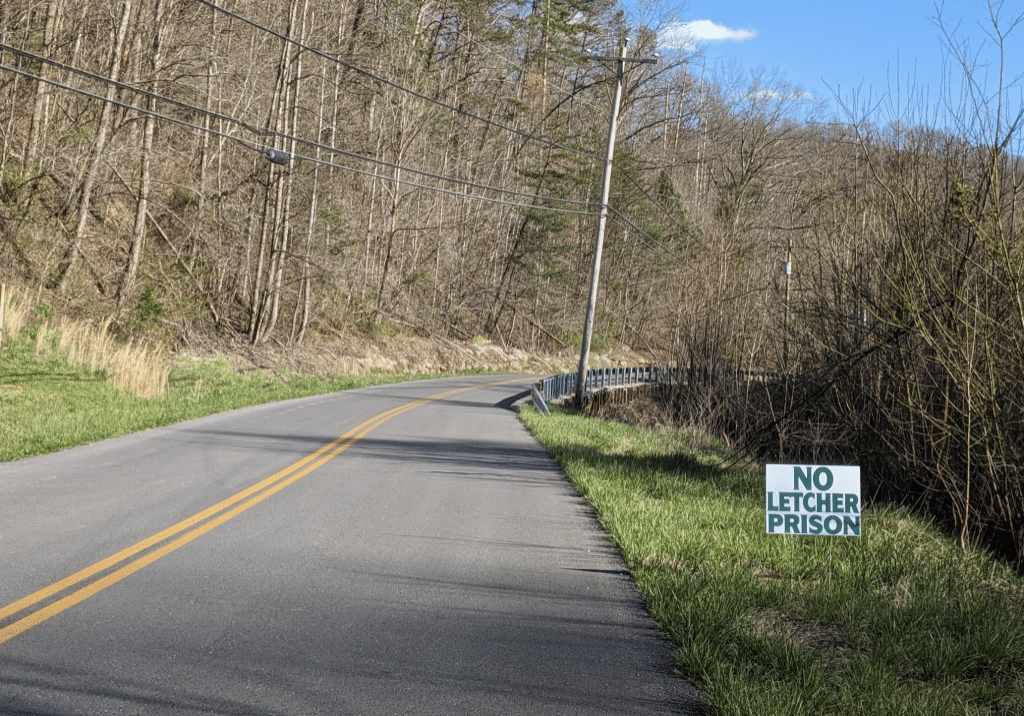
After 20 Years, Letcher County Prison Proposal Is Still Alive, Though Obstacles Remain
A $605 million proposal for a federal prison on a former strip mine site in Letcher County, Kentucky, championed by U.S. Rep. Hal Rogers, refuses to die, despite local opposition, a lack of support from the executive branch and numerous other obstacles.
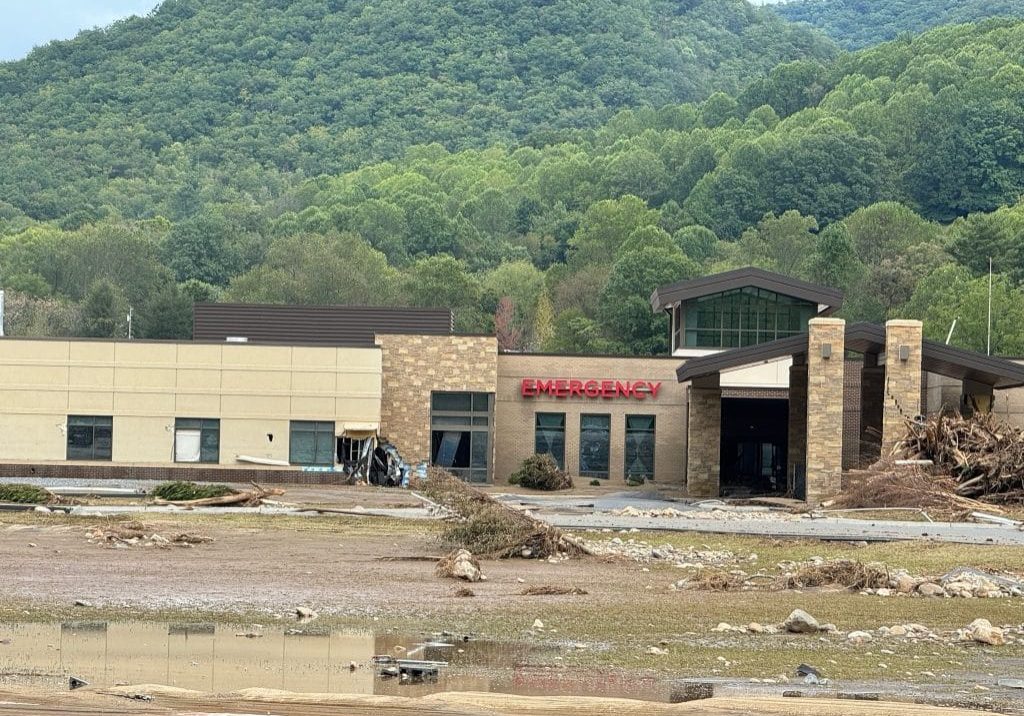
The Washout and Rebuild
For nearly two years, residents of Unicoi County, Tennessee, have had to make do without a hospital after Hurricane Helene destroyed the rural hospital. Ballad Health, which owns the hospital, broke ground on a new location — in another floodplain — in August 2026.

The Shenandoah Salamander
The Shenandoah salamander is a woodland salamander, which has adapted to life at higher elevations away from water. This sparkling rarity lives among the dry leaves, cracked logs, and stony hillocks on the highest peaks of Shenandoah National Park.

‘Foraging Is a Way of Connecting’
Foraging has experienced a modern resurgence, partly because of social media, online groups, the pandemic and people wanting to connect with nature. It also builds community, whether in person or online.

Leave a comment
Your email address will not be published. Required fields are marked *
Leave a Comment