

By Melody Reeves and Chuck Shuford
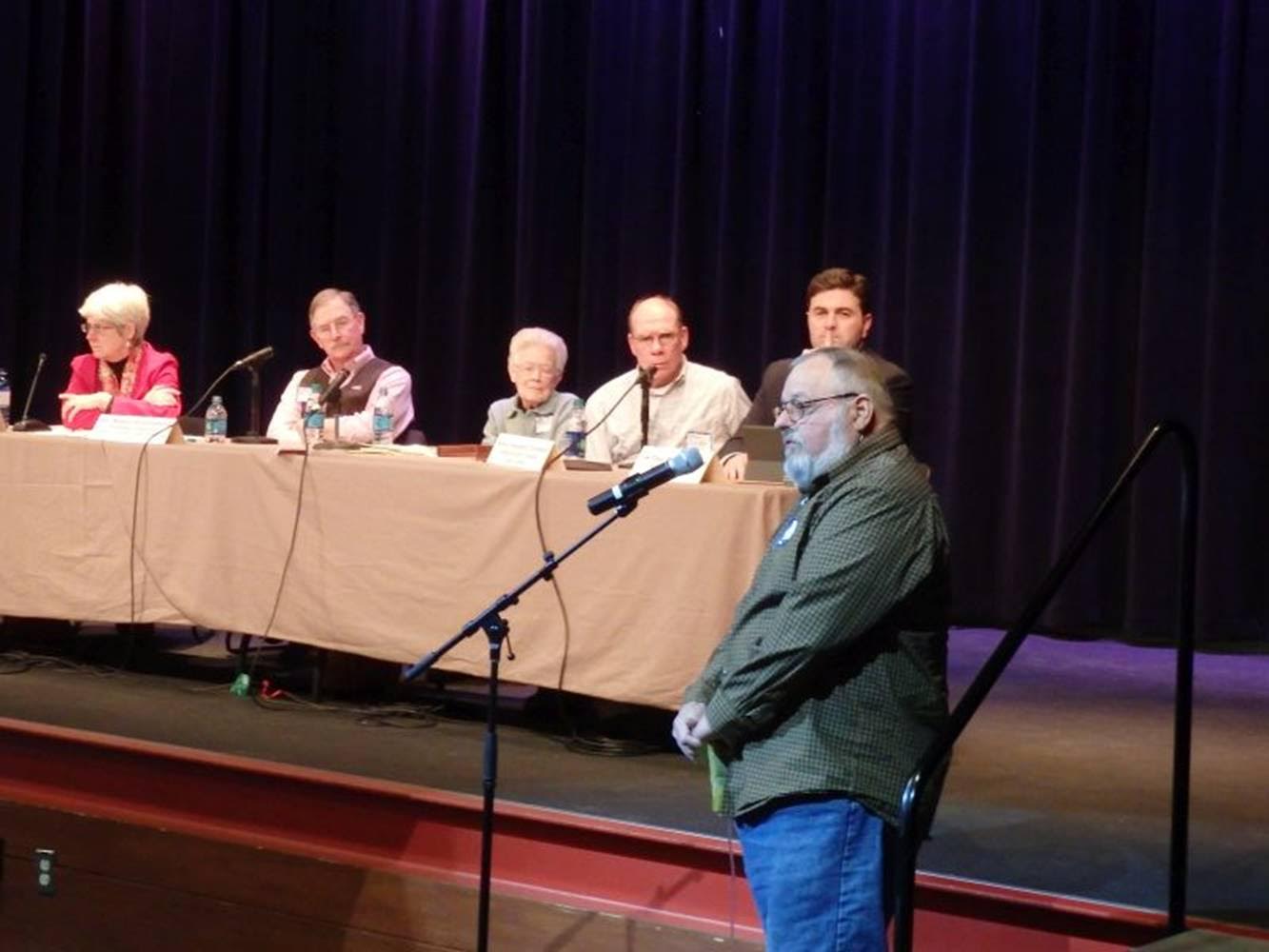
Panelists at the healthcare forum, from left to right: Beth Bingman, Dr. Raymond Feierabend, Beth Davies, Steve Sanders, Jim Dau. Photo by Maxine Kinney
“From 2001 to 2008, medical expenses were the leading cause of bankruptcies in the U.S., and health insurance premiums for family policies increased by 78 percent while the cost of living rose 17 percent,” began Dr. Raymond Feierabend, professor emeritus at the James H. Quillen College of Medicine at East Tennessee State University.
Feierabend was speaking at an educational forum Feb. 22 on the potential impact of repealing the Affordable Care Act, also known as Obamacare.
Over 130 residents from Southwest Virginia attended the public forum at Mountain Empire Community College in Big Stone Gap, Va. The event was sponsored by We Care SW Virginia, a local group of citizens advocating for affordable, high quality health care for all.
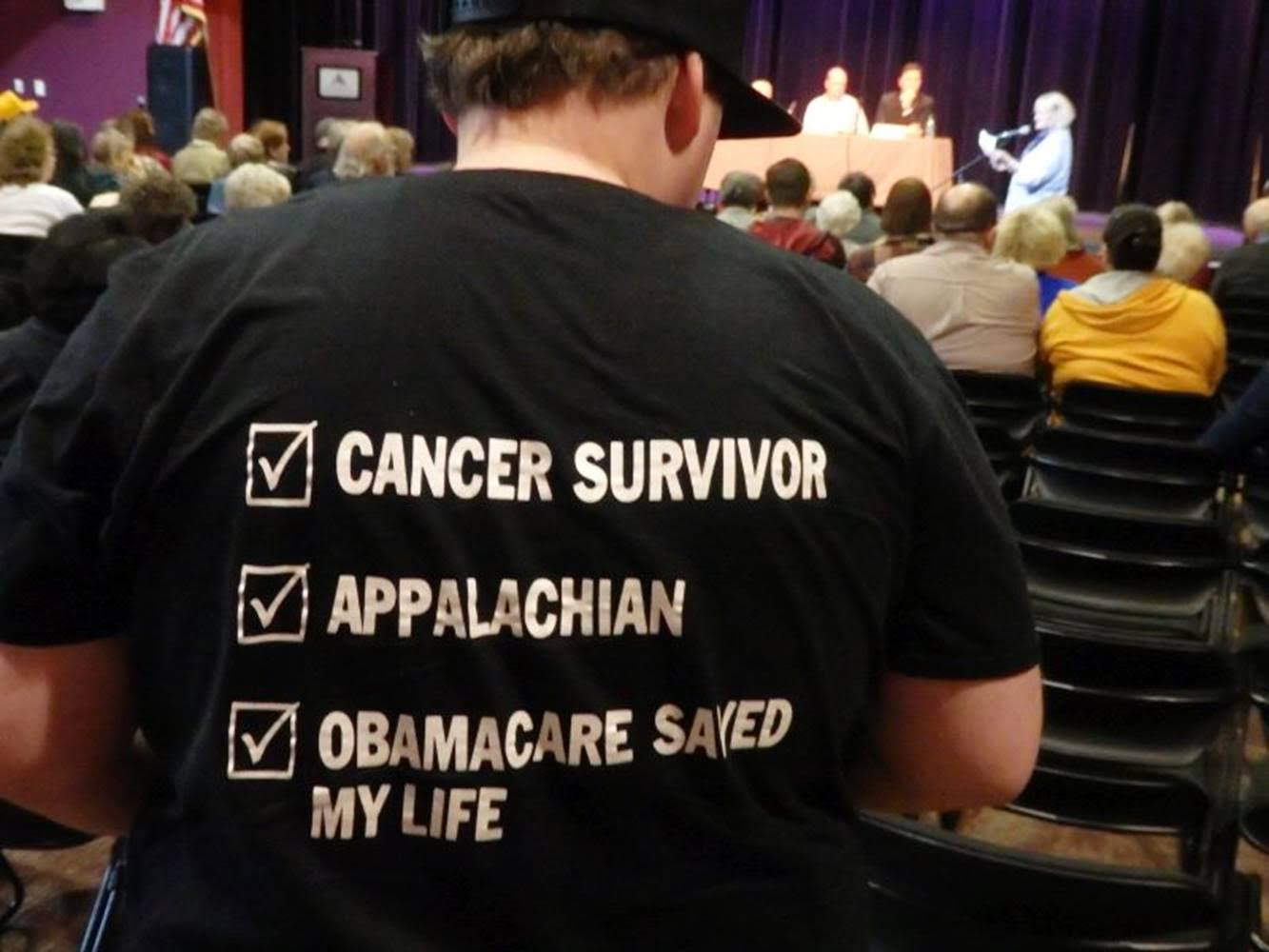
The back of forum attendee Matt Skeens’ t-shirt has a clear message. Photo by Maxine Kinney
Other presenters included Jim Dau, director of Virginia AARP; Beth Davies, director of the Addiction Education Center in Pennington Gap, Va.; and Stephen Sanders, director of Appalachian Citizens’ Law Center in Whitesburg, Ky. Together, the speakers made the case that universal health insurance coverage with access to affordable, comprehensive health care is a key component of any economy that adequately sustains its citizens.
The panelists explained the impact of both the ACA and potential repeal proposals on Medicare, black lung benefits and rural health care. Based on a 2016 bill to repeal and replace the ACA, nonprofit think tank the Urban Institute determined that an estimated 685,000 Virginians would have lost insurance coverage by 2019.
Following the presentations, audience members gave testimony and asked questions. A retired coal miner with black lung disease stated that while not perfect, the ACA offered the best hope so far for those seeking black lung benefits. Under the ACA, it is easier for coal miners who have spent at least 15 years working in the coal industry to get those benefits than it was before the law.
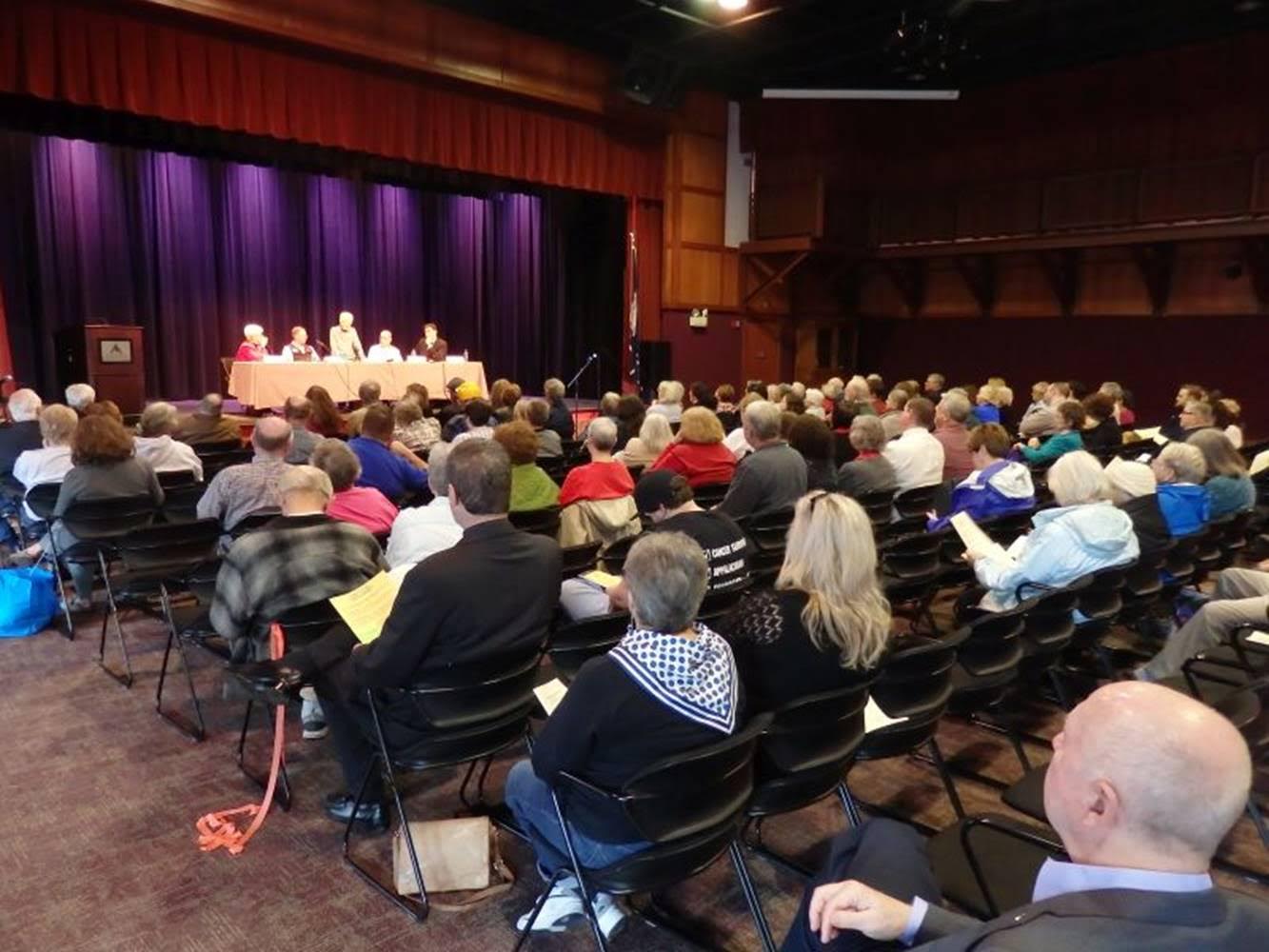
Many Southwest Virginia residents came to the forum to learn more about the potential impacts of changes to the Affordable Care Act.
Ron Short, a resident of Duffield, Va., told how his nephew, who had no health insurance, had gone to the emergency room several times with severe stomach pain and received only pain medication. After receiving insurance through the ACA, his nephew went through a battery of tests that revealed he had cancer. “This is what people face every day,” said Short.
We Care spokesperson Peggy Mathews said that the purpose of the forum was to help people understand how the ACA affects them and inspire them to communicate any concerns about changes to the health care law to their federal senators and representatives.
Related Articles
Latest News
More Stories
Neighbors Help Neighbors
A photo essay that celebrates the volunteer spirit of the grassroots group Hurricane Helene WNC and speaks to the resourcefulness, collaboration and hard work embodied by thousands and thousands of volunteers, first responders and aid workers across the region after Hurricane Helene.

Halloween Approaches, and Night School Is in Session
The House of Art in Bluefield, West Virginia, looks like a haunted tower, making it the perfect location for its sixth annual haunt event: Night School. The Night School will be open every Friday and Saturday night through Oct. 31.
‘The Most Perfect Act of Love’
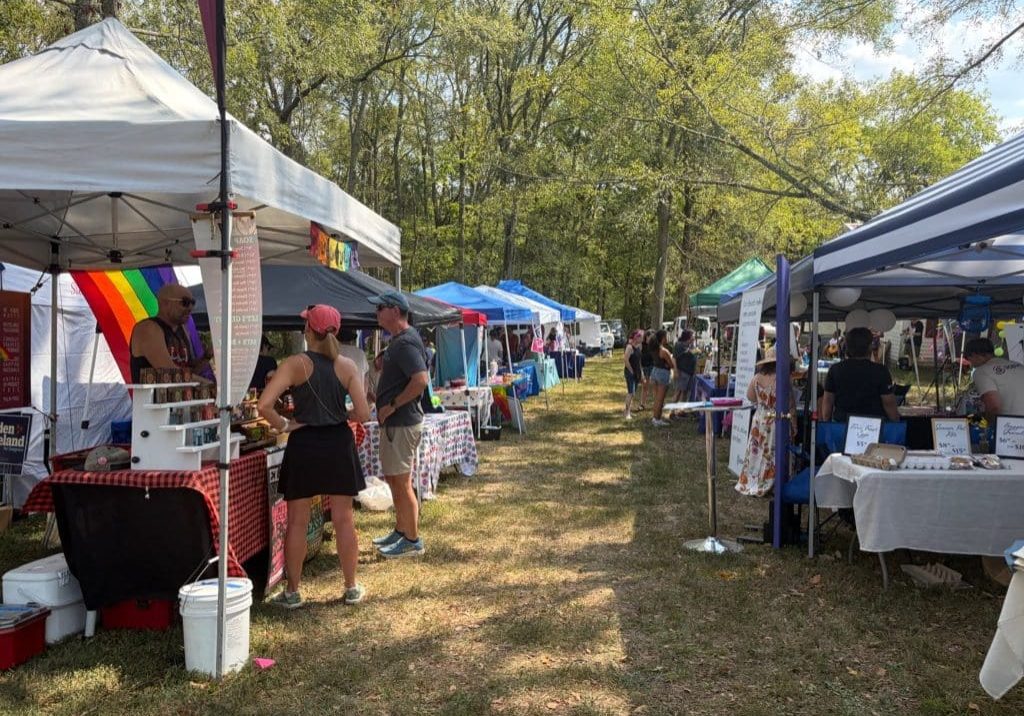
Hundreds of people attended the second annual Affirming Sumner Pride celebration on a 24-acre farm dubbed “Fruity Farm” in Bethpage, Sumner County, Tennessee.

Signs of Life: Endangered Bats Found in Nantahala for First Time in More Than a Decade
In the Nantahala National Forest, a team of biologists spotted Indiana bats, an endangered species that hasn’t been seen in North Carolina for the last 11 years.
‘First Line of Defense’
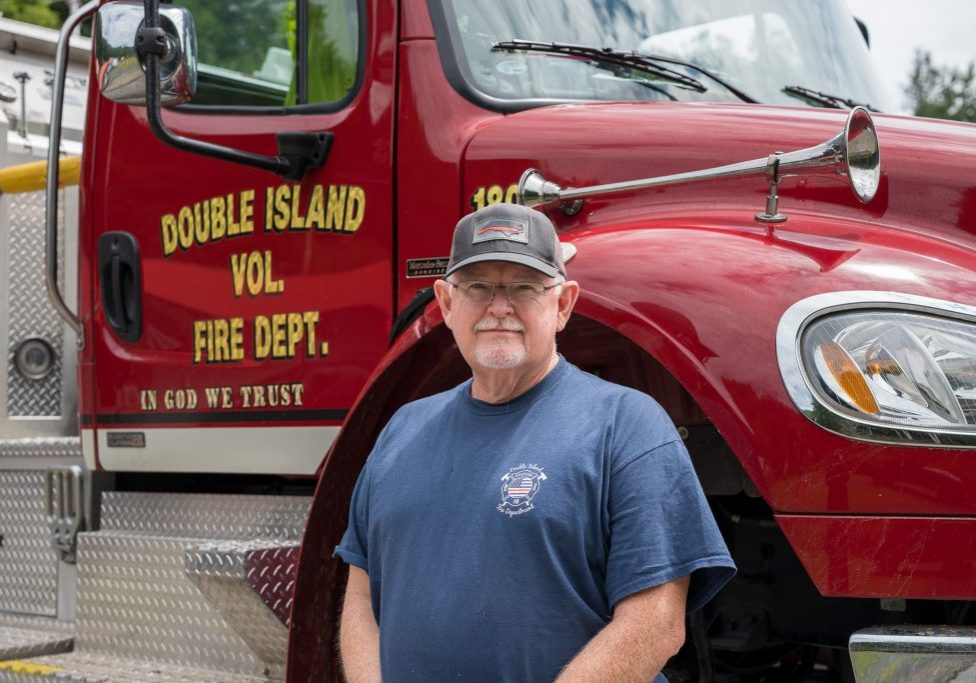
During Hurricane Helene and its aftermath, rural fire departments and other first responder hubs played critical roles in keeping their communities safe, even without power and cut off from outside support for days or weeks after the storm. Two years later, plenty of work remains to ensure these hubs have the resources they need to operate day to day and be ready when emergencies or natural disasters strike.
The Rocky Road — and Bridge — to Recovery
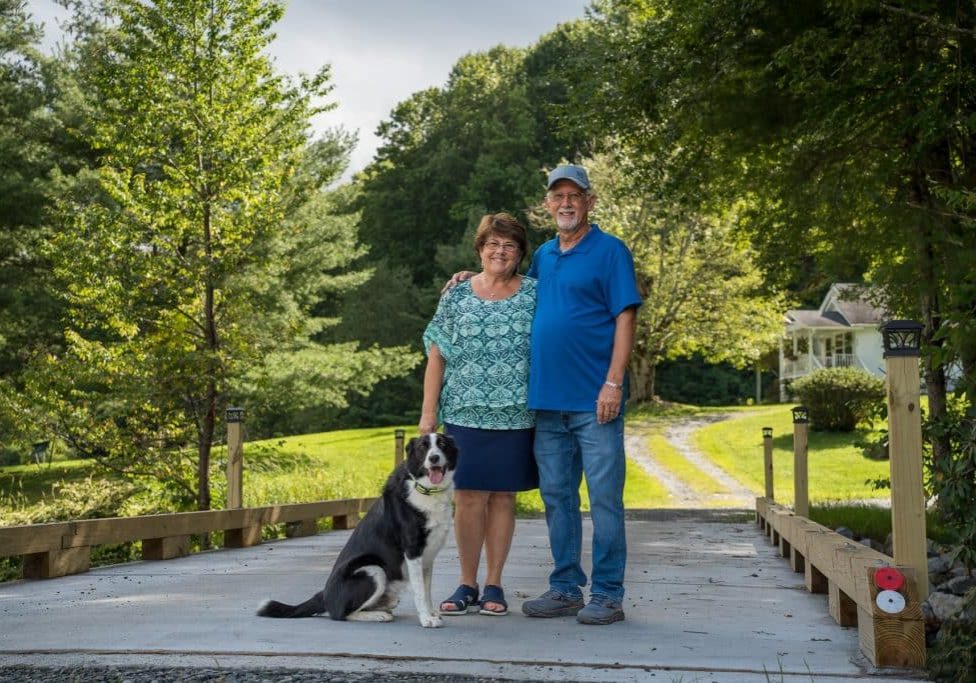
Hurricane Helene is estimated to have damaged nearly 7,000 private roads and bridges in Western North Carolina. Two years later, many restoration projects are complete, but the journey hasn’t been easy — and isn’t over for others.

Leave a comment
Your email address will not be published. Required fields are marked *
2 responses to “Southwest Virginia Residents Hold Healthcare Forum”
-

While it’s wonderful to encourage people to express their concerns to their congressmen, it would also be wise to encourage people to do the same with their state representatives, given that the people’s state representatives voted against expanding Medicaid as the Affordable Care Act had been intended. That forces a lot of people to rely on the charity of the Remote Area Medical clinics, but that only provides healthcare once a year and typically outside in stifling heat, not in a doctor’s office with air conditioning.
-
Thanks for holding this forum, We Care, and thanks so much to Reeves and Shuford for writing this piece. Southwest Virginia is hurting, and there is so much misinformation being circulated about the Affordable Care Act in this region.
Wonderful to urge people to communicate their concerns to their congressmen, but it would be good to also communicate concerns to their state representatives, given that the people’s state reps voted to NOT expand Medicaid as the Affordable Care Act had been planned. That leaves a lot of people having to depend on the charity of the Remote Area Medical clinics, but that’s just once-a-year health care and usually in sweltering heat, not a physician’s air-conditioned office.
Keep up the good work! Our people are worth it!


Leave a Comment