

By Brian Sewell
A series of recent actions by the federal Office of Surface Mining Reclamation and Enforcement reflect the realities of the coal industry’s precarious financial position and the profound impacts mining has on nearby communities.
In August, the agency began a rulemaking process to strengthen regulations on self-bonding, a practice that allows coal companies to use their financial history to insure the cost of restoring the land after mining, rather than requiring collateral or a more secure bond.
Self-bonding has come under intense scrutiny as some of the nation’s largest coal companies have gone bankrupt while responsible for billions of dollars in unfunded mine cleanup costs. Goals for the reforms include modified eligibility standards and third-party review of companies’ financial statements.
Earlier that month, the agency announced that it will fund a $1 million review by the National Academy of Sciences of current research on the links between surface coal mining and human health risks. The move was applauded by environmentalists and public interest groups, but described as long overdue.
Two dozen peer-reviewed studies dating back to 2007 have found correlations between mountaintop removal coal mining and increased rates of cancer, heart and respiratory diseases, and other negative health outcomes in surrounding communities.
Related Articles
Latest News
More Stories
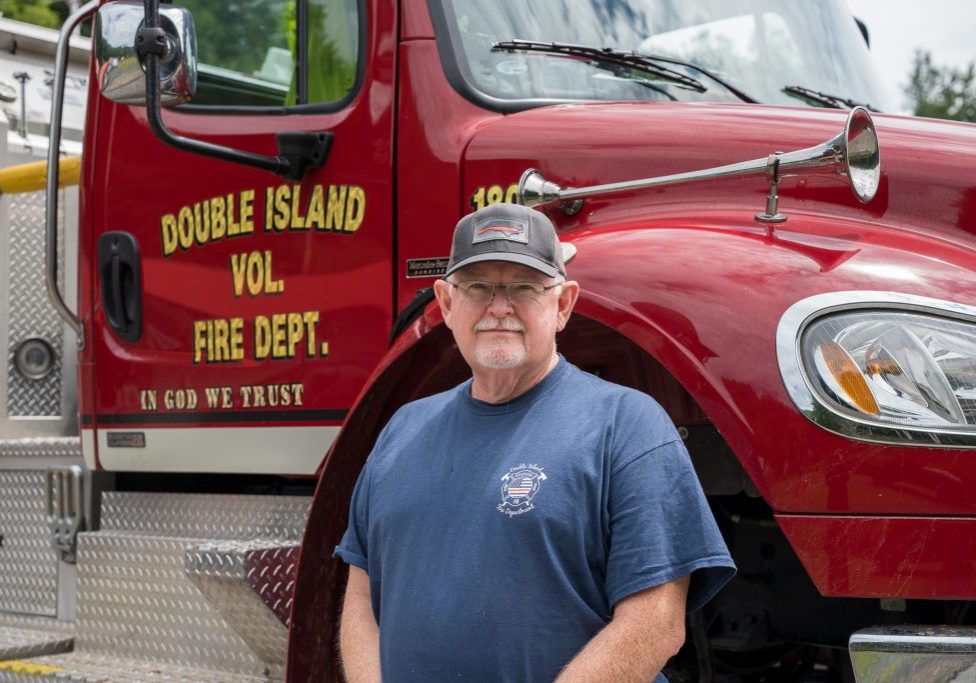
‘First Line of Defense’
During Hurricane Helene and its aftermath, rural fire departments and other first responder hubs played critical roles in keeping their communities safe, even without power and cut off from outside support for days or weeks after the storm. Two years later, plenty of work remains to ensure these hubs have the resources they need to operate day to day and be ready when emergencies or natural disasters strike.
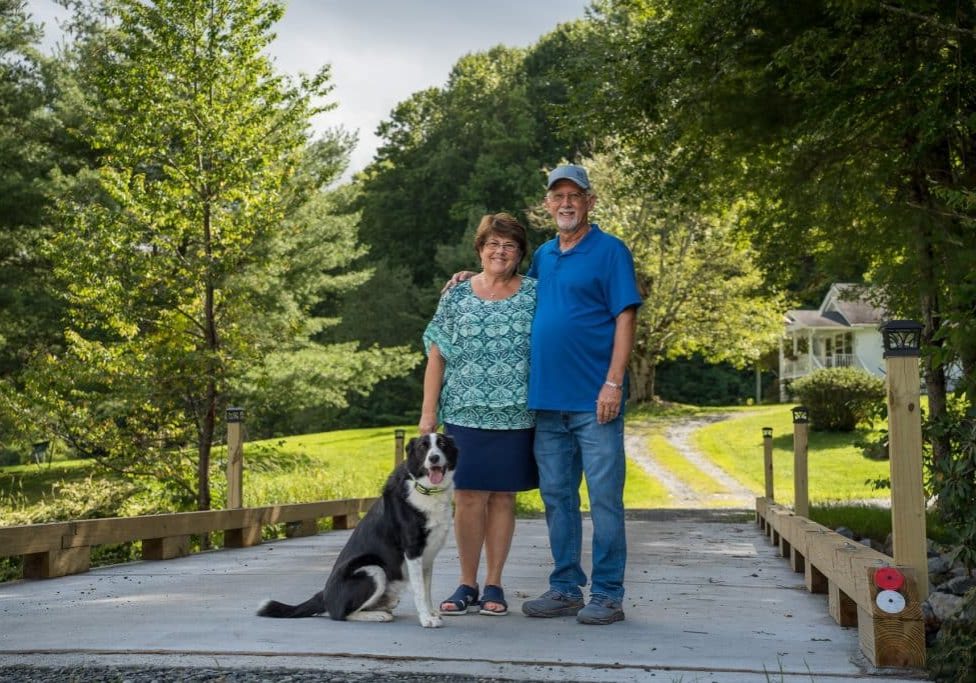
The Rocky Road — and Bridge — to Recovery
Hurricane Helene is estimated to have damaged nearly 7,000 private roads and bridges in Western North Carolina. Two years later, many restoration projects are complete, but the journey hasn’t been easy — and isn’t over for others.
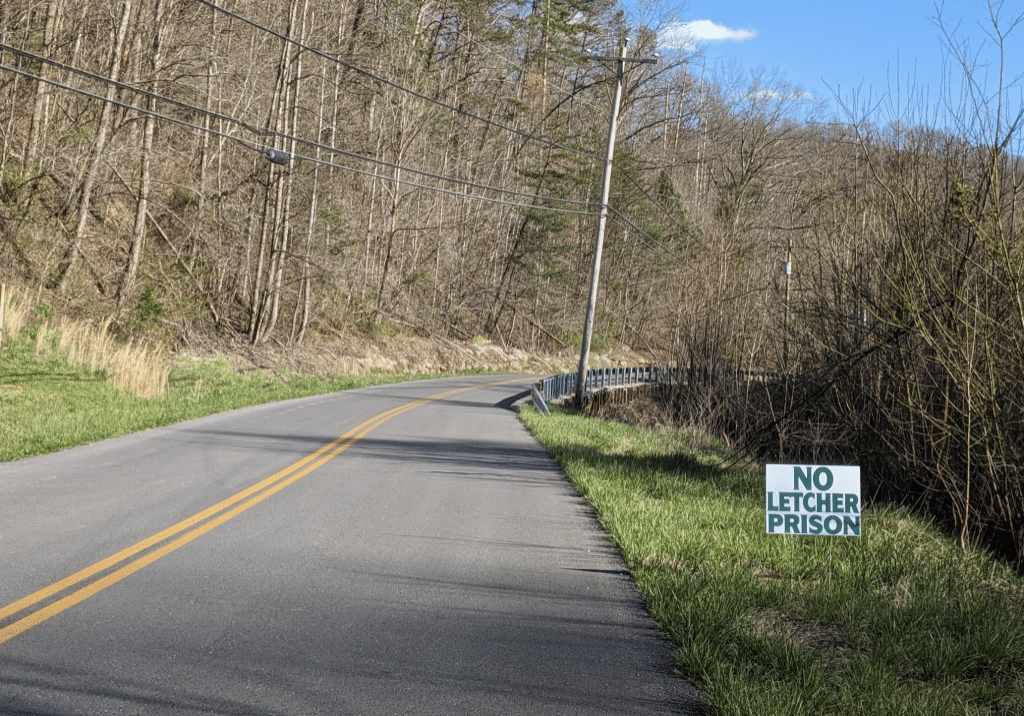
After 20 Years, Letcher County Prison Proposal Is Still Alive, Though Obstacles Remain
A $605 million proposal for a federal prison on a former strip mine site in Letcher County, Kentucky, championed by U.S. Rep. Hal Rogers, refuses to die, despite local opposition, a lack of support from the executive branch and numerous other obstacles.
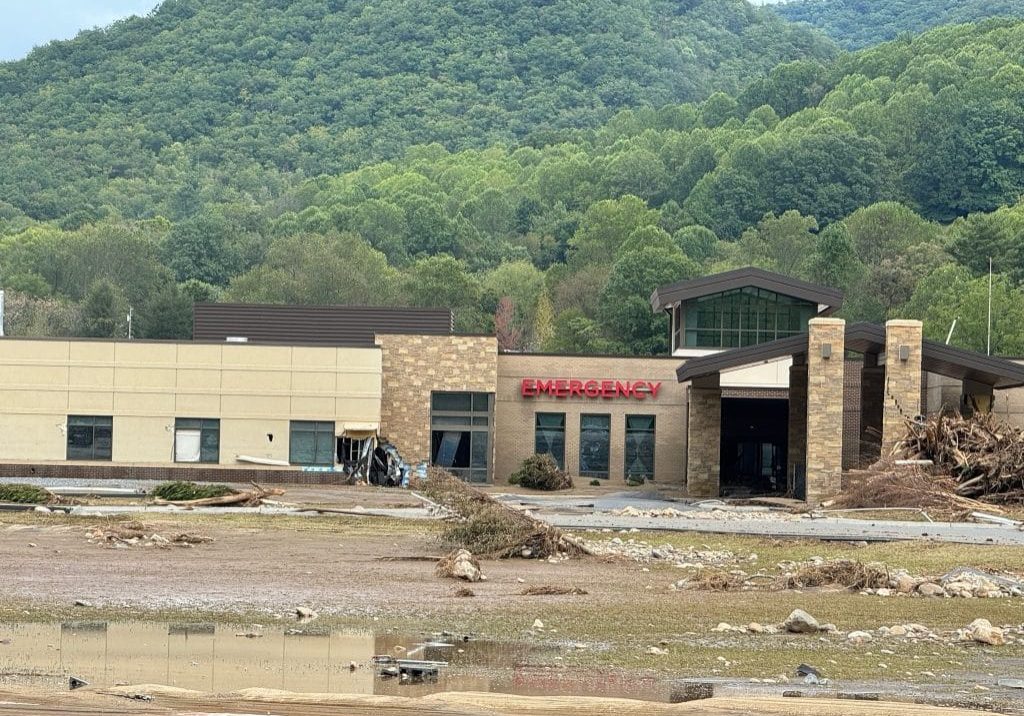
The Washout and Rebuild
For nearly two years, residents of Unicoi County, Tennessee, have had to make do without a hospital after Hurricane Helene destroyed the rural hospital. Ballad Health, which owns the hospital, broke ground on a new location — in another floodplain — in August 2026.

The Shenandoah Salamander
The Shenandoah salamander is a woodland salamander, which has adapted to life at higher elevations away from water. This sparkling rarity lives among the dry leaves, cracked logs, and stony hillocks on the highest peaks of Shenandoah National Park.
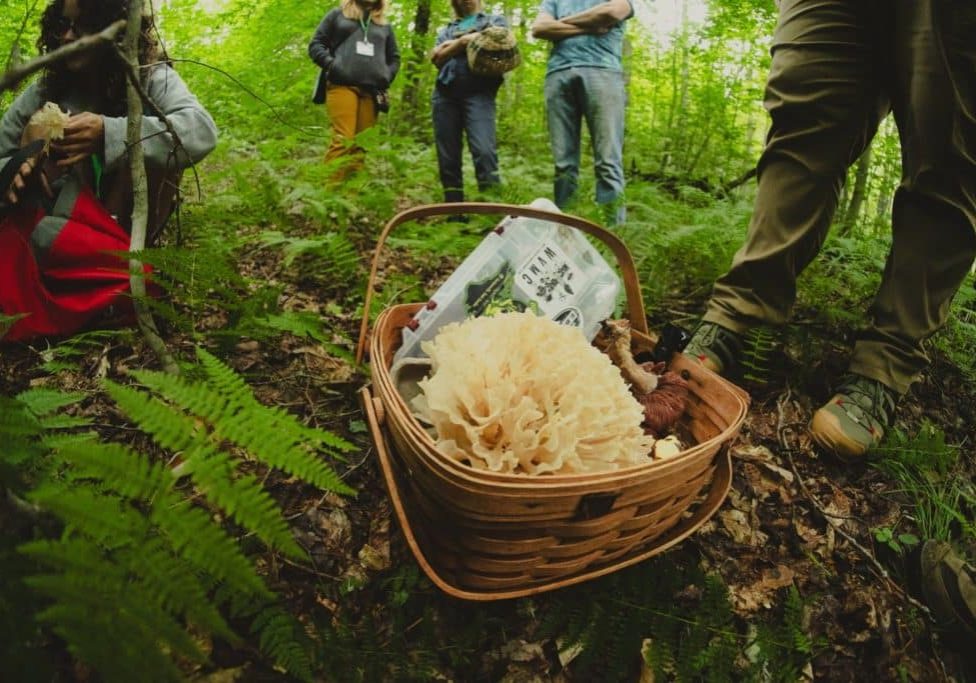
‘Foraging Is a Way of Connecting’
Foraging has experienced a modern resurgence, partly because of social media, online groups, the pandemic and people wanting to connect with nature. It also builds community, whether in person or online.

Leave a comment
Your email address will not be published. Required fields are marked *
Leave a Comment