

By Savannah Clemmons
This spring, forest fires throughout southern and central Appalachia burned wider than fires of previous seasons. The increase in intensity came as peak wildfire season overlapped with a period of particularly dry weather throughout the Appalachian region.
Lisa Jennings, a public information officer at the U.S. Forest Service, says that because of the wet winter, the spring 2016 wildfire season began slowly. However, as central and southern Appalachia experienced a two-to-three week period with little rainfall at the beginning of April, the brush dried out, resulting in near perfect conditions for wildfires.
According to Jennings, North Carolina’s most unique fire of the season was the Silver Mine fire that burned near Hot Springs, N.C., in late April. Due to its size and proximity to the town, the fire posed a bigger threat to ecosystems and the public than typical forest fires. The Silver Mine fire took two weeks to extinguish and resulted in a total of 5,964 acres burned.
Throughout April, wildfires continued to grow in intensity. The Starlight fire in Greene County, Tenn., burned 90 acres, the equivalent of nearly half the total amount of acres burned in the area between 2003 and 2015.
In Virginia’s Shenandoah National Park, the Rocky Mountain fire burned over 10,000 acres in what is considered to be the park’s second-largest fire on record. The Rocky Mountain fire, along with the Silver Mine and Buck Knob fires in North Carolina, closed several sections of state parks and the Appalachian Trail.
When confronted with especially dry weather conditions during peak wildfire season, it is important for humans to recognize their own influence. “Ninety-nine percent of wildfires are human caused,” Jennings states.
Flames from debris fires account for a large amount of human-caused wildfires. In spring 2015, 43 percent of all forest fires in West Virginia were caused by escaped debris from campfires.
While low-intensity forest fires can replenish forests, high-intensity fires such as those that have burned this season can jeopardize ecosystems by damaging canopy habitats. In order to prevent high-intensity fires that threaten communities and natural areas, Jennings says that individuals must “use common sense,” follow cautions and restrictions released by the forest service, and recognize weather patterns that could increase fire danger.
Related Articles
Latest News
More Stories

Signs of Life
In the Nantahala National Forest, a team of biologists spotted Indiana bats, an endangered species that hasn’t been seen in North Carolina for the last 11 years.

‘First Line of Defense’
During Hurricane Helene and its aftermath, rural fire departments and other first responder hubs played critical roles in keeping their communities safe, even without power and cut off from outside support for days or weeks after the storm. Two years later, plenty of work remains to ensure these hubs have the resources they need to operate day to day and be ready when emergencies or natural disasters strike.

The Rocky Road — and Bridge — to Recovery
Hurricane Helene is estimated to have damaged nearly 7,000 private roads and bridges in Western North Carolina. Two years later, many restoration projects are complete, but the journey hasn’t been easy — and isn’t over for others.
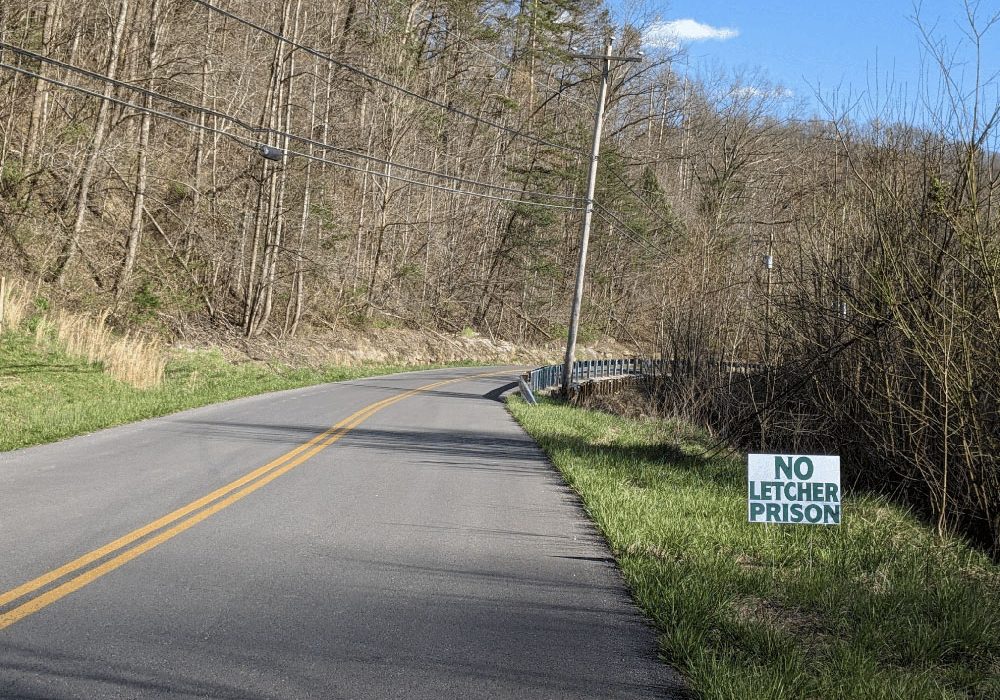
After 20 Years, Letcher County Prison Proposal Is Still Alive, Though Obstacles Remain
A $605 million proposal for a federal prison on a former strip mine site in Letcher County, Kentucky, championed by U.S. Rep. Hal Rogers, refuses to die, despite local opposition, a lack of support from the executive branch and numerous other obstacles.
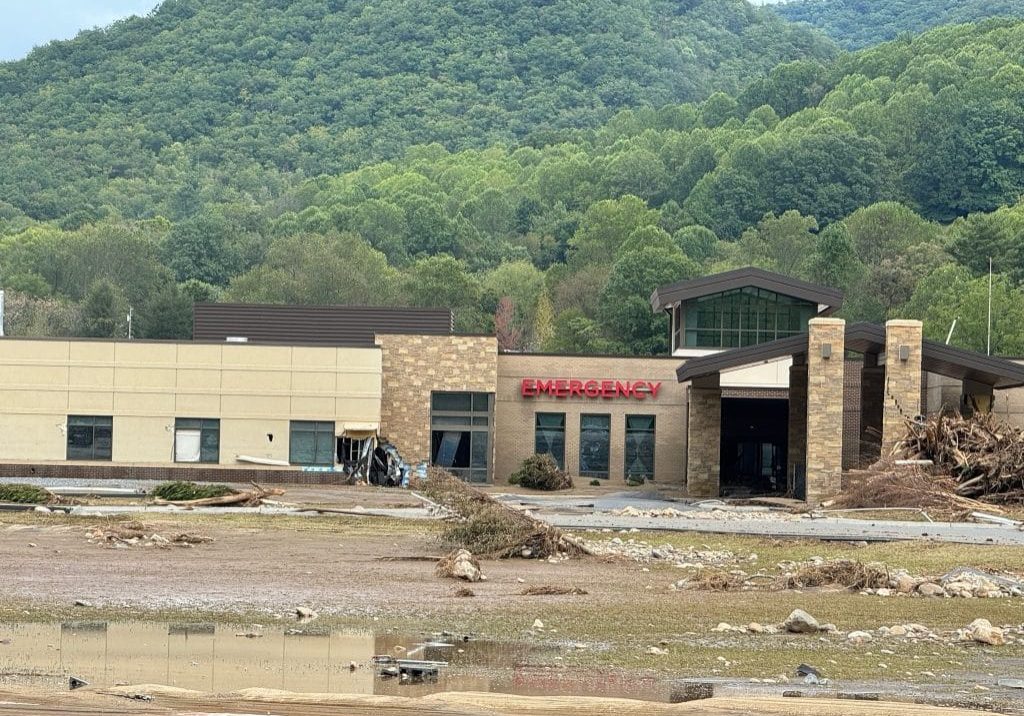
The Washout and Rebuild
For nearly two years, residents of Unicoi County, Tennessee, have had to make do without a hospital after Hurricane Helene destroyed the rural hospital. Ballad Health, which owns the hospital, broke ground on a new location — in another floodplain — in August 2026.

The Shenandoah Salamander
The Shenandoah salamander is a woodland salamander, which has adapted to life at higher elevations away from water. This sparkling rarity lives among the dry leaves, cracked logs, and stony hillocks on the highest peaks of Shenandoah National Park.

Leave a comment
Your email address will not be published. Required fields are marked *
Leave a Comment