

By Brian Sewell
Data reported by the U.S. Energy Information Administration in July shows a steep decline in coal produced by mountaintop removal mining in three central Appalachian states.
According to the agency, production from mountaintop removal mines in Kentucky, West Virginia and Virginia fell 62 percent between 2008 and 2014, while surface coal mining production nationwide decreased by 21 percent over the same period.
Analysts say this recent data reinforces national trends depressing demand for coal and expanding the roles of natural gas and renewable energy. But environmental groups caution that the figures may be misleading and raise questions about what constitutes “mountaintop removal.”
“The amount of coal being mined doesn’t convey the extent of surface mining’s environmental or human health impacts,” Appalachian Voices Legislative Associate Thom Kay says. “Mine location, blasting extent, and water quality problems are much more important indicators of the damage done to communities.”
Several factors make singling out mountaintop removal production difficult. The EIA pointed out in its report that a variety of other surface mining techniques can be performed on sites where mountaintop removal is also used. Also, mines that Appalachian residents and environmental groups refer to as mountaintop removal are sometimes not considered as such under the Surface Mine Control and Reclamation Act.
Mines that span the “upper fraction of a mountain” or cross a ridgeline and are exempt from returning the land to its “approximate original contour” are generally considered by state and federal regulators to be mountaintop removal operations. But other surface mines that clearcut forests, blast away ridgelines and dump waste into adjacent valleys are not.
In recent years, this nuance has allowed Appalachian coal companies to dispute their reputation for using mountaintop removal. Alpha Natural Resources, for example, has active surface mines in West Virginia and Virginia, and is currently seeking a permit for an 847-acre surface mine in West Virginia’s Coal River Valley. But the company claims it has not used mountaintop removal since the end of 2013 and has no plans to this year.
Related Articles
Latest News
More Stories

Increasing Human-Bear Conflict Prompts Legislation, Need for More Public Awareness
Experts report human-bear conflicts are on the rise in Western North Carolina, East Tennessee and other parts of the country due to an increasing bear population, development encroaching on bear habitat and other factors.

Planting for the Grandkids
Gardening from memory is getting trickier in Appalachia as hardiness zones change. Some areas, like parts of Asheville, Knoxville and Johnson City, have shifted full hardiness zones since 1990. An arborist explains what this shift means for the trees you plant this fall, and for the grandchildren who’ll live with them.
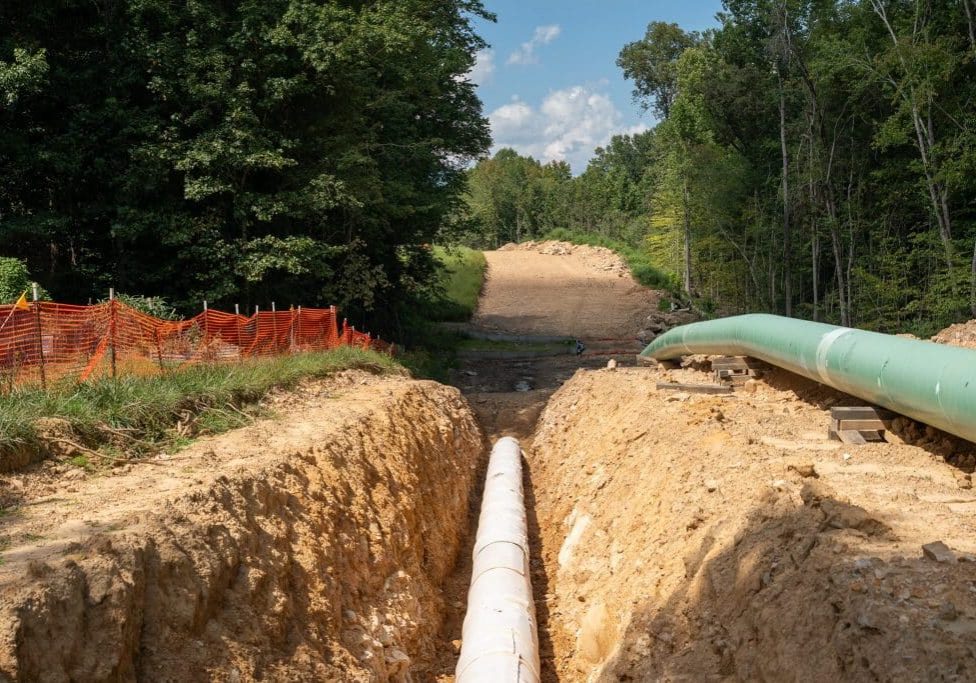
Ridgeline Pipeline Construction Impacts in Rural East Tennessee
Neighbors share concerns about noise, unpredictable construction schedules and other disruptions due to methane gas pipeline construction in East Tennessee.
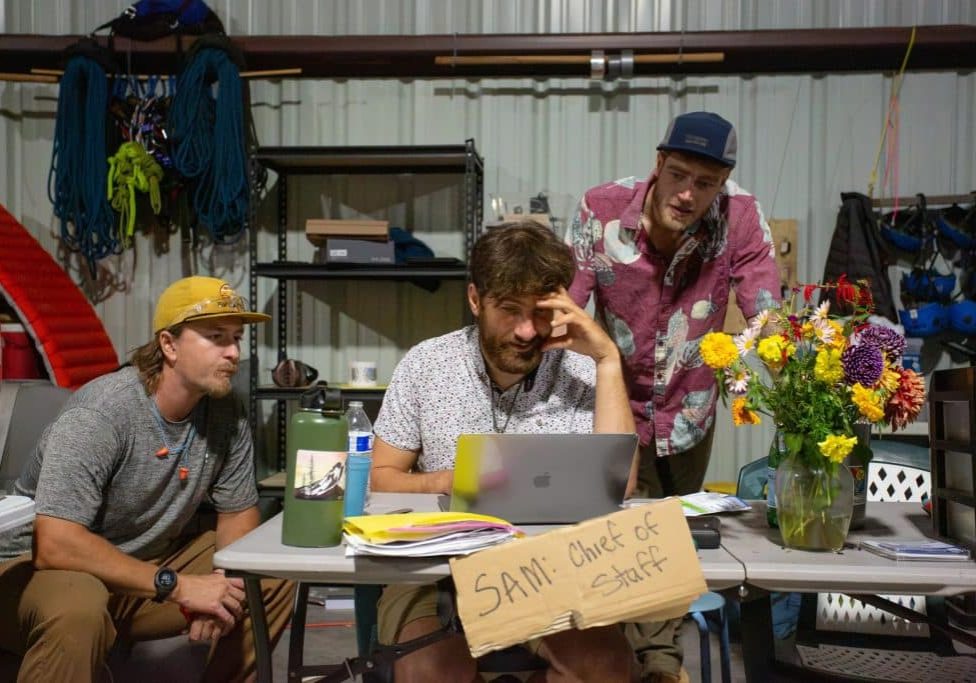
Neighbors Help Neighbors
A photo essay that celebrates the volunteer spirit of the grassroots group Hurricane Helene WNC and speaks to the resourcefulness, collaboration and hard work embodied by thousands and thousands of volunteers, first responders and aid workers across the region after Hurricane Helene.

Halloween Approaches, and Night School Is in Session
The House of Art in Bluefield, West Virginia, looks like a haunted tower, making it the perfect location for its sixth annual haunt event: Night School. The Night School will be open every Friday and Saturday night through Oct. 31.
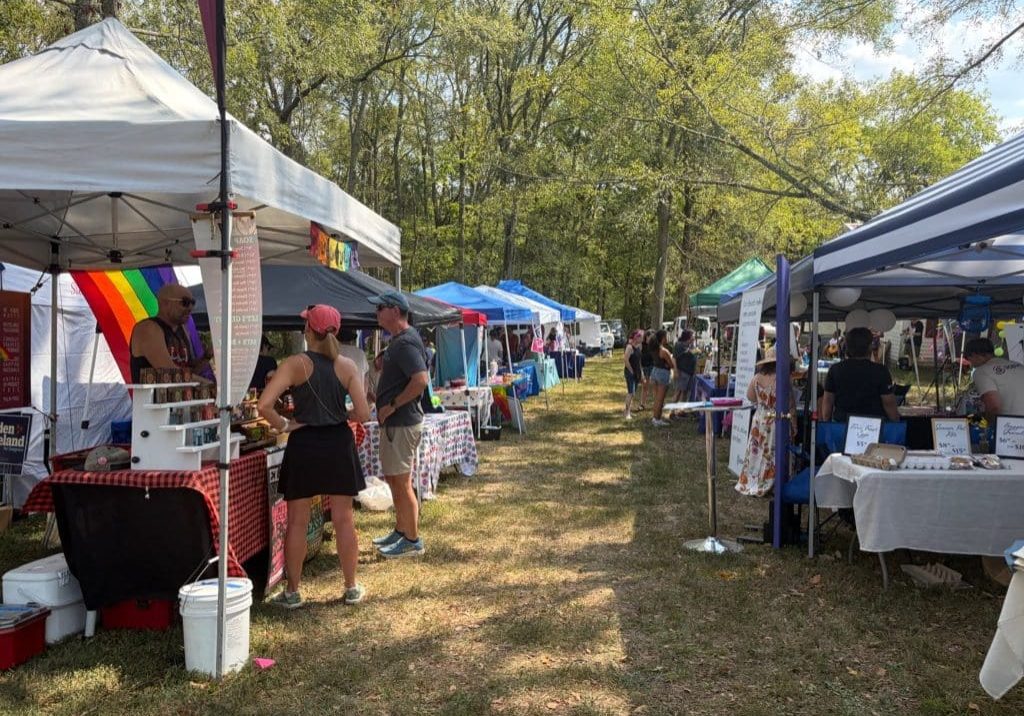
‘The Most Perfect Act of Love’
Hundreds of people attended the second annual Affirming Sumner Pride celebration on a 24-acre farm dubbed “Fruity Farm” in Bethpage, Sumner County, Tennessee.

Leave a comment
Your email address will not be published. Required fields are marked *
Leave a Comment