

By Brian Sewell
A section of historic Blair Mountain is off-limits to mountaintop removal coal mining until at least 2018 when the permit comes up for renewal.
An order issued by the West Virginia Department of Environmental Protection prohibits Aracoma Coal, a subsidiary of Alpha Natural Resources, from mining within 1,000 feet of the mountain’s historic battlefield. According to the DEP, the order affects about 50 to 60 acres of the company’s 1,100-acre Camp Branch surface mine permit, which encompasses the southern portion of the battlefield.
The news was announced by Friends of Blair Mountain, a group dedicated to the preservation of the Blair Mountain Battlefield, after site visits and meetings with the DEP revealed that a 1,000-foot buffer included in a Clean Water Act permit issued by the U.S. Army Corps of Engineers was absent from the state permit.
In 2009, the 1,600-acre battlefield was briefly added to the National Register of Historic Places, but was delisted after a successful campaign led by Alpha and Arch Coal, which has also received permits to mine near the battlefield.
In 1921, more than 10,000 miners attempting to unionize the southern West Virginia coalfields revolted against armed coal company guards in Logan County. The battle remains one of the largest civil uprisings in American history.
Amid Debate, EPA Releases Proposed Selenium Criteria
By Brian Sewell
Selenium is often discharged from mountaintop removal coal mines and is difficult for mine operators to prevent and expensive to clean up — challenges that have favored environmental groups in lawsuits against coal companies. But federal standards for selenium proposed in May by the U.S. Environmental Protection Agency could make limits harder to test for and enforce.
The EPA’s proposed standards rely primarily on testing for the pollutant in fish tissue. Environmental groups contend that not only is a fish tissue-based system more expensive for states to enforce, but it will make it nearly impossible for citizens to exercise their rights under the Clean Water Act, since collecting fish to test for pollution generally requires a special permit.
Critics of the proposal also say it could be difficult to determine — and prove in court — exactly where fish may have accumulated illegal levels of selenium along waterways with multiple pollution discharge points.
The proposed standards also include water-based limits using a 30-day average concentration of the pollutant in streams.
While the standards themselves are not a regulation and do not include legally binding requirements, they could pave the way for states to adopt similarly complex testing methods and gain EPA approval.
Last year, the EPA approved weakened selenium standards in Kentucky, prompting a coalition of environmental groups including Appalachian Voices to sue the agency. West Virginia and Virginia have also moved to weaken standards.
Related Articles
Latest News
More Stories

Neighbors Help Neighbors
A photo essay that celebrates the volunteer spirit of the grassroots group Hurricane Helene WNC and speaks to the resourcefulness, collaboration and hard work embodied by thousands and thousands of volunteers, first responders and aid workers across the region after Hurricane Helene.

Halloween Approaches, and Night School Is in Session
The House of Art in Bluefield, West Virginia, looks like a haunted tower, making it the perfect location for its sixth annual haunt event: Night School. The Night School will be open every Friday and Saturday night through Oct. 31.

‘The Most Perfect Act of Love’
Hundreds of people attended the second annual Affirming Sumner Pride celebration on a 24-acre farm dubbed “Fruity Farm” in Bethpage, Sumner County, Tennessee.

Signs of Life: Endangered Bats Found in Nantahala for First Time in More Than a Decade
In the Nantahala National Forest, a team of biologists spotted Indiana bats, an endangered species that hasn’t been seen in North Carolina for the last 11 years.

‘First Line of Defense’
During Hurricane Helene and its aftermath, rural fire departments and other first responder hubs played critical roles in keeping their communities safe, even without power and cut off from outside support for days or weeks after the storm. Two years later, plenty of work remains to ensure these hubs have the resources they need to operate day to day and be ready when emergencies or natural disasters strike.
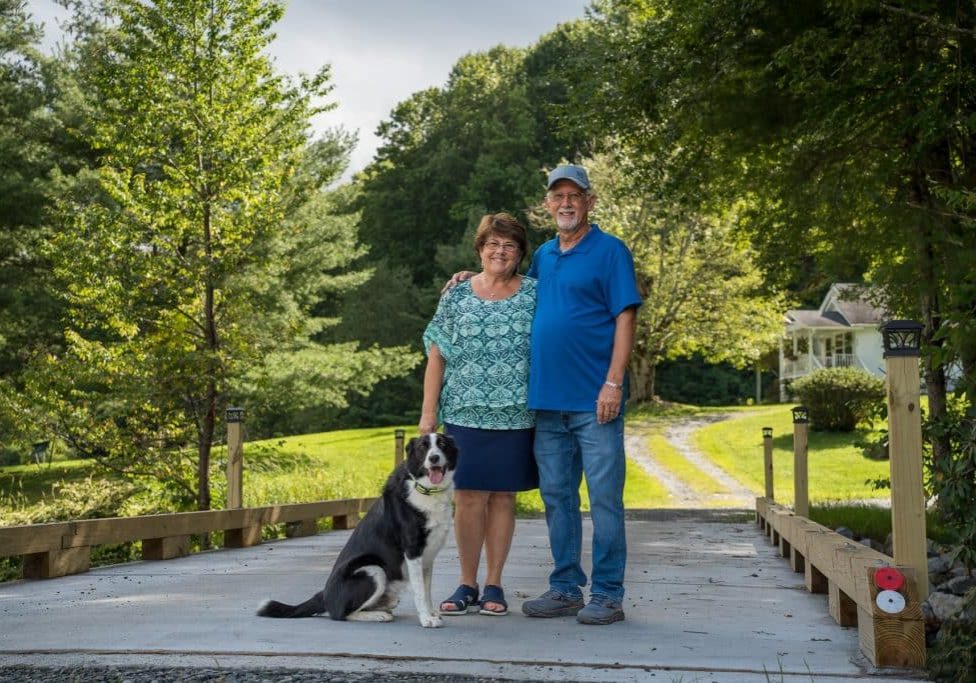
The Rocky Road — and Bridge — to Recovery
Hurricane Helene is estimated to have damaged nearly 7,000 private roads and bridges in Western North Carolina. Two years later, many restoration projects are complete, but the journey hasn’t been easy — and isn’t over for others.

Leave a comment
Your email address will not be published. Required fields are marked *
Leave a Comment