

Home Grown: Saving Appalachian History – One Seed at a Time
By Julie Johnson
Appalachia’s growers are encouraging crop diversity and saving heirloom vegetable varieties from extinction by creating a network of seed saving and swapping.
Heirloom fruits and vegetables are often far tastier than their supermarket cousins and express characteristics that have been developed by generations of natural growth in backyard gardens and small farms.
From the yellow-striped Green Zebra tomato to the Dark Pot Liquor butterbean to the crimson Bloody Butcher corn, heirloom varieties deliver diversity in agriculture and allow each grower to bring something unique to market.
There are many organizations and seed swap events in and around Appalachia that promote planting heirloom varieties and help growers save and share their seeds after harvest.
The Southern Seed Legacy (SSL), based out of the University of Georgia’s Anthropology department, has numerous research farms and operates a program called “Pass Along Southern Seed” (PASS.) For a $15 annual membership, you can order any of 130 heirloom seeds from their seed bank. Once successfully grown, you must keep one-third of the next generation for yourself, pass one-third to another grower and return one-third to SSL.
Check in your area for seed swaps near you.
Related Articles
Latest News
More Stories
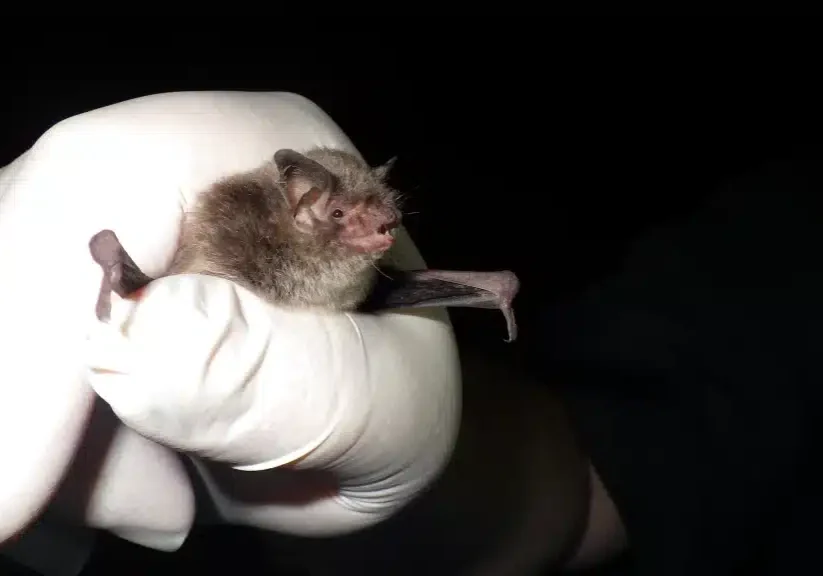
Signs of Life
In the Nantahala National Forest, a team of biologists spotted Indiana bats, an endangered species that hasn’t been seen in North Carolina for the last 11 years.
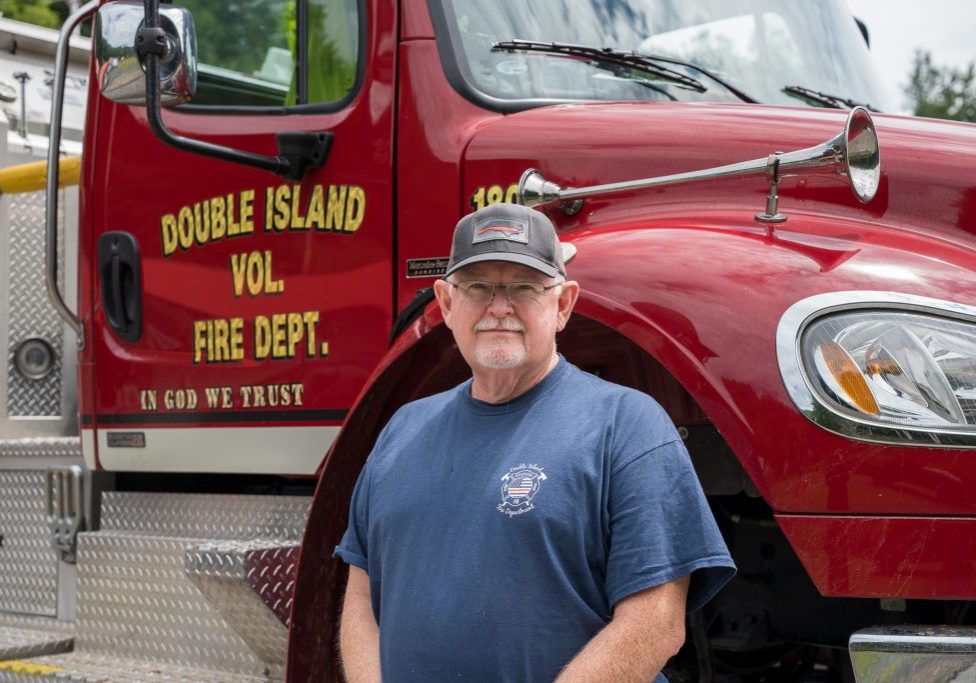
‘First Line of Defense’
During Hurricane Helene and its aftermath, rural fire departments and other first responder hubs played critical roles in keeping their communities safe, even without power and cut off from outside support for days or weeks after the storm. Two years later, plenty of work remains to ensure these hubs have the resources they need to operate day to day and be ready when emergencies or natural disasters strike.
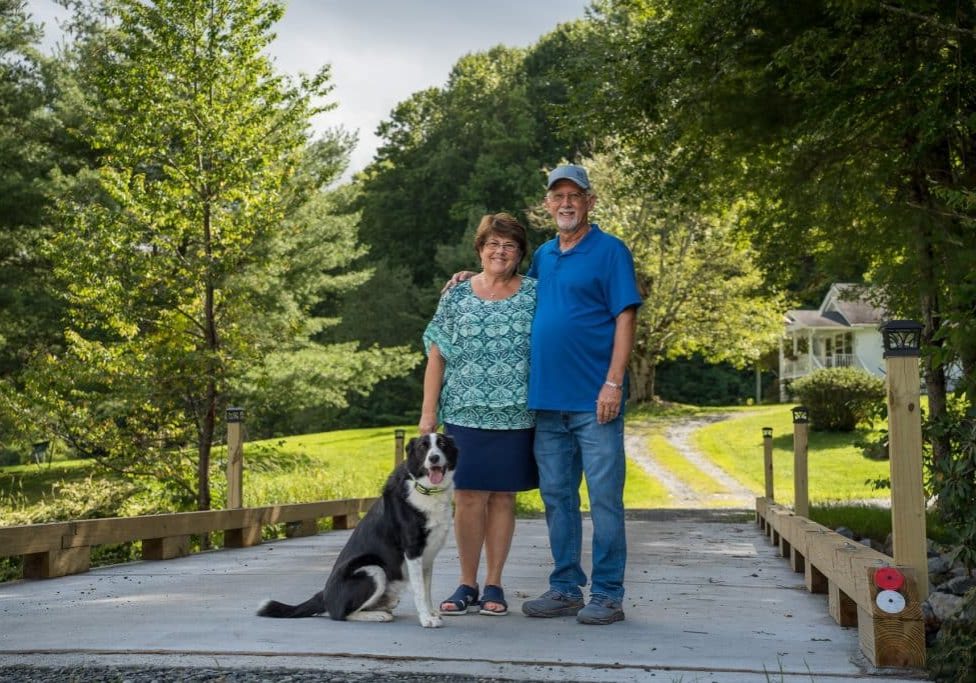
The Rocky Road — and Bridge — to Recovery
Hurricane Helene is estimated to have damaged nearly 7,000 private roads and bridges in Western North Carolina. Two years later, many restoration projects are complete, but the journey hasn’t been easy — and isn’t over for others.
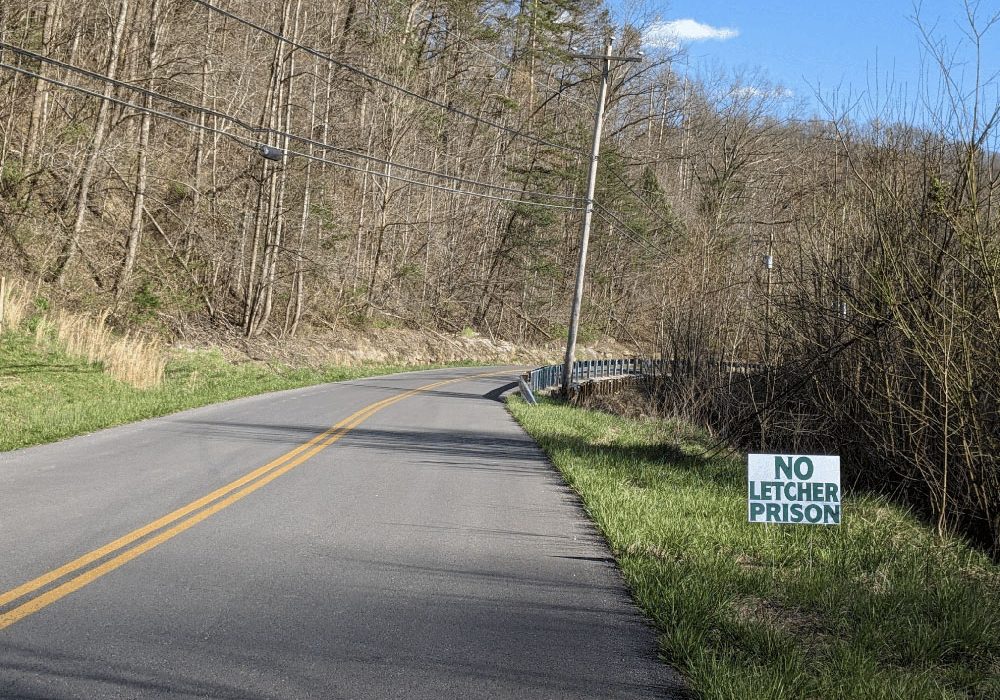
After 20 Years, Letcher County Prison Proposal Is Still Alive, Though Obstacles Remain
A $605 million proposal for a federal prison on a former strip mine site in Letcher County, Kentucky, championed by U.S. Rep. Hal Rogers, refuses to die, despite local opposition, a lack of support from the executive branch and numerous other obstacles.
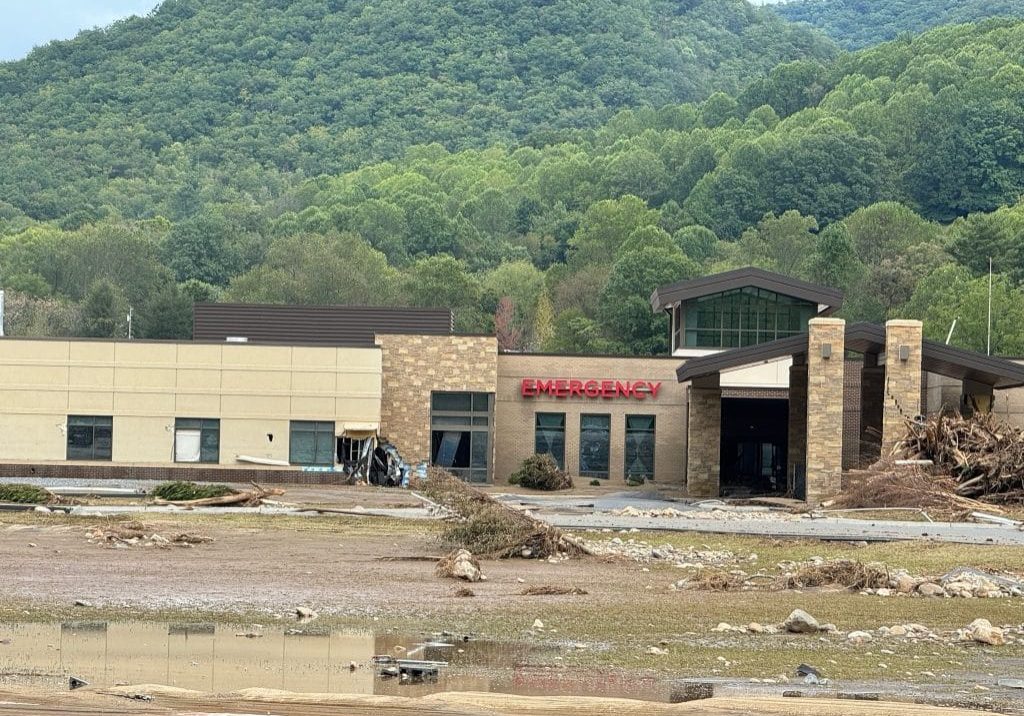
The Washout and Rebuild
For nearly two years, residents of Unicoi County, Tennessee, have had to make do without a hospital after Hurricane Helene destroyed the rural hospital. Ballad Health, which owns the hospital, broke ground on a new location — in another floodplain — in August 2026.
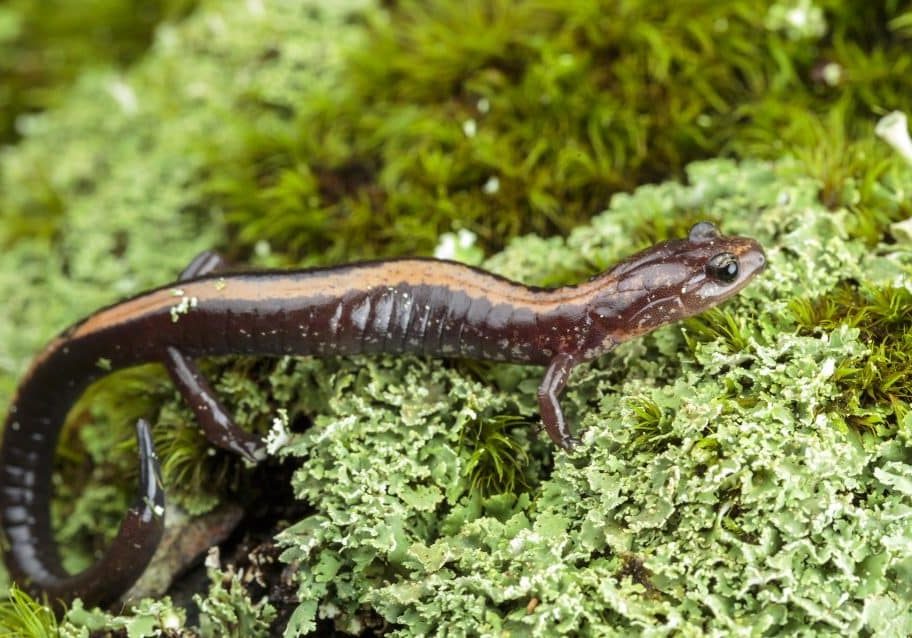
The Shenandoah Salamander
The Shenandoah salamander is a woodland salamander, which has adapted to life at higher elevations away from water. This sparkling rarity lives among the dry leaves, cracked logs, and stony hillocks on the highest peaks of Shenandoah National Park.

Leave a comment
Your email address will not be published. Required fields are marked *
Leave a Comment