

By Kate Cahow
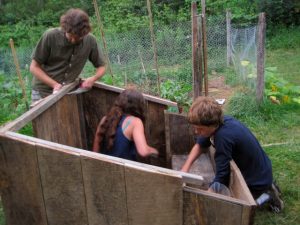
Build-It-Up participants build a chicken coop in Rock Creek, W.Va. Photo by Joe Gorman
Tessa Gore’s passion for creating positive change in the Appalachian region was sparked during her time with Build-It-Up West Virginia.
“My first summer, we traveled to several mountaintop removal sites, and I witnessed the impact on the environment and surrounding communities,” says Gore, a student at Lindsey Wilson College in Columbia, Ky. “That’s when I became an environmental activist. Build-It-Up opened my eyes to grassroots organization and mobilization, and showed me one person can definitely make a difference.” The Ohio native is using her experiences to establish a Build-It-Up program in southeast Ohio.
Build-It-Up West Virginia and sister chapters in Tennessee and Virginia engage participants in service-learning projects focused on healthy, sustainable and locally-based economies. Through community partnerships, they have planted gardens in lower-income neighborhoods, hosted workshops on sustainable food production and preservation, and shadowed local leaders to learn about water-testing standards and local mine safety rules and legislation.
“Appalachian youth are strong leaders,” says Johanna de Graffenreid, co-coordinator with Build-It-Up West Virginia. “They’ve experienced the impacts of the coal mono-economy, and through Build-It-Up they’re learning to build solutions.”
For Joe Gorman, program coordinator with Build-It-Up West Virginia, the most gratifying part of his work is witnessing the personal growth of alumni. “It’s exciting when participants grasp a deeper understanding of what’s at risk in their communities, and then work to change it,” he says.
Build-It-Up is part of a national network of grassroots youth organizations called Grand Aspirations. The Virginia and Tennessee chapters are starting this summer, and this fall the West Virginia chapter is transitioning to a year-round program with West Virginia State University.
Build-It-Up! in AppalachiaEast Tennessee: zval33.wix.com/builditupetn |

Click the picture to find out more information about environmental summer camps in 2013.
Related Articles
Latest News
More Stories

Signs of Life
In the Nantahala National Forest, a team of biologists spotted Indiana bats, an endangered species that hasn’t been seen in North Carolina for the last 11 years.

‘First Line of Defense’
During Hurricane Helene and its aftermath, rural fire departments and other first responder hubs played critical roles in keeping their communities safe, even without power and cut off from outside support for days or weeks after the storm. Two years later, plenty of work remains to ensure these hubs have the resources they need to operate day to day and be ready when emergencies or natural disasters strike.

The Rocky Road — and Bridge — to Recovery
Hurricane Helene is estimated to have damaged nearly 7,000 private roads and bridges in Western North Carolina. Two years later, many restoration projects are complete, but the journey hasn’t been easy — and isn’t over for others.
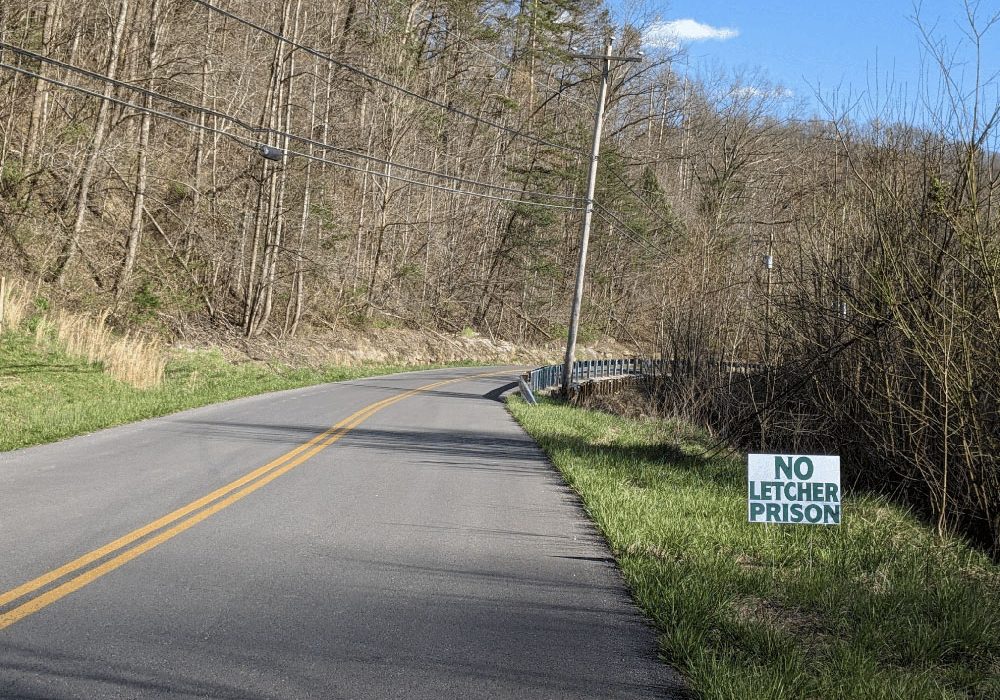
After 20 Years, Letcher County Prison Proposal Is Still Alive, Though Obstacles Remain
A $605 million proposal for a federal prison on a former strip mine site in Letcher County, Kentucky, championed by U.S. Rep. Hal Rogers, refuses to die, despite local opposition, a lack of support from the executive branch and numerous other obstacles.
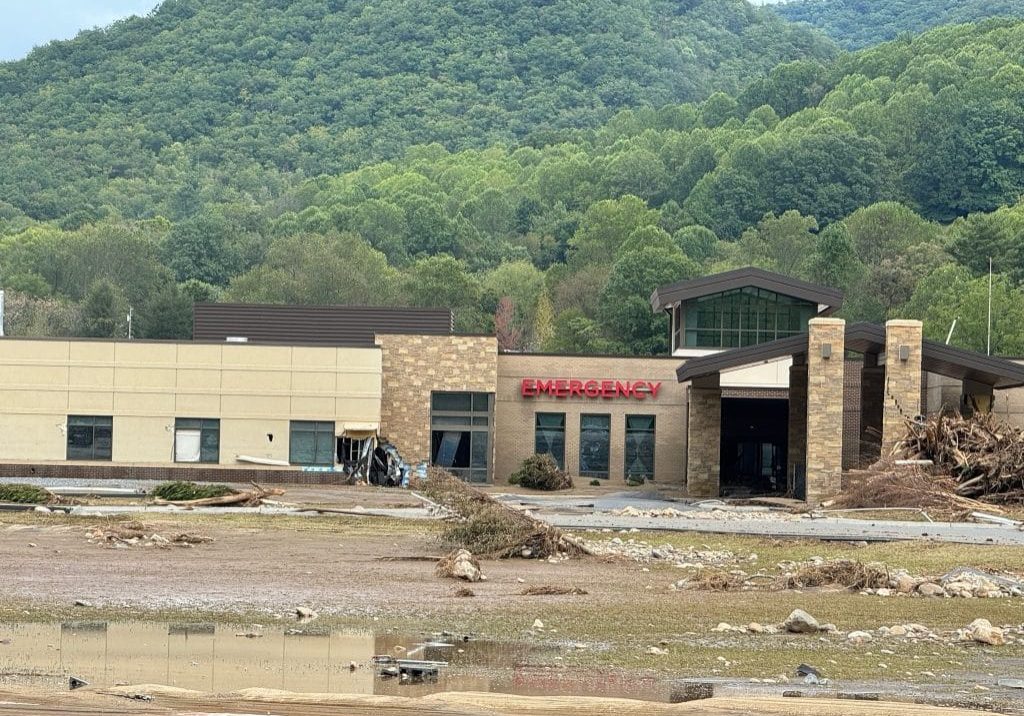
The Washout and Rebuild
For nearly two years, residents of Unicoi County, Tennessee, have had to make do without a hospital after Hurricane Helene destroyed the rural hospital. Ballad Health, which owns the hospital, broke ground on a new location — in another floodplain — in August 2026.

The Shenandoah Salamander
The Shenandoah salamander is a woodland salamander, which has adapted to life at higher elevations away from water. This sparkling rarity lives among the dry leaves, cracked logs, and stony hillocks on the highest peaks of Shenandoah National Park.

Leave a comment
Your email address will not be published. Required fields are marked *
Leave a Comment