

Energy Democracy Tour Gathers Communities’ Visions for Our Energy Future

Knoxville Energy Democracy Tour attendees share ideas during education modules. Photo by Jamie Goodman
During the tour stops, communities participated in education sessions about the structure, history and impacts of the TVA energy system. Attendees provided input during listening sessions and asked questions such as, “What do we want for our energy future?” and “What needs to change at TVA in order for us to reach that future?”
Information from the visioning discussions is still being processed, but emerging themes include:
- Just, equitable energy production and use
- Environmental health prioritized with renewable, efficient energy generation
- Locally owned energy generation
- Safe, secure and skilled energy jobs created and supported with workforce training
- Energy decisions democratically controlled

Knoxville Energy Democracy Tour attendees share ideas. Photo by Jamie Goodman
The Tennessee Valley Energy Democracy Tour will make its final stop in Anderson County, Tenn., with communities living near the Bull Run Fossil Plant, which TVA voted to close earlier this year. After processing notes from the sessions and conducting additional research, groups involved with the tour will release a report that summarizes the feedback we heard and provides a list of policy suggestions for reaching the energy future that communities want. Keep an eye out for this exciting update!
After two successful stops in Raleigh and Asheville, the Energy Justice North Carolina, End the Duke Monopoly Tour continues to work its way across North Carolina with events planned for Oct. 23 in Charlotte, and Boone in early November.
The tour is bringing communities together across the state to discuss the electric utility system and the pitfalls of Duke Energy’s monopoly control. Both events have allowed ratepayers to continue dialogue about the issues their communities face, as well as plug into local events and movements. Ratepayers have made it clear that it’s time to end the Duke monopoly.
Stay tuned for upcoming events in Virginia! Visit EnergyDemocracyYall.org for details.
Related Articles
Latest News
More Stories

Halloween Approaches, and Night School Is in Session
The House of Art in Bluefield, West Virginia, looks like a haunted tower, making it the perfect location for its sixth annual haunt event: Night School. The Night School will be open every Friday and Saturday night through Oct. 31.
‘The Most Perfect Act of Love’
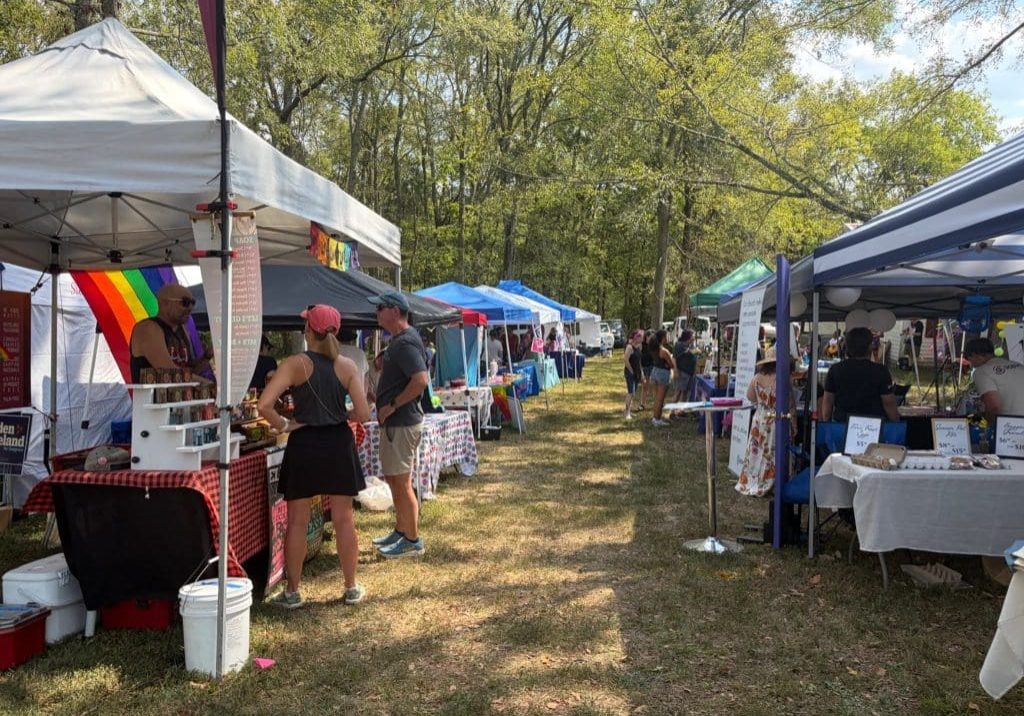
After losing its rural pride celebration, hundreds of people attended the second annual Affirming Sumner Pride celebration on a 24-acre farm dubbed “Fruity Farm” in Bethpage, Sumner County, Tennessee.

Signs of Life
In the Nantahala National Forest, a team of biologists spotted Indiana bats, an endangered species that hasn’t been seen in North Carolina for the last 11 years.

‘First Line of Defense’
During Hurricane Helene and its aftermath, rural fire departments and other first responder hubs played critical roles in keeping their communities safe, even without power and cut off from outside support for days or weeks after the storm. Two years later, plenty of work remains to ensure these hubs have the resources they need to operate day to day and be ready when emergencies or natural disasters strike.

The Rocky Road — and Bridge — to Recovery
Hurricane Helene is estimated to have damaged nearly 7,000 private roads and bridges in Western North Carolina. Two years later, many restoration projects are complete, but the journey hasn’t been easy — and isn’t over for others.
After 20 Years, Letcher County Prison Proposal Is Still Alive, Though Obstacles Remain
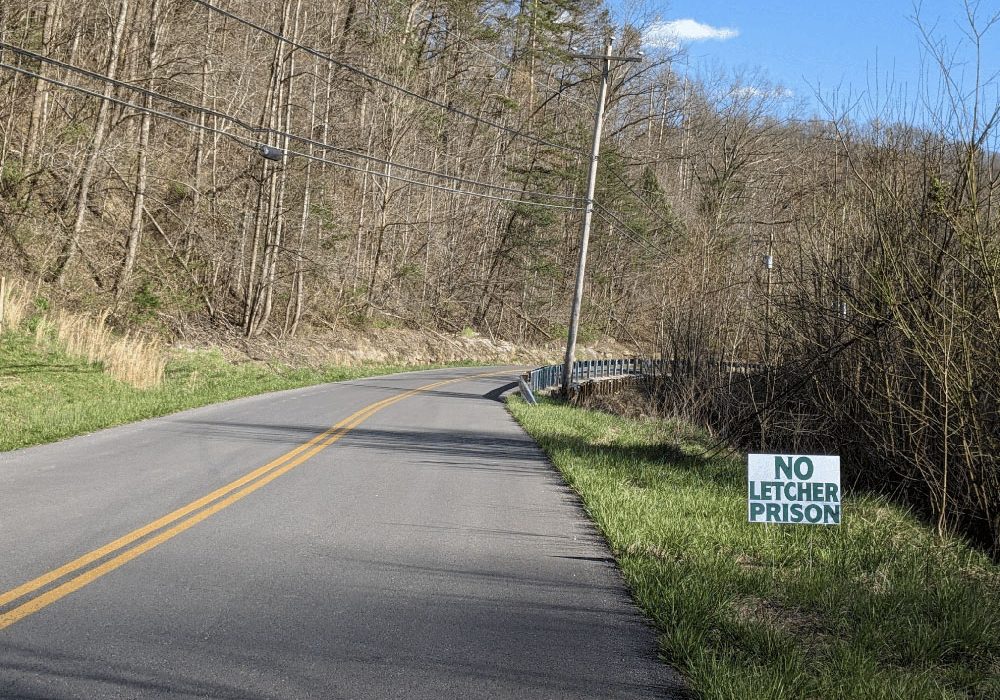
A $605 million proposal for a federal prison on a former strip mine site in Letcher County, Kentucky, championed by U.S. Rep. Hal Rogers, refuses to die, despite local opposition, a lack of support from the executive branch and numerous other obstacles.

Leave a comment
Your email address will not be published. Required fields are marked *
Leave a Comment