

The Fight Against the Mountain Valley and Atlantic Coast Pipelines Continues
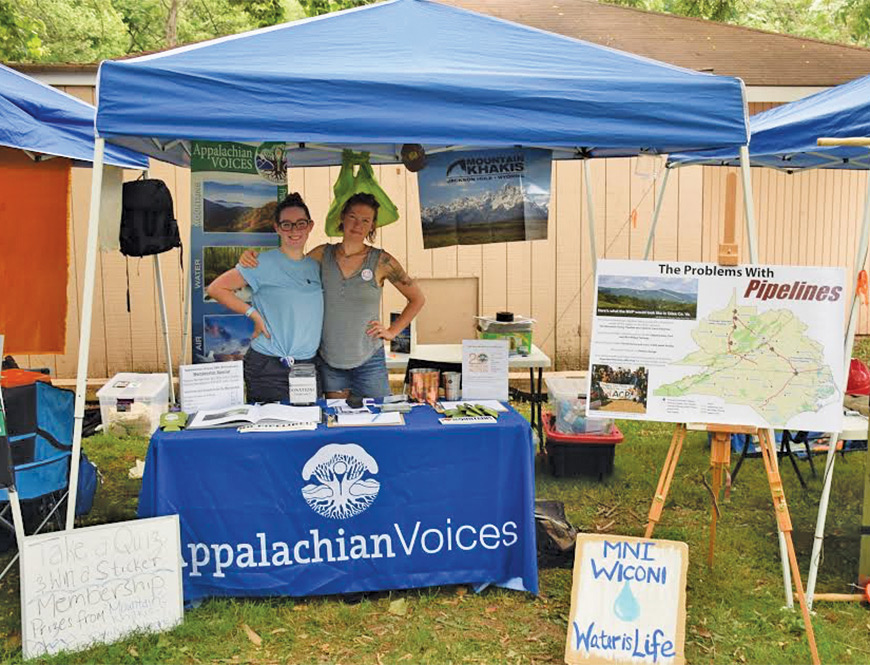
This summer, Max Rooke, left, and Lara Mack of our Virginia team shared news and resources about the fight against proposed pipelines at events across the state.
As federal regulators continue to rubber-stamp the dangerous, inadequate plans for the Mountain Valley and Atlantic Coast pipelines, we’re continuing to fight back alongside residents and grassroots groups across Virginia, West Virginia, and North Carolina. Throughout the summer, our team has been driving turnout to state water quality permit hearings, challenging Virginia’s inadequate review process, and sharing information about these unnecessary projects far and wide.
We’ve collected public comments for three federal agencies and are continuing to urge residents across North Carolina and Virginia to participate in the ongoing environmental reviews in their states.
For regularly updated information on upcoming hearings, action opportunities and public comment periods, visit appvoices.org/fracking/actions and check our Events listings on Facebook.
Max Rooke served as our Virginia Grassroots Organizing Assistant this summer. Below is an excerpt of her reflections on this internship from our blog.
“The past two months have allowed me to learn skills I didn’t realize were skills and hear stories from impacted landowners who I would never have met if not for this internship. …
The most important thing I learned was how to draw people together around a shared goal, which is the core of grassroots organizing. As I take on other challenges, I’m grateful to the wonderful Appalachian Voices team for helping me learn about how people can work together to protect their environment.
As summer ends, my time with Appalachian Voices is ending as well, but the fight against the Mountain Valley and Atlantic Coast pipelines is as hot as ever. August brings five official public hearings regarding the pipelines as well as two informal meetings, and by the end of the month, all three relevant public comment periods will have ended. Although I’ll be in Hampton Roads far from the proposed construction, we’re all downstream.
Come August 14, I will be driving two hours to Dinwiddie, Va., with a jar of water from the Chowan Watershed, which the Atlantic Coast Pipeline would snake through near the Virginia-North Carolina border. That night in Dinwiddie, the Virginia Department of Environmental Quality will hold its last public hearing regarding either pipeline’s impact on water quality in the state. I will join others in speaking out against the proposed pipelines and protecting our access to clean water from the mountains to my coastal marshes.”
Related Articles
Latest News
More Stories
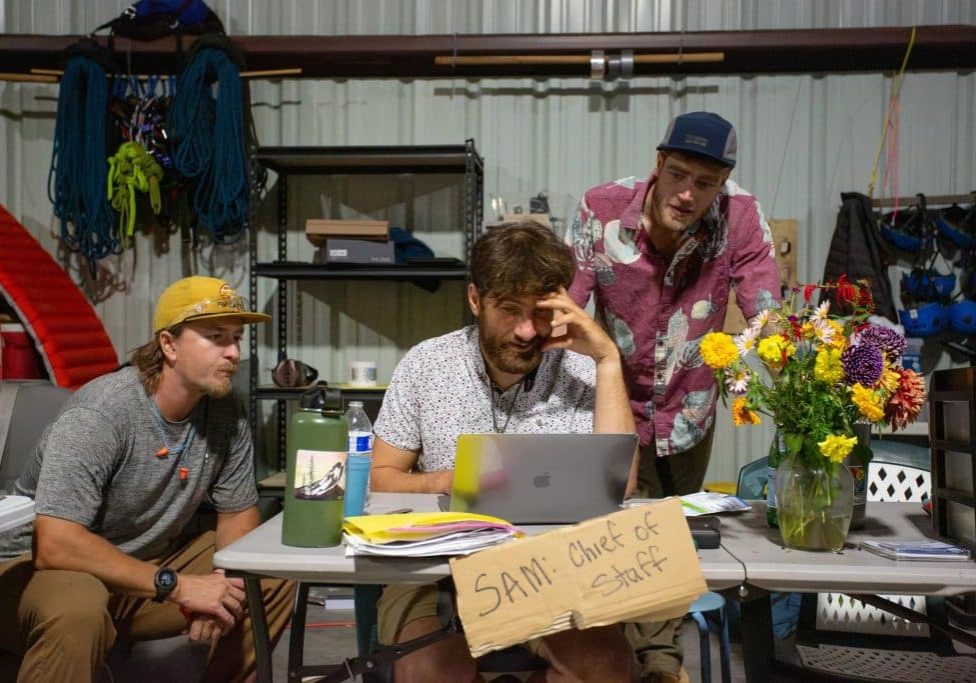
Neighbors Help Neighbors
A photo essay that celebrates the volunteer spirit of the grassroots group Hurricane Helene WNC and speaks to the resourcefulness, collaboration and hard work embodied by thousands and thousands of volunteers, first responders and aid workers across the region after Hurricane Helene.

Halloween Approaches, and Night School Is in Session
The House of Art in Bluefield, West Virginia, looks like a haunted tower, making it the perfect location for its sixth annual haunt event: Night School. The Night School will be open every Friday and Saturday night through Oct. 31.
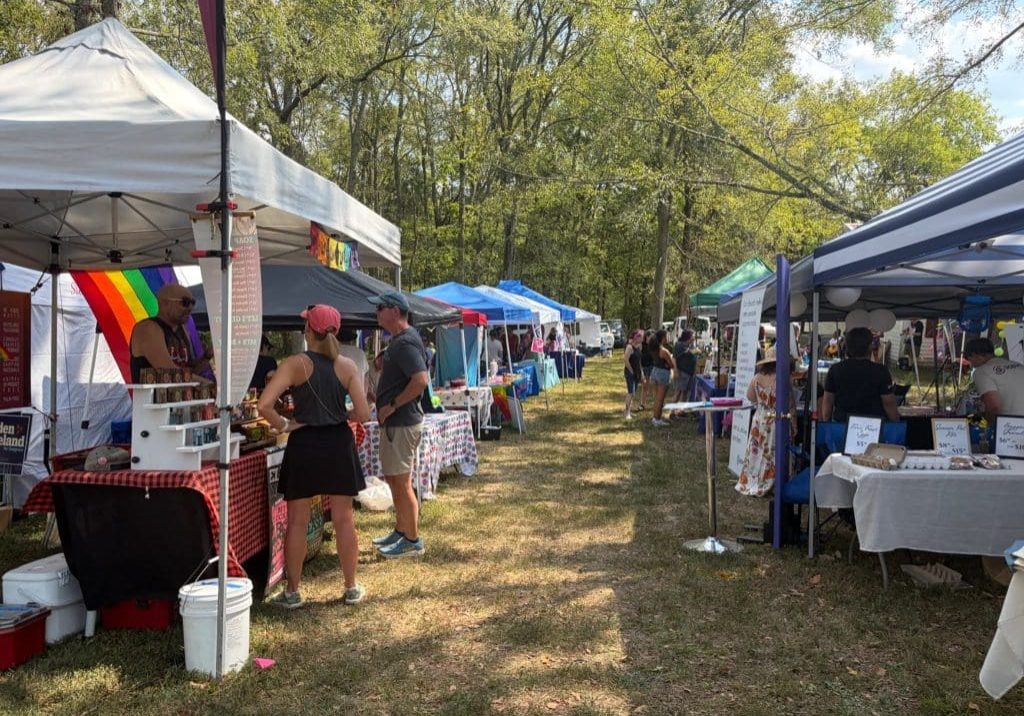
‘The Most Perfect Act of Love’
Hundreds of people attended the second annual Affirming Sumner Pride celebration on a 24-acre farm dubbed “Fruity Farm” in Bethpage, Sumner County, Tennessee.
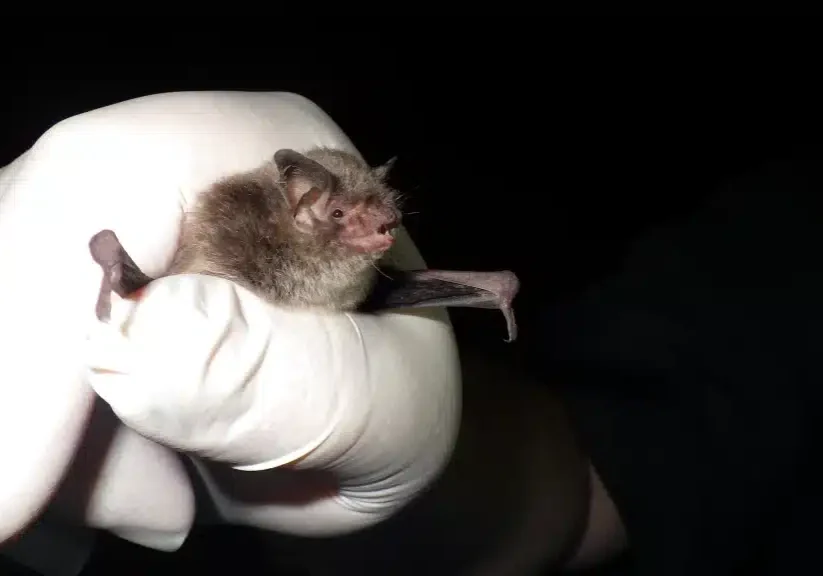
Signs of Life: Endangered Bats Found in Nantahala for First Time in More Than a Decade
In the Nantahala National Forest, a team of biologists spotted Indiana bats, an endangered species that hasn’t been seen in North Carolina for the last 11 years.

‘First Line of Defense’
During Hurricane Helene and its aftermath, rural fire departments and other first responder hubs played critical roles in keeping their communities safe, even without power and cut off from outside support for days or weeks after the storm. Two years later, plenty of work remains to ensure these hubs have the resources they need to operate day to day and be ready when emergencies or natural disasters strike.

The Rocky Road — and Bridge — to Recovery
Hurricane Helene is estimated to have damaged nearly 7,000 private roads and bridges in Western North Carolina. Two years later, many restoration projects are complete, but the journey hasn’t been easy — and isn’t over for others.

Leave a comment
Your email address will not be published. Required fields are marked *
Leave a Comment