
Front Porch Blog
A brighter way forward: Fair compensation for rooftop solar in the Tennessee Valley
Three local power companies are showing how simple programs can help customers get more value from the clean energy they produce.

2025 Solar Holler rooftop installation at Elderspirit Community in Abingdon, Virginia. Photo by Jimmy Davidson
Imagine investing in rooftop solar panels to help power your home, lower your electric bills and do something good for the environment. On a sunny afternoon, your panels are producing more electricity than your home needs. If you don’t have battery storage, or your battery is already full, that extra electricity flows to the grid, where it can help power your neighbors’ homes and businesses. Sounds like a win-win, right?
Well, there’s a catch. While that electricity has value beyond dollars and cents, many solar customers across the Tennessee Valley have limited options for fair compensation.
But the good news is that some local power companies are already showing us a better way.
Not all solar energy is valued equally
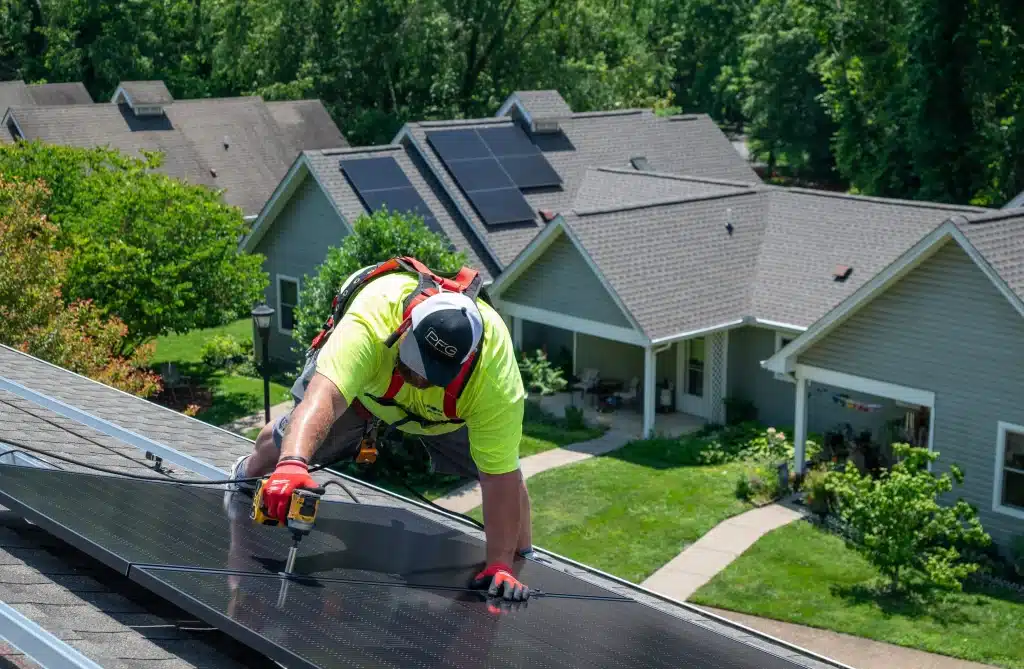
Most homeowners don’t want solar panels because they’re looking to become the neighborhood power plant. They install systems designed primarily to meet their own electricity needs and reduce their monthly bills.
But electricity use and solar production don’t always line up perfectly. Your panels might generate more electricity than you need during the afternoon, but you may still rely on the grid at night or when the sun isn’t shining. When that extra electricity flows onto the grid, what is it really worth?
Currently, most customers in the Tennessee Valley Authority’s service territory who want compensation for excess generation must participate in TVA’s Dispersed Power Production program. This program purchases electricity at TVA’s avoided-cost rate, or what TVA estimates it will save by buying electricity from you instead of generating it itself. These rates fluctuate and can be as little as a couple of cents per kilowatt-hour, while the program also requires a monthly fee.
But locally generated solar electricity can offer benefits beyond its purchase price for TVA and local power companies. It can reduce the need for electricity generated elsewhere, help reduce transmission losses and diversify our energy supply. Because rooftop solar generates electricity close to where it’s used, it can also reduce demand on parts of the electric grid, particularly during sunny hours.
Local power companies leading the way
Across the Tennessee Valley, three local power companies are demonstrating that fairer solar compensation programs aren’t just a good idea. They’re already putting successful programs to work in their communities.
Nashville Electric Service offers two fee-free programs designed to help customers get more value from their solar investments. Through NESolar Savings, qualifying customers with solar systems smaller than 250 kilowatts can sell excess electricity back to NES at a rate higher than what they could receive via the Dispersed Power Providers Program. Its companion program, NESolar Connect, purchases the full output of qualifying larger systems at a rate closer to wholesale, or the amount they would pay TVA to purchase energy.
CDE Lightband, serving Clarksville, Tennessee, offers the Power Partners program. The program allows qualifying customers with solar systems under 50 kilowatts to sell excess electricity directly to their local utility, up to 1,000 kilowatt-hours per billing period. There is no additional monthly program fee, and enrolled customers receive more than double the compensation offered through the current Dispersed Power Providers Program.
Huntsville Utilities in Alabama recently introduced Solar Connect, which compensates qualifying residential and small commercial customers for excess solar generation at a rate based on the utility’s wholesale electricity costs without charging any additional fees, helping to lower solar customers’ bills and maximize their investments.
Each program is a little different, but they share an important principle: Customers who invest in producing electricity should have a reasonable opportunity to be compensated when they share it with the grid.
These local power companies deserve recognition for finding practical ways to support their solar customers while meeting broader community needs.
A fair rooftop solar rate for Tennessee Valley communities
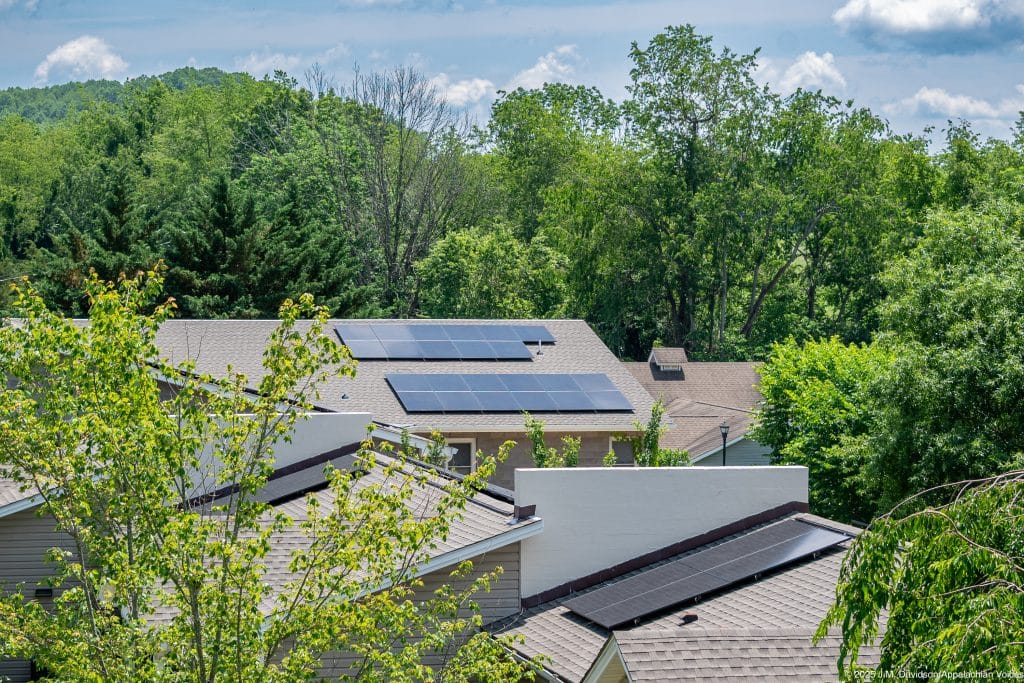
Inspired by these examples, Appalachian Voices has been working with fellow clean energy advocates to promote the Rooftop Solar Rate initiative.
The concept is straightforward: Customers deserve a fair rate for excess electricity they send to the grid, ideally based on the utility’s wholesale cost of electricity.
Rather than requiring complicated billing arrangements or full retail-rate net metering, the program provides a simple credit for the electricity that customers contribute to the grid. The rate reflects the utility’s cost of purchasing power, not the full retail price, which helps ensure that other customers don’t pay more to cover the cost of those credits.
It’s a practical way to recognize the value of customer-generated electricity while keeping the system fair for everyone.
With electricity demand growing across the Tennessee Valley, encouraging locally generated clean energy makes sense. Every kilowatt-hour produced on a rooftop doesn’t have to be generated somewhere else.
Rooftop solar won’t solve all our energy challenges, but it can certainly be part of the solution, especially when local utilities make participation worthwhile.
Help us bring fair rooftop solar rates to your community!

Fair solar programs in Nashville, Clarksville and Huntsville are demonstrating that locally designed solar compensation programs are possible. We’d love to see more of them.
Appalachian Voices and our clean energy partners have developed a Rooftop Solar Rate toolkit to help residents, community advocates and local leaders start conversations with their electric utilities. The toolkit highlights successful examples and provides practical tools for encouraging local power companies to explore similar opportunities.
Whether you already have solar panels, are considering installing them or simply believe people deserve more clean energy choices, your voice matters.
Sunshine may be free, but the electricity it generates has real value. Let’s make sure it gets its moment in the sun.
Visit the Rooftop Solar Rate webpage for more information about how to advocate for fair solar compensation in your community.

PREVIOUS
NEXT
Related News

Leave a comment
Your email address will not be published. Required fields are marked *
Leave a Comment