

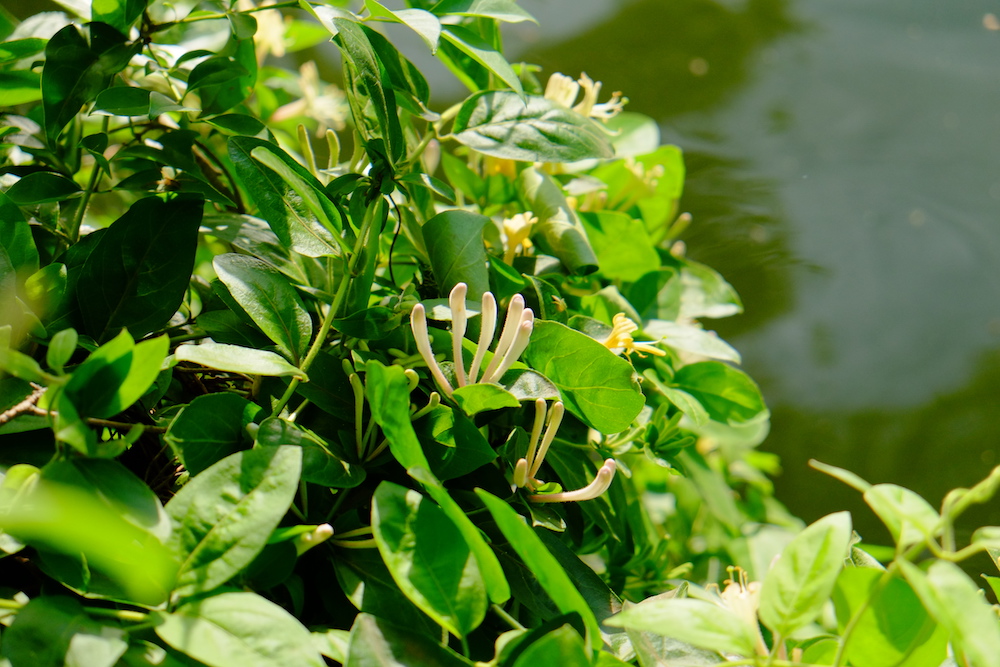
Although Japanese Honeysuckle is a popular ornamental plant, it can easily invade areas disturbed by human activity and out-compete native flora. Photo by Kumiko
Many invasive species are hiding in plain sight at plant nurseries, waiting for unsuspecting gardeners to scoop them up and bring them to a new yard from which to spread. The Southeast harbors some of the most biodiverse ecosystems in the country, but plants introduced by humans threaten the region’s ecology as they encroach on native plant species.
Invasive plants are often characterized by fast growth rates, efficient seed dispersal and rapid germination. They are especially problematic in human-disturbed areas because they often take hold faster than native species. Aggressive invasive species block the amount of sunlight, water, nutrients and space native plant species are able to get. Without natural checks, invasive species can crowd out other plants, diminishing biodiversity and limiting the food available to wildlife.
Below are some of the most common invasive species sold in garden centers. Avoid introducing these into your yard and local ecosystems.
 Callery “Bradford” Pear Tree
Pyrus calleryana
Widely used for landscaping in residential areas and appealing for its white blooms in spring, this tree will invade disturbed areas and displace native species, often shading them out. The Callery pear can germinate and grow rapidly, making it an especially aggressive competitor. Photo: Lee Coursey
 English Ivy
Hedera helix
English ivy is a popular groundcover and is swallowing woodlands and deteriorating structures. This highly adaptive species can cover trees such as maples, oaks and elms. English ivy grows from the ground up into tree canopies, impeding photosynthesis and weighing down treetops, increasing the risk of trees blowing down during storms. Photo: Luke McGuff
Japanese Honeysuckle
Lonicera japonica
Popular for its sweet-smelling blooms, this vine can form dense mats, invading forest floors and creeping into tree canopies where it shades everything below. Japanese honeysuckle encroaches on habitats such as wetlands, forests, roadsides and disturbed areas. Photo: Kumiko
 Japanese & Chinese Wisteria
Wisteria floribunda & Wisteria sinensis
Despite its weedy and destructive habits, wisteria is widely sold and planted. This species climbs trees, shrubs and structures, smothering and shading out native species. Japanese and Chinese wisteria also cut through bark, killing trees as it twists around their branches. Photo: mrhayata
 Multiflora Rose
Rosa multiflora
This rose’s sweetly scented blooms make it attractive for landscaping — but once it spreads, this species forms thorny, impenetrable thickets in fields and forest edges, restricting livestock and wildlife movement and displacing native vegetation. The multiflora rose easily adapts to a variety of habitats, making it especially threatening to native plants. Photo: Andreas Rockstein
 Oriental Bittersweet
Celastrus orbiculatus
A woody vine coveted for its clusters of distinctive red seeds, Oriental bittersweet can climb up to 60 feet into tree canopies and colonize forest edges, roadsides and meadows. This vine rapidly forms dense thickets and has a diverse range, threatening a variety of native species from the ground to the tree canopy. Photo: Jeffrey Shultz
 Princess Tree
Paulownia tomentosa
A rapid-growing tree, appealing for its fragrant purple blooms, the princess tree often appears along roadsides, stream banks and forest edges. Often invading following a fire or human disturbance, this tree can adapt to a variety of habitats. Photo: Kumiko
 Sweet Autumn Virginsbower
Clematis terniflora
With small, white blooms, this attractive vine is frequently sold in nurseries. Sweet autumn virginsbower invades forest edges and urban areas along streams and roads. It grows into dense blankets, covering native species and blocking light from reaching the plants underneath. Photo: Kit Case
 Winged Burning Bush
Euonymus alatus
This popular plant, widely sold for its hardiness and intense red foliage in fall months, forms dense thickets that can displace many native plant species. Instead, opt for a similar variety of this species that is not invasive, Euonymus alatus ‘Compactus.’ Photo: Jack Pearce
Related Articles
Latest News
More Stories

‘First Line of Defense’
During Hurricane Helene and its aftermath, rural fire departments and other first responder hubs played critical roles in keeping their communities safe, even without power and cut off from outside support for days or weeks after the storm. Two years later, plenty of work remains to ensure these hubs have the resources they need to operate day to day and be ready when emergencies or natural disasters strike.

The Rocky Road — and Bridge — to Recovery
Hurricane Helene is estimated to have damaged nearly 7,000 private roads and bridges in Western North Carolina. Two years later, many restoration projects are complete, but the journey hasn’t been easy — and isn’t over for others.
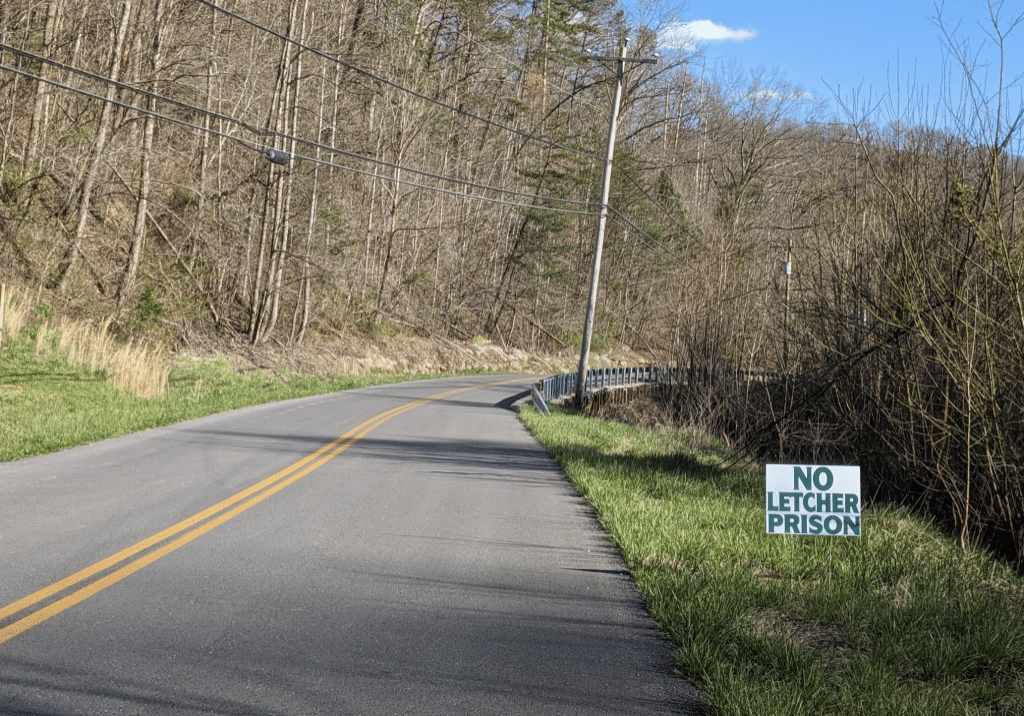
After 20 Years, Letcher County Prison Proposal Is Still Alive, Though Obstacles Remain
A $605 million proposal for a federal prison on a former strip mine site in Letcher County, Kentucky, championed by U.S. Rep. Hal Rogers, refuses to die, despite local opposition, a lack of support from the executive branch and numerous other obstacles.
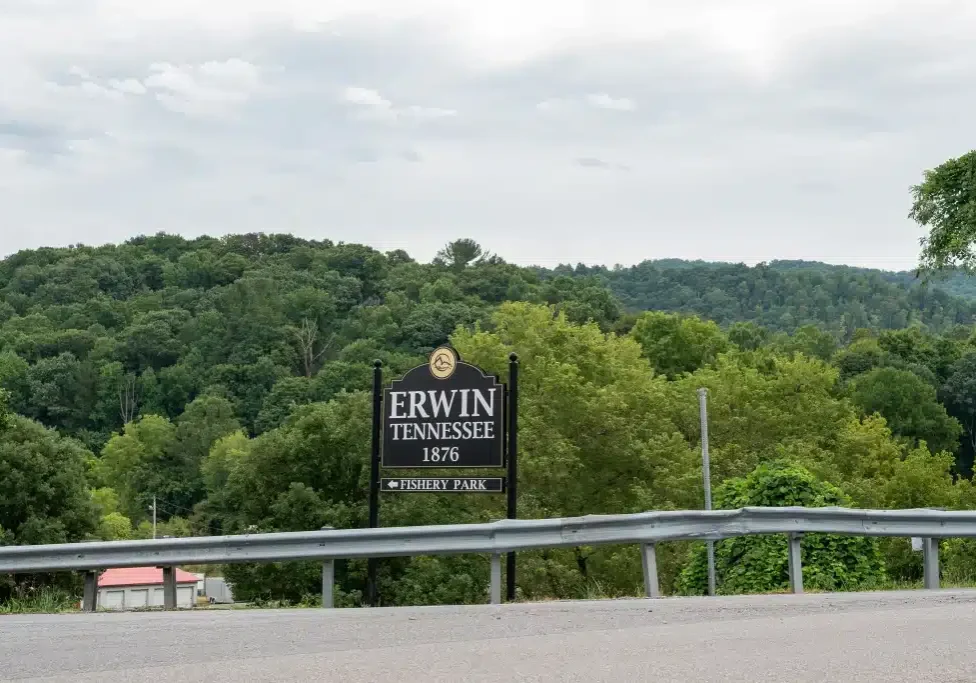
The Washout and Rebuild
For nearly two years, residents of Unicoi County, Tennessee, have had to make do without a hospital after Hurricane Helene destroyed the rural hospital. Ballad Health, which owns the hospital, broke ground on a new location — in another floodplain — in August 2026.
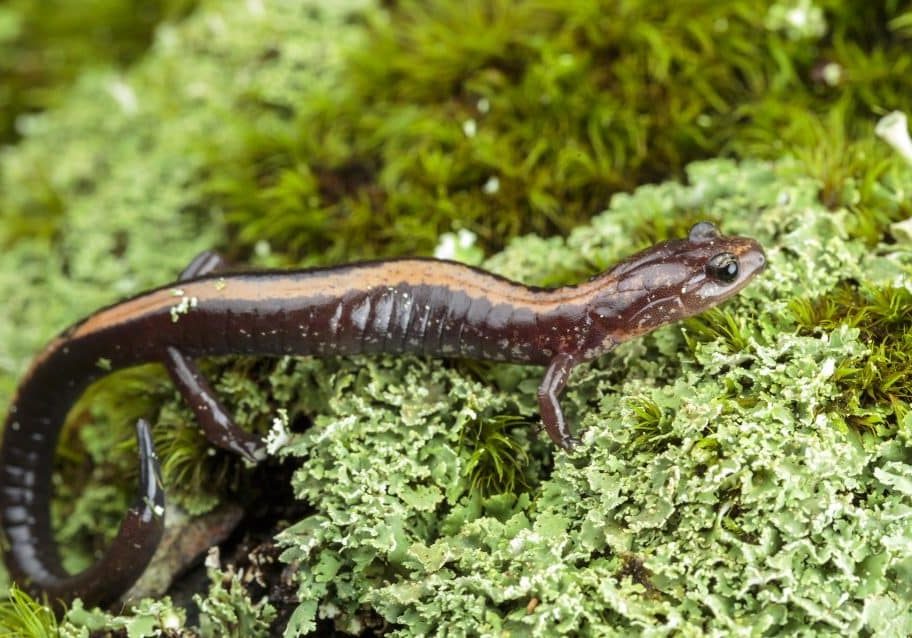
The Shenandoah Salamander
The Shenandoah salamander is a woodland salamander, which has adapted to life at higher elevations away from water. This sparkling rarity lives among the dry leaves, cracked logs, and stony hillocks on the highest peaks of Shenandoah National Park.
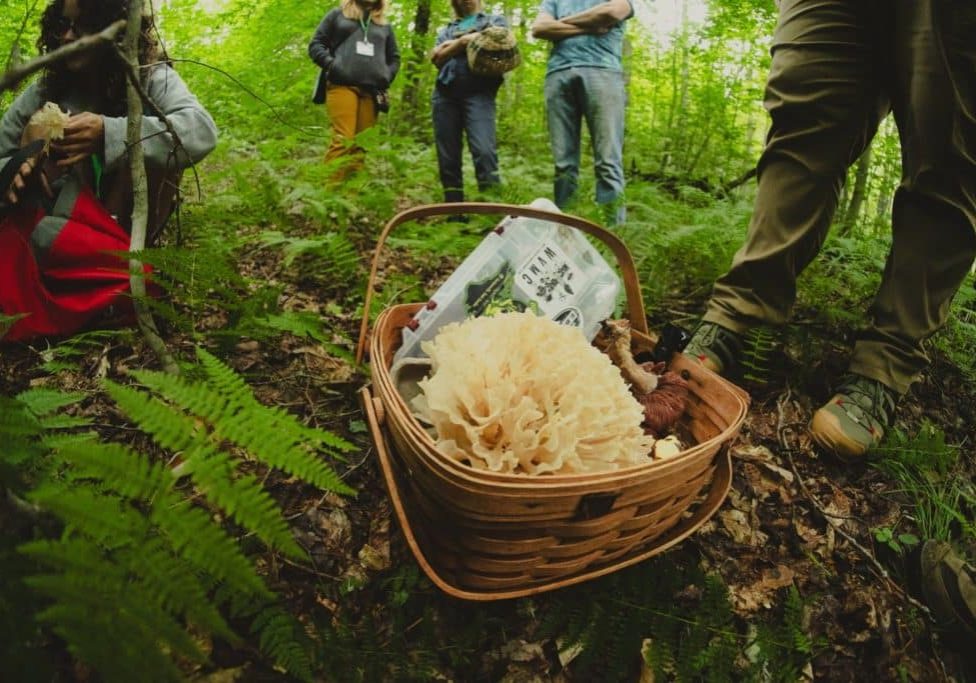
‘Foraging Is a Way of Connecting’
Foraging has experienced a modern resurgence, partly because of social media, online groups, the pandemic and people wanting to connect with nature. It also builds community, whether in person or online.

Leave a comment
Your email address will not be published. Required fields are marked *
Leave a Comment