

Asian Carp Barriers to be Erected on Tennessee, Cumberland Rivers
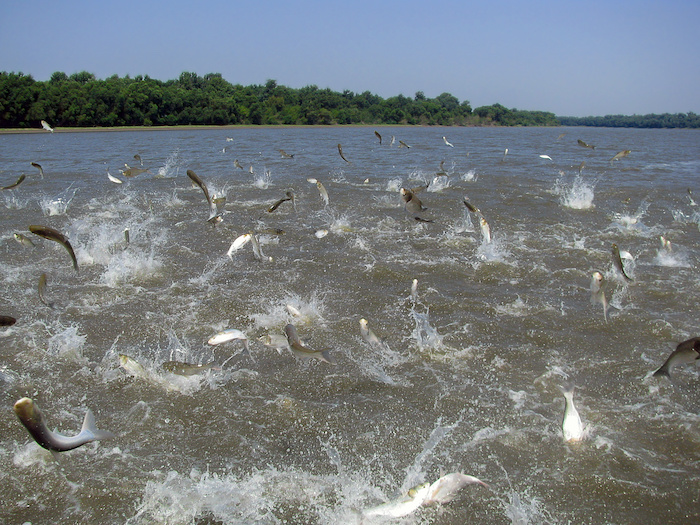
Flying Asian carp can jump out of the water and cause boating accidents. (Adobe Stock)
By Nadia Ramlagan, Public News Service
NASHVILLE, Tenn. — As the state continues its battle against invasive Asian carp, environmentalists say plans to erect new barriers to stop the carp from entering the Tennessee and Cumberland rivers are a step in the right direction.
Michael Butler, CEO of the Tennessee Wildlife Federation, said Asian carp continue to be a massive problem for Tennessee’s fishing and outdoor recreation industries, and noted the state recently received $25 million in federal funding to help erect barriers to stop carp from migrating.
“So they outcompete our native bait fish and they occupy a large volume of water when they get to be in large schools,” Butler described. “That in turn impacts the fishery, which in turn impacts tourism.”
He pointed out the state’s fishing economy generates more than $1 billion annually.
Asian carp are now found in all three of Tennessee’s major waterways, from the Mississippi River to the Tennessee River north of Chattanooga.
Butler noted the money will help fund several barriers that often use combinations of sound, light, bubbles and other technologies to block the migration of carp from downstream reservoirs.
He added barrier technologies are currently being tested at the Barkley Dam, which separates the Cumberland River Basin from the Ohio River.
“25 million may or may not be enough,” Butler cautioned. “So, we’re going to continue to evaluate the funding needs for the program here in the Tennessee and Cumberland river systems.”
Asian carp can grow up to 100 pounds and can threaten boaters’ safety.
“There are four species of Asian carp,” Butler explained. “And one of them jumps into the air pretty regularly and can weigh up to 30 pounds or more. And so, that’s not something you want to have running into you if you’re driving in a power boat or a jet ski.”
Asian carp have no natural predators and they consume the bottom-chain food sources of native fish, which can have devastating effects on habitats.
Related Articles
Latest News
More Stories

Halloween Approaches, and Night School Is in Session
The House of Art in Bluefield, West Virginia, looks like a haunted tower, making it the perfect location for its sixth annual haunt event: Night School. The Night School will be open every Friday and Saturday night through Oct. 31.
‘The Most Perfect Act of Love’
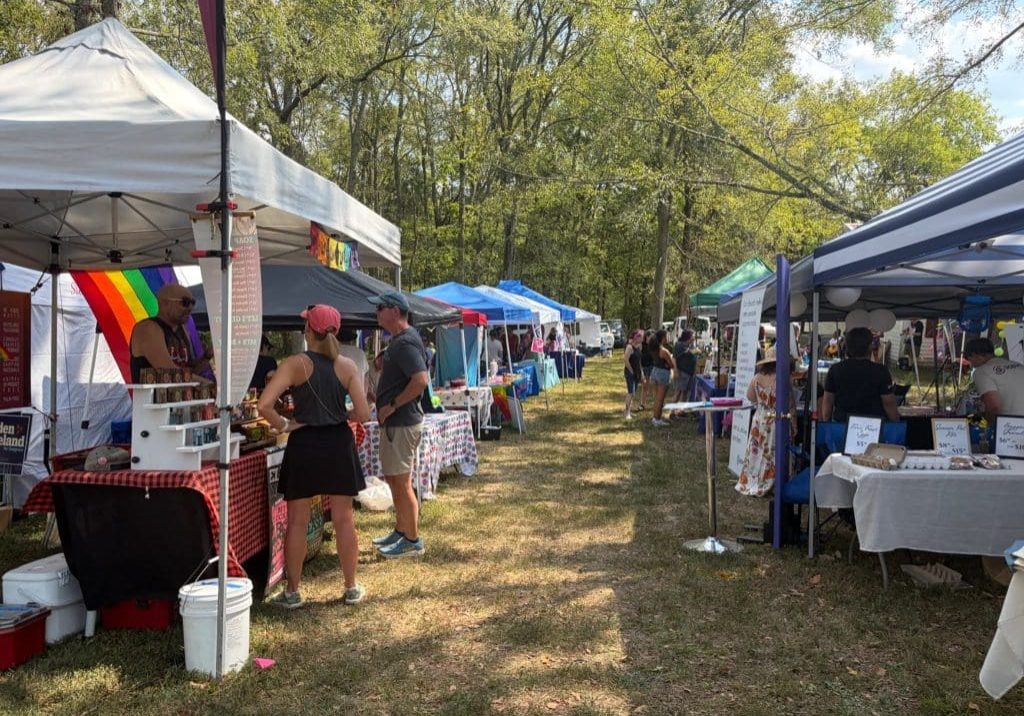
After losing its rural pride celebration, hundreds of people attended the second annual Affirming Sumner Pride celebration on a 24-acre farm dubbed “Fruity Farm” in Bethpage, Sumner County, Tennessee.
Signs of Life
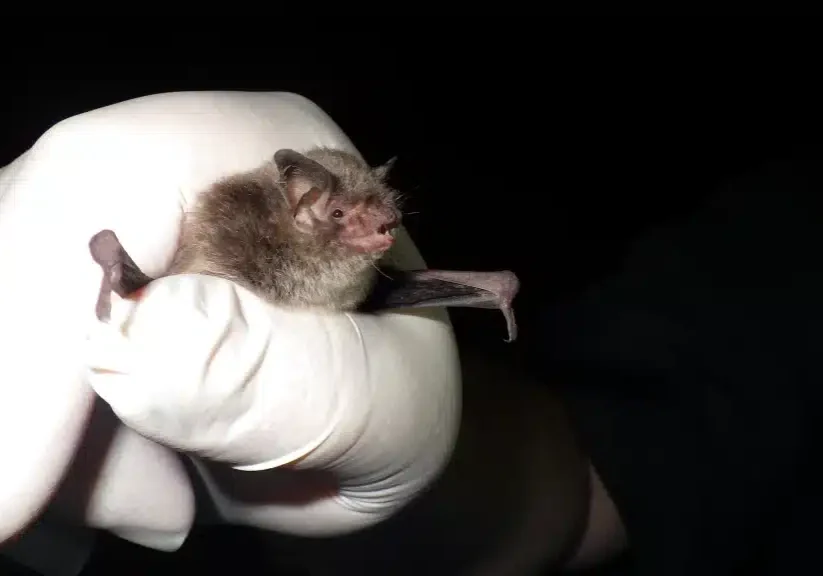
In the Nantahala National Forest, a team of biologists spotted Indiana bats, an endangered species that hasn’t been seen in North Carolina for the last 11 years.

‘First Line of Defense’
During Hurricane Helene and its aftermath, rural fire departments and other first responder hubs played critical roles in keeping their communities safe, even without power and cut off from outside support for days or weeks after the storm. Two years later, plenty of work remains to ensure these hubs have the resources they need to operate day to day and be ready when emergencies or natural disasters strike.

The Rocky Road — and Bridge — to Recovery
Hurricane Helene is estimated to have damaged nearly 7,000 private roads and bridges in Western North Carolina. Two years later, many restoration projects are complete, but the journey hasn’t been easy — and isn’t over for others.
After 20 Years, Letcher County Prison Proposal Is Still Alive, Though Obstacles Remain
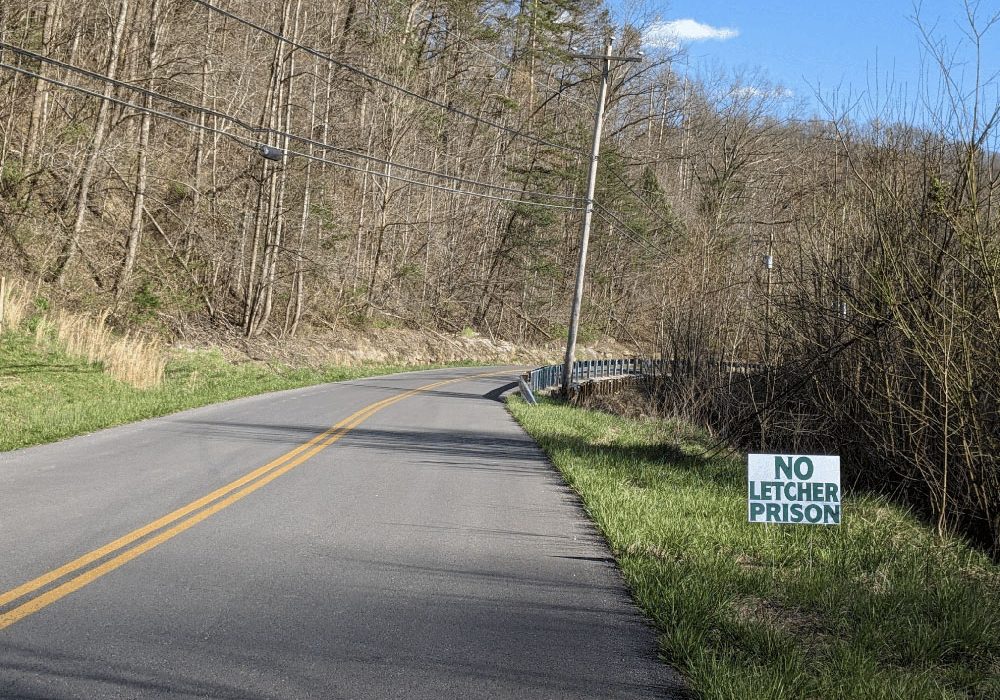
A $605 million proposal for a federal prison on a former strip mine site in Letcher County, Kentucky, championed by U.S. Rep. Hal Rogers, refuses to die, despite local opposition, a lack of support from the executive branch and numerous other obstacles.

Leave a comment
Your email address will not be published. Required fields are marked *
Leave a Comment