

By Caitlin Myers
In the early spring of 2019, Dani Cook, a disabled Tennessee grandmother and veteran, sat down in front of Kingsport’s Holston Valley Medical Center and refused to leave.
Cook wasn’t just catching some sunshine in her lawn chair — she was a protester. Holston Valley Medical Center joined a new nonprofit healthcare corporation called Ballad Health, which encompasses hospitals in 29 counties across Virginia and Tennessee. Ballad was the result of a February 2018 merger between two previous health systems in an effort to reduce the combined $1.3 billion in debt the companies had incurred over time. To cut costs, the new Ballad Health downgraded Holston Valley’s trauma center and shuttered its neonatal intensive care unit. This means some Kingsport-area trauma patients will have to travel to Johnson City, Tenn., for treatment. These two pieces of health infrastructure saved Cook’s granddaughter’s life and the lives of many other community members who are concerned about cuts to healthcare services.
The notion to combine two separate health systems into one was refined over three years of small meetings between Virginia and Tennessee local officials, state senators, representatives, departments of health, attorneys general, and business and education leaders. The process that created it, a Certificate of Public Advantage agreement, put price and competitive controls in place, which allowed Ballad to avoid the antitrust laws and federal scrutiny that come with a straight merger.
The Federal Trade Commission generally blocks healthcare mergers on the grounds that they diminish the quality of service for patients while also allowing the prices of services and the wages of workers to be set by the new corporation. This was the largest COPA merger, and the first to ever cross state lines. The FTC declared its opposition to the merger in 2018 after hearing overwhelmingly negative testimony from the community.
Ballad Health is now the only hospital system for the 1.2 million people in far Southwest Virginia and Northeast Tennessee. According to Johnson City radio station WCYB, The system employs 14,000 people, and is one of the largest hospital systems in the country.
Outside of Holston Valley Medical Center, more lawn chairs joined Cook’s over time, and as of early December, the protest had been present for more than 200 days, for 24 hours a day, with shifts of up to 10 protesters at a time. Community response to the merger has included a petition with 23,000 signatures, a public forum and several outreach trips to Washington, D.C.
Though the asks were initially specific — don’t downgrade the trauma center, and save the neonatal intensive care unit — over time, they encompassed a larger demand for Ballad Health to halt its plans completely. Ballad has filed a vandalism complaint against Cook for the protest, which was under investigation by the city of Kingsport as of press time in early December.
Related Articles
Latest News
More Stories

Halloween Approaches, and Night School Is in Session
The House of Art in Bluefield, West Virginia, looks like a haunted tower, making it the perfect location for its sixth annual haunt event: Night School. The Night School will be open every Friday and Saturday night through Oct. 31.
‘The Most Perfect Act of Love’
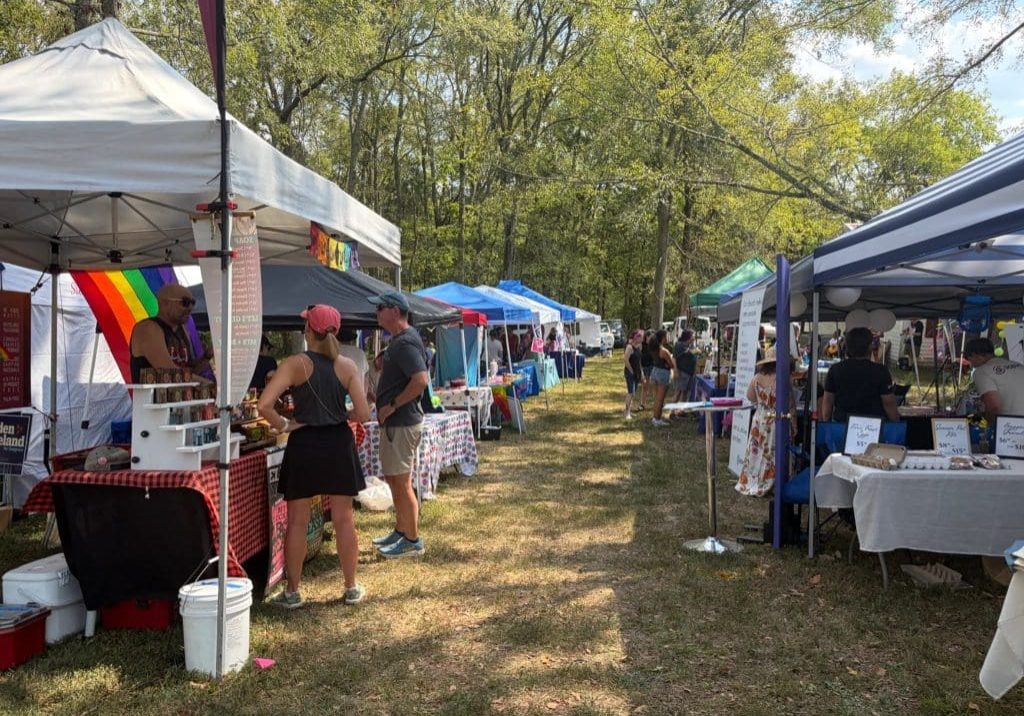
After losing its rural pride celebration, hundreds of people attended the second annual Affirming Sumner Pride celebration on a 24-acre farm dubbed “Fruity Farm” in Bethpage, Sumner County, Tennessee.

Signs of Life
In the Nantahala National Forest, a team of biologists spotted Indiana bats, an endangered species that hasn’t been seen in North Carolina for the last 11 years.
‘First Line of Defense’
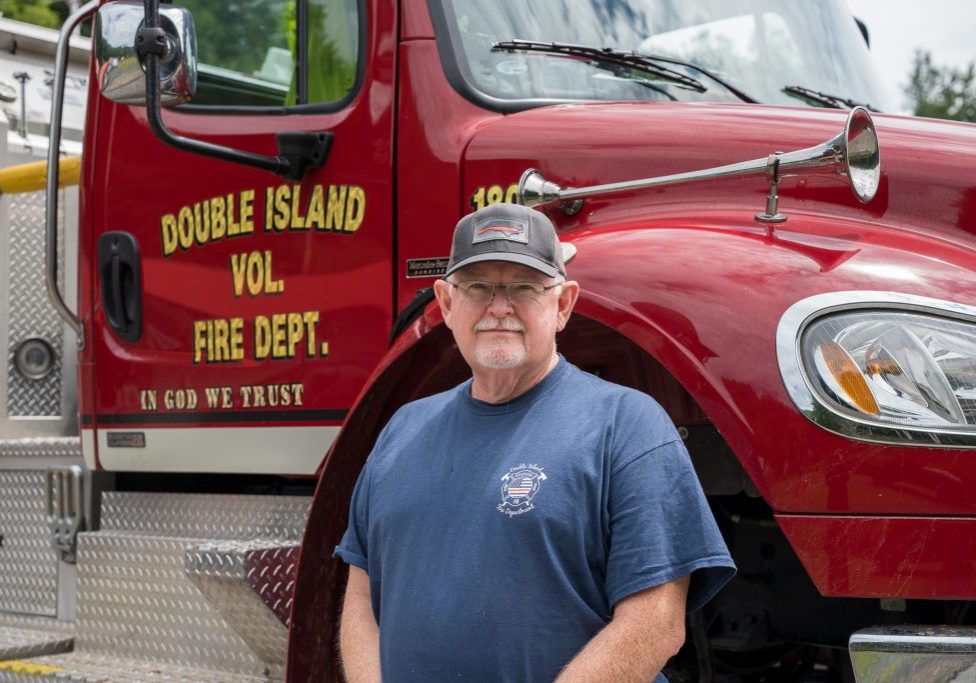
During Hurricane Helene and its aftermath, rural fire departments and other first responder hubs played critical roles in keeping their communities safe, even without power and cut off from outside support for days or weeks after the storm. Two years later, plenty of work remains to ensure these hubs have the resources they need to operate day to day and be ready when emergencies or natural disasters strike.
The Rocky Road — and Bridge — to Recovery
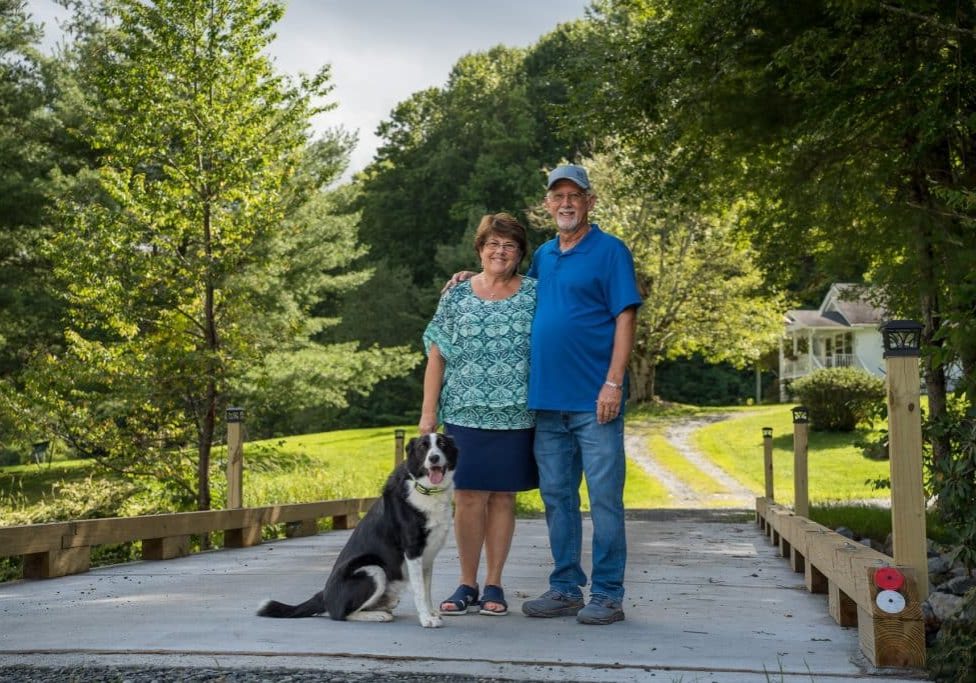
Hurricane Helene is estimated to have damaged nearly 7,000 private roads and bridges in Western North Carolina. Two years later, many restoration projects are complete, but the journey hasn’t been easy — and isn’t over for others.
After 20 Years, Letcher County Prison Proposal Is Still Alive, Though Obstacles Remain
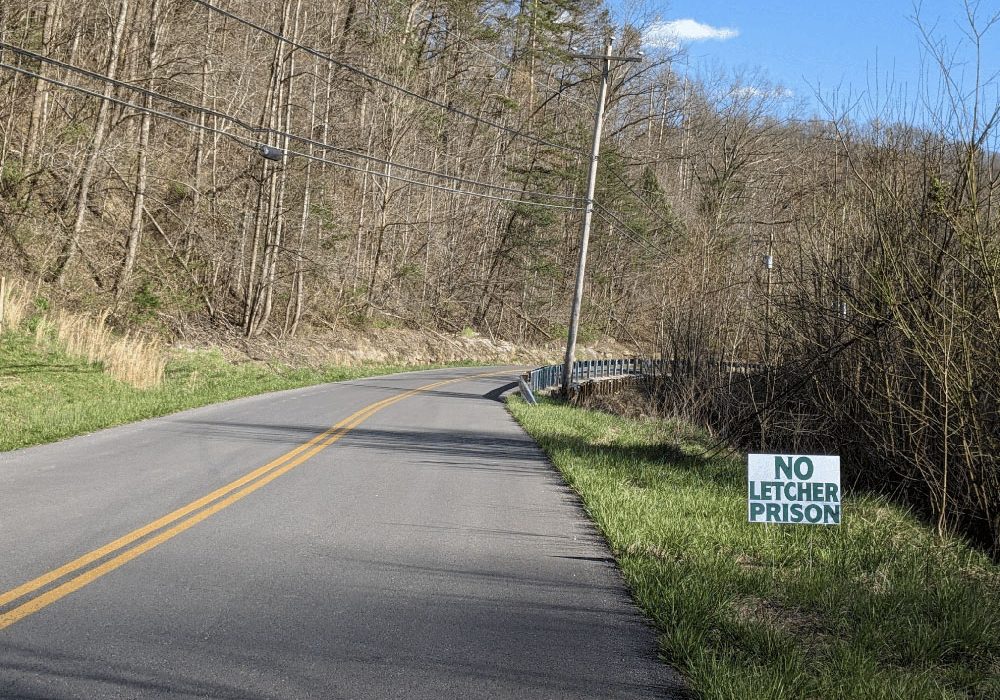
A $605 million proposal for a federal prison on a former strip mine site in Letcher County, Kentucky, championed by U.S. Rep. Hal Rogers, refuses to die, despite local opposition, a lack of support from the executive branch and numerous other obstacles.

Leave a comment
Your email address will not be published. Required fields are marked *
Leave a Comment