

Methane Emissions
On Aug. 21, the U.S. Environmental Protection Agency announced its intent to roll back Obama-era methane emission regulations. Methane is a harmful greenhouse gas that is 80 times more potent than carbon dioxide in trapping heat in Earth’s atmosphere. Smaller domestic companies supported the rollback, but it was met with pushback from global oil and gas companies that claim they are committed to reducing their environmental impact. Many larger companies have said they intend to self-regulate their emissions regardless.
Protected Waters
The Trump administration is repealing an Obama-era definition of the “waters of the United States.” The 2015 definition clarified the scope of waters protected under the federal Clean Water Act, adding many wetlands and smaller waterways to the list. The EPA’s new definition, anticipated to be finalized this winter, is expected to remove federal protection for many of these water sources.
Light Bulb Standards
The U.S. Department of Energy is revoking light bulb energy standards that were set to take effect in 2020. Implemented in 2007 by President George W. Bush and continued by the Obama administration, the standards were meant to phase out incandescent and halogen light bulbs to increase energy efficiency and reduce costs. Critics of the rollback state that the Trump administration’s changes could lead to higher energy bills and more pollution.
Coal Ash Storage
The Environmental Protection Agency announced a proposal to alter the 2015 coal combustion residual rule on July 30. The regulations require coal ash fill projects greater than 12,400 tons to implement environmental protections and follow onsite dry ash storage requirements. If passed, the proposal will eliminate onsite storage requirements and enforce environmental protection requirements only at sites with geographic vulnerabilities. — By Rachael Kelley
More Stories
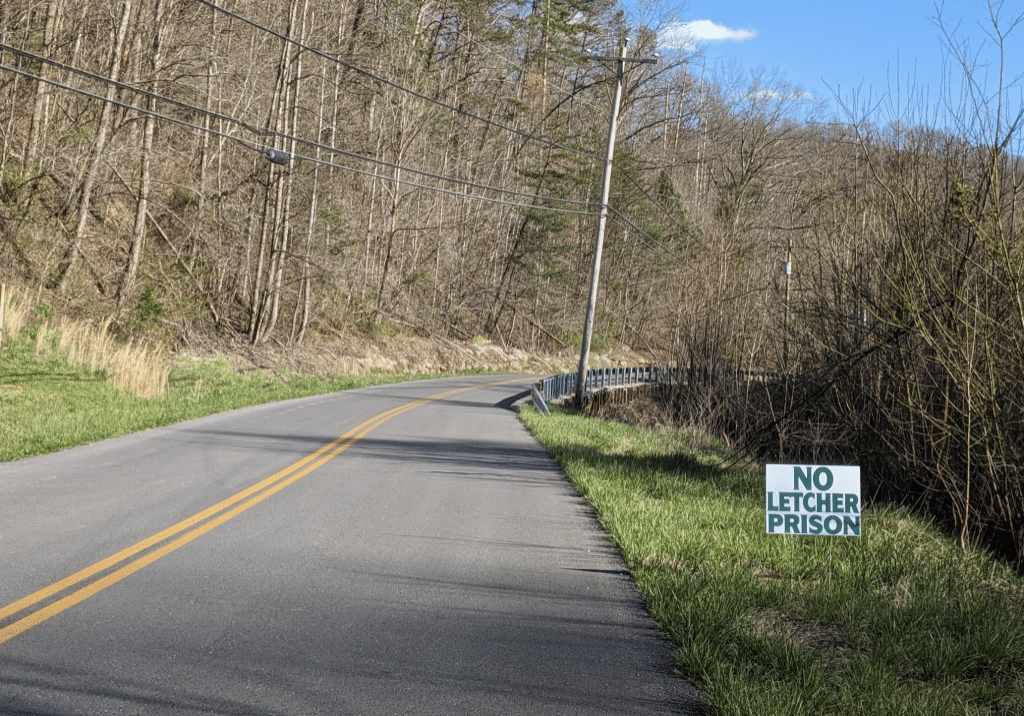
After 20 years, Letcher County prison proposal is still alive, though obstacles remain
A $605 million proposal for a federal prison on a former strip mine site in Letcher County, Kentucky, championed by U.S. Rep. Hal Rogers, refuses to die, despite local opposition, a lack of support from the executive branch and numerous other obstacles.
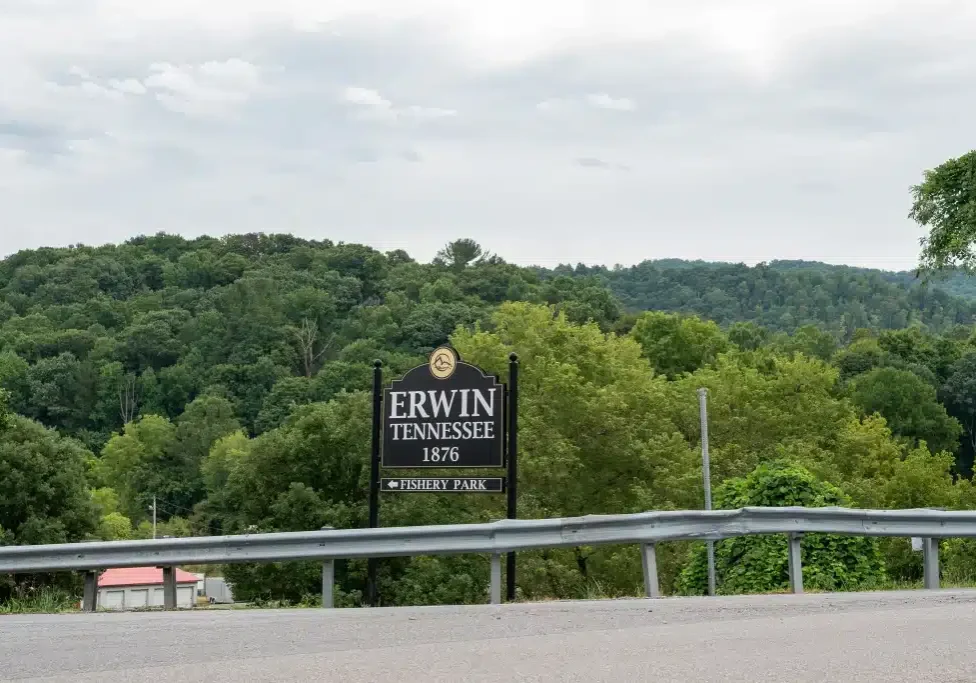
The Washout and Rebuild
For nearly two years, residents of Unicoi County, Tennessee, have had to make do without a hospital after Hurricane Helene destroyed the rural hospital. Ballad Health, which owns the hospital, broke ground on a new location — in another floodplain — in August 2026.

The Shenandoah Salamander
The Shenandoah salamander is a woodland salamander, which has adapted to life at higher elevations away from water. This sparkling rarity lives among the dry leaves, cracked logs, and stony hillocks on the highest peaks of Shenandoah National Park.

‘Foraging Is a Way of Connecting’
Foraging has experienced a modern resurgence, partly because of social media, online groups, the pandemic and people wanting to connect with nature. It also builds community, whether in person or online.

Colorblind Viewfinders Make Appalachian State Parks More Accessible
Virginia State Parks is the first park system in the nation to have a colorblind viewfinder at each one of its 43 locations — thanks to the dedication of one park ranger. Other states are following suit.

The Future of Film is in West Virginia
Many well-known TV and film productions have developed out of the Mountain State in years past, but the West Virginia Film Office is looking to the future to continue to grow the film industry.

Leave a comment
Your email address will not be published. Required fields are marked *
Leave a Comment