

The Magic of Summer: A note from our executive director
 Summers in Appalachia are the stuff of magic — shady woods adorned with rhododendron flowers, bubbling streams spilling into refreshing swimming holes, fields of wildflowers that grow more exuberant with every rainstorm. At night, the glitter of fireflies beckons us to linger on the front step and take a deep breath of the summer air.
Residents and visitors to the region alike understand these places as both sacred and fragile. We are connected to them through the sublimity of their beauty and — in the most starkly practical terms — how their well-being impacts ours and our actions impact them.
In some areas, decades-old pollution from abandoned mines contaminates waterways, while new pipeline projects — even as we fight to defeat them — clog other streams with runoff, erode mountainsides, and mar farmland our families depend on. Invasive species, buoyed by warming climates, are expanding their range. Even when invisible to the naked eye, air pollution poses risks to our health and to our planet’s atmospheric balance.
Knowing all this adds urgency to our quest for justice and environmental protection. It also reminds us to appreciate the diversity, strength and profound wonder of nature, both in the wilderness and in our backyards.
In these last months of summer, I hope you’ll make extra time to soak in the season — whether that means challenging your paddling skills on a new stretch of river, revisiting a favorite hike, or simply spending some extra time admiring the teeming life outside your window.
And if your time in nature inspires you, come join us. Stand with us as a member of Appalachian Voices by visiting appvoices.org/join, or sign up on our website to volunteer. This summer and fall, we are teaming up with partners in multiple states to host Energy Democracy Tour events, so visit energydemocracyyall.org to learn more and see if there is an event near you.
For our mountains,

Tom Cormons,
Executive Director
P.S. Whether you are a longtime reader or are picking up the paper for the first time, we want to hear from you! Your feedback on our survey at appvoices.org/voice-survey will be carefully considered and deeply appreciated.
Related Articles
Latest News
More Stories

Signs of Life
In the Nantahala National Forest, a team of biologists spotted Indiana bats, an endangered species that hasn’t been seen in North Carolina for the last 11 years.

‘First Line of Defense’
During Hurricane Helene and its aftermath, rural fire departments and other first responder hubs played critical roles in keeping their communities safe, even without power and cut off from outside support for days or weeks after the storm. Two years later, plenty of work remains to ensure these hubs have the resources they need to operate day to day and be ready when emergencies or natural disasters strike.

The Rocky Road — and Bridge — to Recovery
Hurricane Helene is estimated to have damaged nearly 7,000 private roads and bridges in Western North Carolina. Two years later, many restoration projects are complete, but the journey hasn’t been easy — and isn’t over for others.
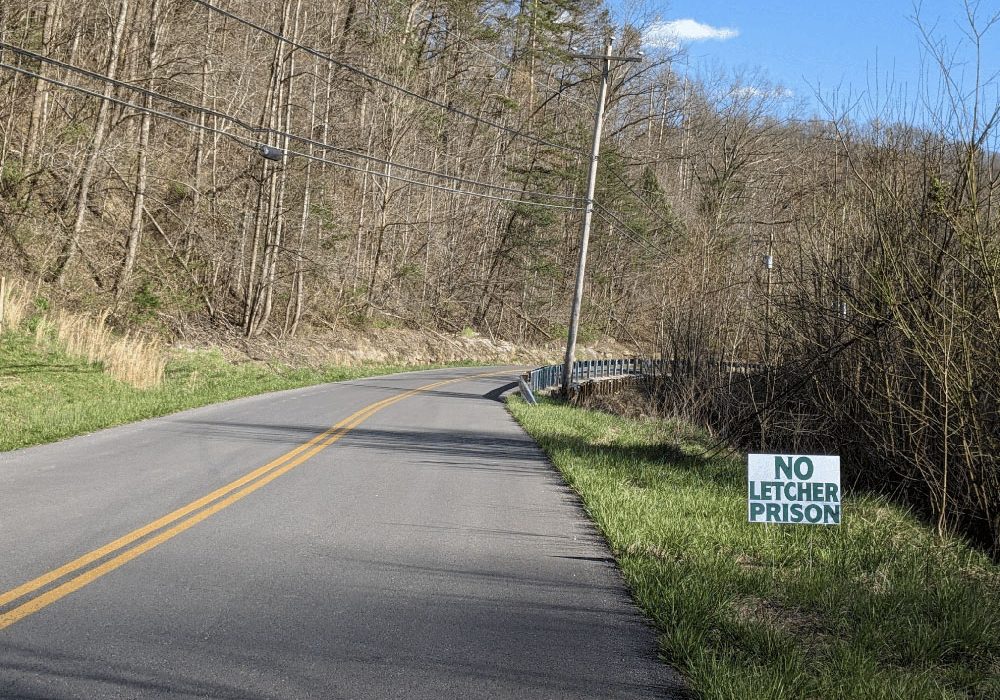
After 20 Years, Letcher County Prison Proposal Is Still Alive, Though Obstacles Remain
A $605 million proposal for a federal prison on a former strip mine site in Letcher County, Kentucky, championed by U.S. Rep. Hal Rogers, refuses to die, despite local opposition, a lack of support from the executive branch and numerous other obstacles.
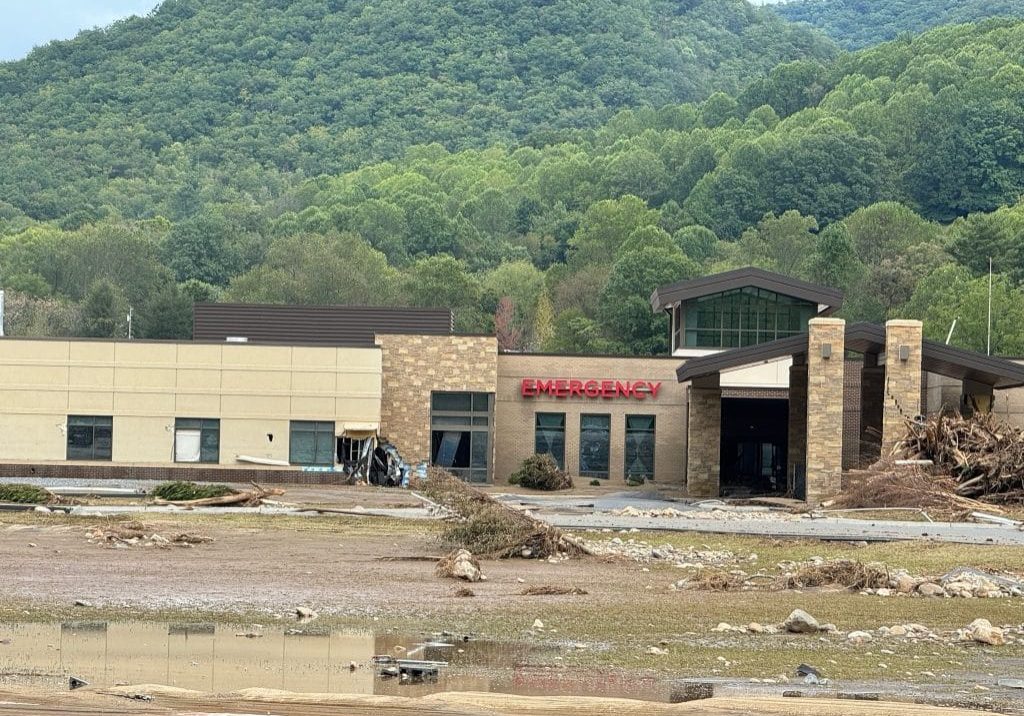
The Washout and Rebuild
For nearly two years, residents of Unicoi County, Tennessee, have had to make do without a hospital after Hurricane Helene destroyed the rural hospital. Ballad Health, which owns the hospital, broke ground on a new location — in another floodplain — in August 2026.

The Shenandoah Salamander
The Shenandoah salamander is a woodland salamander, which has adapted to life at higher elevations away from water. This sparkling rarity lives among the dry leaves, cracked logs, and stony hillocks on the highest peaks of Shenandoah National Park.

Leave a comment
Your email address will not be published. Required fields are marked *
Leave a Comment