

The Coal Industry’s Legacy of Harm: A note from our executive director
Even when coal mining was at its most profitable, the industry avoided paying the true cost of extracting coal. Instead, miners and nearby residents suffered the health effects of polluted water and airborne contaminants, as many do today. Despite this, mountaintop removal mining is still allowed to happen. Even as broader trends point to the industry’s irreversible long-term decline, new mine proposals continue to bring new threats to people and natural areas.
After mining, coal companies are supposed to meet a set of minimum standards to reclaim mine sites. But legal loopholes allow mine operators to delay cleanup for years, posing safety hazards to people living nearby and fouling the streams that hold the lifeblood of Appalachia’s beautiful and biodiverse mountains.
It took deadly disasters like the 1968 Farmington Mine explosion to drive Congress to enact mine safety rules — rules that some mine operators continue to flout. For more than a century, the abuses of an out-of-control industry have pushed workers to organize to protect their health and ensure fair labor standards.
All of these problems were occurring when the coal barons were prospering. Now that the industry is sputtering, the scale of the damage it inflicts on the land, air, water and people of Appalachia is clearer than ever.
What happens when failing mines saddled with pollution problems are passed from company to company, and then the company left holding the bag collapses? The state and federal bonding system for reclaiming coal mines is being put to the test, and there are reasons to doubt whether the system is up to the task. If it fails, it could put taxpayers — all of us — on the hook for cleaning up Big Coal’s mess yet again.
Regulators and lawmakers have deferred to this industry for too long. But there is no excuse for inaction. We need strict enforcement of existing mining and reclamation rules, support for black lung benefits and reauthorization of the Abandoned Mine Land program. Beyond that, we need to demand the political will to hold companies accountable so that the communities who have already given so much to this industry are not burdened with even more of the costs of coal as they move forward.
For our mountains,
Tom Cormons,
Executive Director
Related Articles
Latest News
More Stories

Signs of Life
In the Nantahala National Forest, a team of biologists spotted Indiana bats, an endangered species that hasn’t been seen in North Carolina for the last 11 years.

‘First Line of Defense’
During Hurricane Helene and its aftermath, rural fire departments and other first responder hubs played critical roles in keeping their communities safe, even without power and cut off from outside support for days or weeks after the storm. Two years later, plenty of work remains to ensure these hubs have the resources they need to operate day to day and be ready when emergencies or natural disasters strike.

The Rocky Road — and Bridge — to Recovery
Hurricane Helene is estimated to have damaged nearly 7,000 private roads and bridges in Western North Carolina. Two years later, many restoration projects are complete, but the journey hasn’t been easy — and isn’t over for others.
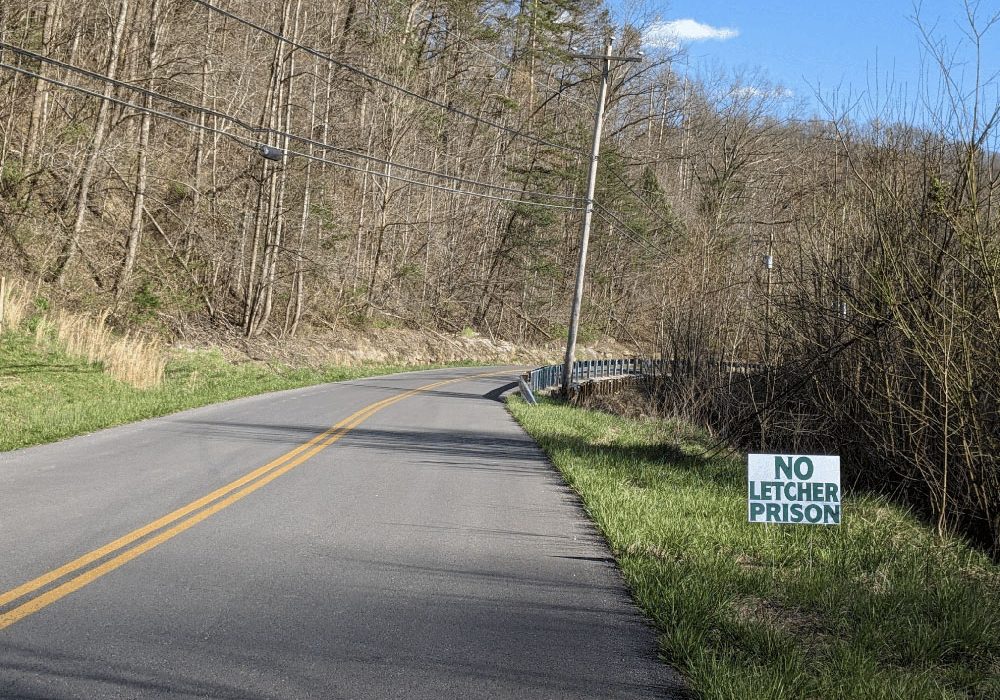
After 20 Years, Letcher County Prison Proposal Is Still Alive, Though Obstacles Remain
A $605 million proposal for a federal prison on a former strip mine site in Letcher County, Kentucky, championed by U.S. Rep. Hal Rogers, refuses to die, despite local opposition, a lack of support from the executive branch and numerous other obstacles.
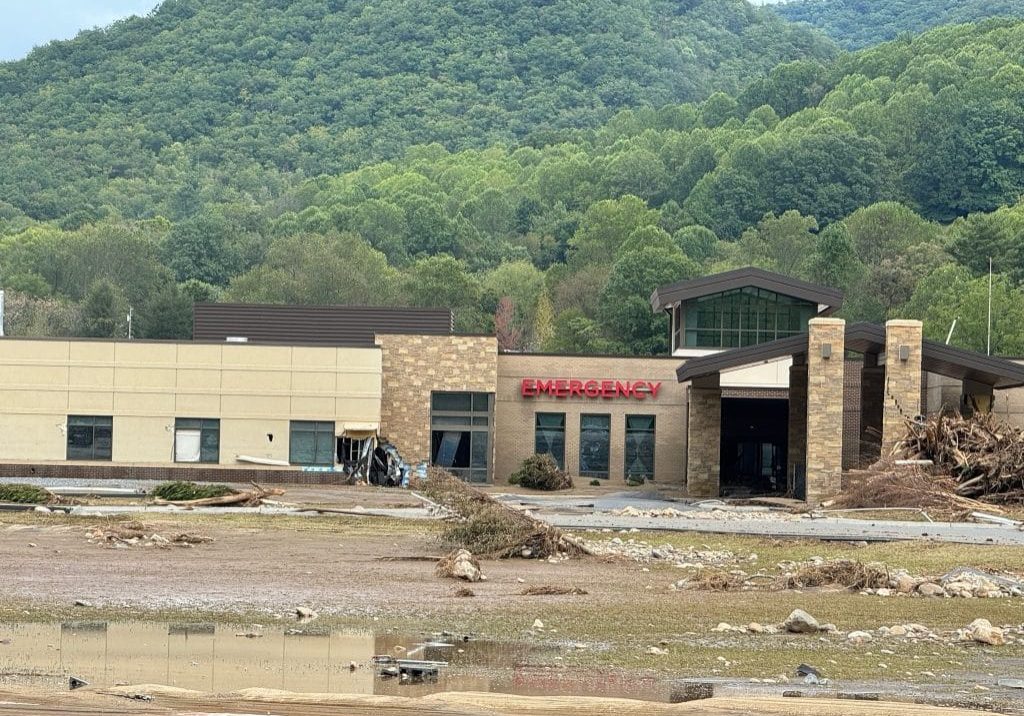
The Washout and Rebuild
For nearly two years, residents of Unicoi County, Tennessee, have had to make do without a hospital after Hurricane Helene destroyed the rural hospital. Ballad Health, which owns the hospital, broke ground on a new location — in another floodplain — in August 2026.

The Shenandoah Salamander
The Shenandoah salamander is a woodland salamander, which has adapted to life at higher elevations away from water. This sparkling rarity lives among the dry leaves, cracked logs, and stony hillocks on the highest peaks of Shenandoah National Park.

Leave a comment
Your email address will not be published. Required fields are marked *
Leave a Comment