

A Notice to Readers
Thank you for your readership of The Appalachian Voice publication. We are grateful to the 200-plus incredible volunteers who help us distribute 90,000 free copies of each issue across our region.
As you may know, The Appalachian Voice is produced by the nonprofit regional advocacy organization Appalachian Voices. We fight fossil fuels and the harm they pose to the people and places of Appalachia, and we advance energy efficiency, renewable power, and other solutions that create community wealth and sustain our region’s mountains, forests and waters.
As this work expands and places increased demands on our communications staff, we must ensure we continue to be good stewards of our financial resources. Due to this, The Appalachian Voice is shifting to a quarterly, seasonal schedule instead of a bimonthly one.
Stay connected between issues of the paper by subscribing to Appalachian Voices’ monthly e-newsletter at appvoices.org/sign-up, visiting our blog at appvoices.org/blog and following us on Facebook, Twitter and Instagram. Thank you for your understanding as we make this shift! — The Appalachian Voice team
Related Articles
Latest News
More Stories

Signs of Life
In the Nantahala National Forest, a team of biologists spotted Indiana bats, an endangered species that hasn’t been seen in North Carolina for the last 11 years.

‘First Line of Defense’
During Hurricane Helene and its aftermath, rural fire departments and other first responder hubs played critical roles in keeping their communities safe, even without power and cut off from outside support for days or weeks after the storm. Two years later, plenty of work remains to ensure these hubs have the resources they need to operate day to day and be ready when emergencies or natural disasters strike.

The Rocky Road — and Bridge — to Recovery
Hurricane Helene is estimated to have damaged nearly 7,000 private roads and bridges in Western North Carolina. Two years later, many restoration projects are complete, but the journey hasn’t been easy — and isn’t over for others.
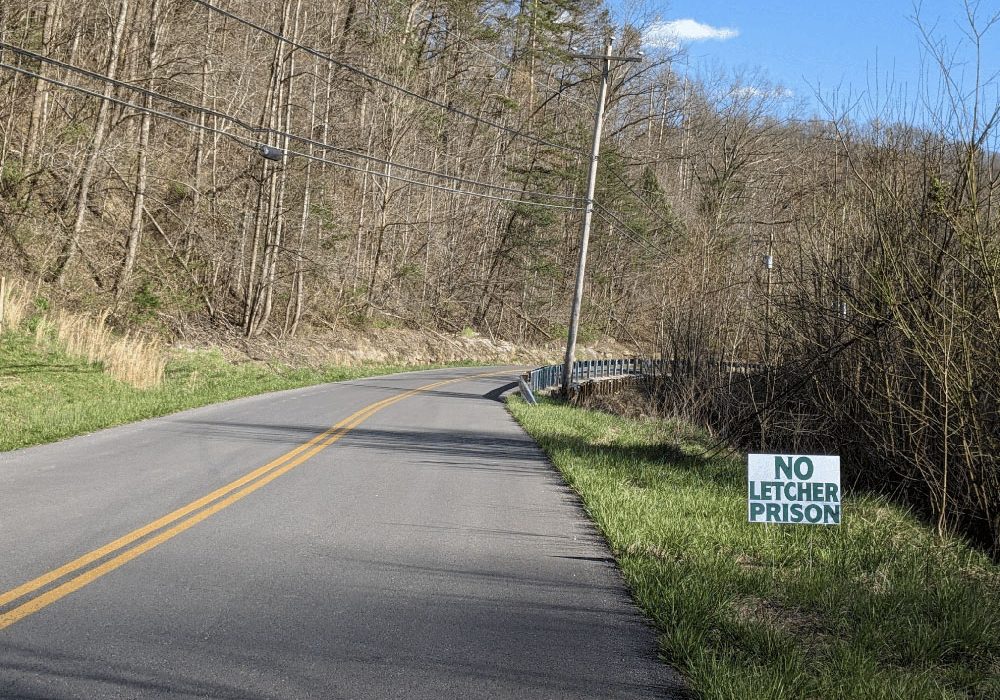
After 20 Years, Letcher County Prison Proposal Is Still Alive, Though Obstacles Remain
A $605 million proposal for a federal prison on a former strip mine site in Letcher County, Kentucky, championed by U.S. Rep. Hal Rogers, refuses to die, despite local opposition, a lack of support from the executive branch and numerous other obstacles.
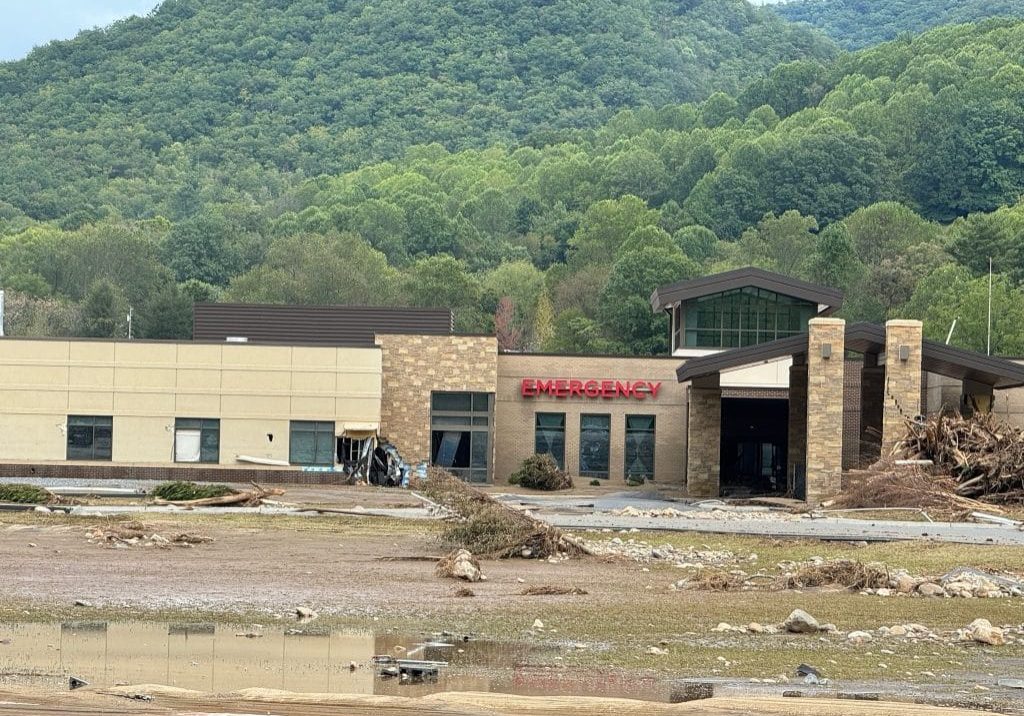
The Washout and Rebuild
For nearly two years, residents of Unicoi County, Tennessee, have had to make do without a hospital after Hurricane Helene destroyed the rural hospital. Ballad Health, which owns the hospital, broke ground on a new location — in another floodplain — in August 2026.

The Shenandoah Salamander
The Shenandoah salamander is a woodland salamander, which has adapted to life at higher elevations away from water. This sparkling rarity lives among the dry leaves, cracked logs, and stony hillocks on the highest peaks of Shenandoah National Park.

Leave a comment
Your email address will not be published. Required fields are marked *
Leave a Comment