

Achieving Clean Energy Goals: A Note From Our Executive Director
 Despite all of the hurdles created by monopoly utilities, fossil fuel companies and the governments that often let these industries write their own laws, renewable energy is growing in our region. Just turn to the centerspread to read about Appalachian residents’ experiences going solar and communities’ efforts to meet their clean energy goals.
But this transition must accelerate. People living near power plants and near mountaintop removal mines and fracking sites continue to suffer the most immediate health consequences of our outdated dependence on fossil fuels. And while we are already witnessing severe effects of climate change, this is just the beginning. In the latest arresting message from climate scientists, 11,000 researchers further underscored the importance of swift and monumental action.
By and large, Appalachia’s electric utilities favor their bottom lines. Unfortunately, they believe this means digging a deeper hole (no pun intended) by building billions of dollars worth of fossil fuel pipelines and plants precisely when the public interest would point us in the opposite direction. Some also support marquee clean energy projects that incidentally align with their bottom line. This isn’t enough.
Even as we work to hasten this transition, we know that utilities and their political allies will continue to try to stack the deck to their advantage and to the detriment of captive customers (like most of us). In Appalachian Power’s Virginia service area, for example, the utility’s policies are preventing schools and municipalities from saving money with solar.
We must take on the utilities’ business-as-usual practices to ensure that renewable energy is delivered to all ratepayers in a way that is beneficial and sustainable. To do this, Appalachian Voices is working with broad, diverse coalitions in North Carolina, Virginia and Tennessee to challenge the policies that put protected utility monopolies and their friends in the fossil fuel industry before our environment and our communities’ health.
Together, we are standing up to unfair rate changes that disincentivize energy efficiency and solar and burden everyday families. We’re also working at the state level to challenge damaging utility policies and to advance legislation that makes the benefits of clean energy more accessible to everyone.
Are you with us? Join our email list to discover opportunities to get involved. And take the next step and become a member. Visit appvoices.org/join.
For our future,

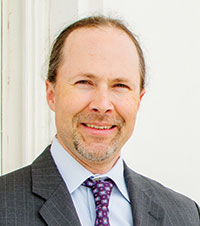
Tom Cormons
Related Articles
Latest News
More Stories

Halloween Approaches, and Night School Is in Session
The House of Art in Bluefield, West Virginia, looks like a haunted tower, making it the perfect location for its sixth annual haunt event: Night School. The Night School will be open every Friday and Saturday night through Oct. 31.
‘The Most Perfect Act of Love’
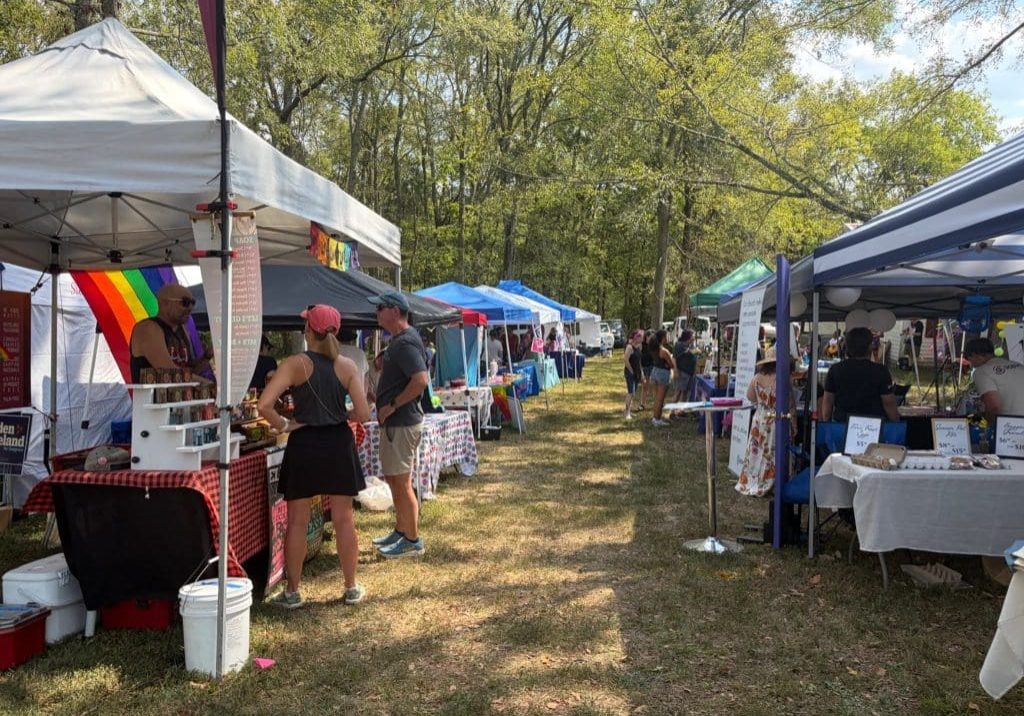
After losing its rural pride celebration, hundreds of people attended the second annual Affirming Sumner Pride celebration on a 24-acre farm dubbed “Fruity Farm” in Bethpage, Sumner County, Tennessee.

Signs of Life
In the Nantahala National Forest, a team of biologists spotted Indiana bats, an endangered species that hasn’t been seen in North Carolina for the last 11 years.

‘First Line of Defense’
During Hurricane Helene and its aftermath, rural fire departments and other first responder hubs played critical roles in keeping their communities safe, even without power and cut off from outside support for days or weeks after the storm. Two years later, plenty of work remains to ensure these hubs have the resources they need to operate day to day and be ready when emergencies or natural disasters strike.

The Rocky Road — and Bridge — to Recovery
Hurricane Helene is estimated to have damaged nearly 7,000 private roads and bridges in Western North Carolina. Two years later, many restoration projects are complete, but the journey hasn’t been easy — and isn’t over for others.
After 20 Years, Letcher County Prison Proposal Is Still Alive, Though Obstacles Remain
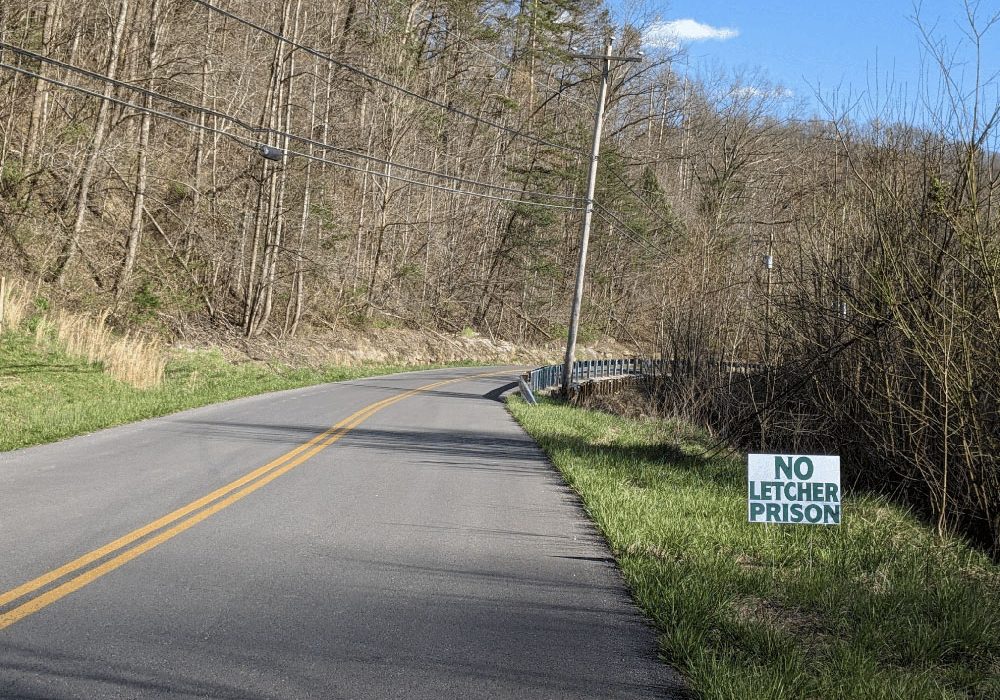
A $605 million proposal for a federal prison on a former strip mine site in Letcher County, Kentucky, championed by U.S. Rep. Hal Rogers, refuses to die, despite local opposition, a lack of support from the executive branch and numerous other obstacles.

Leave a comment
Your email address will not be published. Required fields are marked *
Leave a Comment