

TVA Releases Long-term Energy Plan, Announces Retirement of Two Coal Power Plants
On Feb. 15, The Tennessee Valley Authority released its draft energy generation plan for the next 20 years for public comment. The report outlines several different scenarios, such as an economic downturn or potential federal limits on carbon emissions, and also projects several different strategies, such as continuing with its current energy mix, prioritizing renewables or emphasizing distributed resources.
The report outlines potential solar additions of four to nine gigawatts by 2038, which amounts to the utility achieving between 3.6 percent and 8.2 percent of its 2018 electricity generation from solar. In all scenarios, TVA plans no new solar until 2023.
All of the utility’s scenarios include adding energy sources, even if demand continues to fall, citing a need to replace aging resources. The report does not project any added energy efficiency savings, aside from specific low-income programs, over the coming years.
The public comment period on TVA’s long-term plan runs through April 8.
At the utility’s quarterly meeting on Feb. 14, the board of directors voted to shutter two aging and polluting coal-fired power plants, Bull Run near Oak Ridge, Tenn., and Paradise 3 in Muhlenberg County, Ky. Bull Run is now scheduled to close in 2023 and Paradise in 2020. Even with their closure, the amount of energy TVA generates through burning coal is expected to remain at 17 percent for the next decade.
President Donald Trump and U.S. Senate Majority Leader Mitch McConnell (R-Ky.) had urged TVA to keep the Paradise plant open, but the utility’s board members cited a combined $320 million in savings from closing the older, inefficient power plants.
Environmental advocates, including Appalachian Voices, Southern Alliance for Clean Energy, Sierra Club and Statewide Organizing for Community Empowerment, applauded the move and called on TVA to ensure economic opportunities for workers and sound cleanup of the facilities. – By Molly Moore
Related Articles
Latest News
More Stories
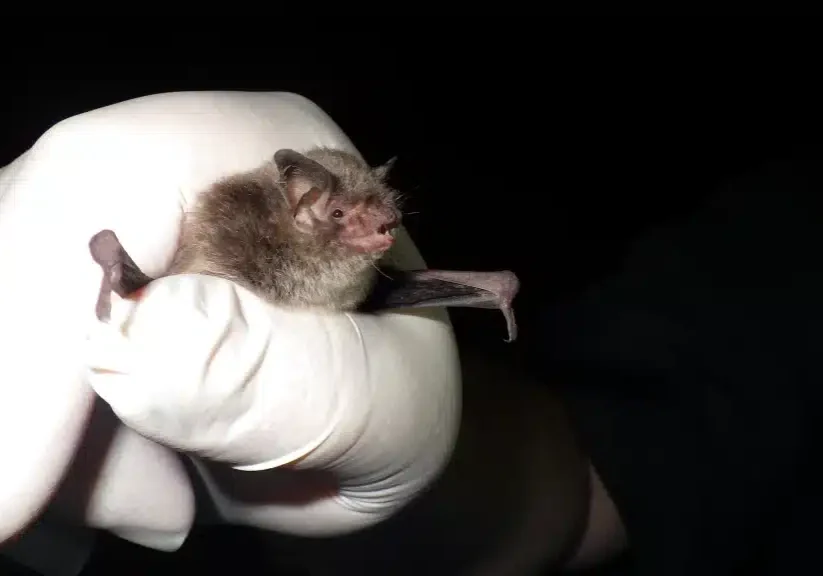
Signs of Life
In the Nantahala National Forest, a team of biologists spotted Indiana bats, an endangered species that hasn’t been seen in North Carolina for the last 11 years.

‘First Line of Defense’
During Hurricane Helene and its aftermath, rural fire departments and other first responder hubs played critical roles in keeping their communities safe, even without power and cut off from outside support for days or weeks after the storm. Two years later, plenty of work remains to ensure these hubs have the resources they need to operate day to day and be ready when emergencies or natural disasters strike.

The Rocky Road — and Bridge — to Recovery
Hurricane Helene is estimated to have damaged nearly 7,000 private roads and bridges in Western North Carolina. Two years later, many restoration projects are complete, but the journey hasn’t been easy — and isn’t over for others.
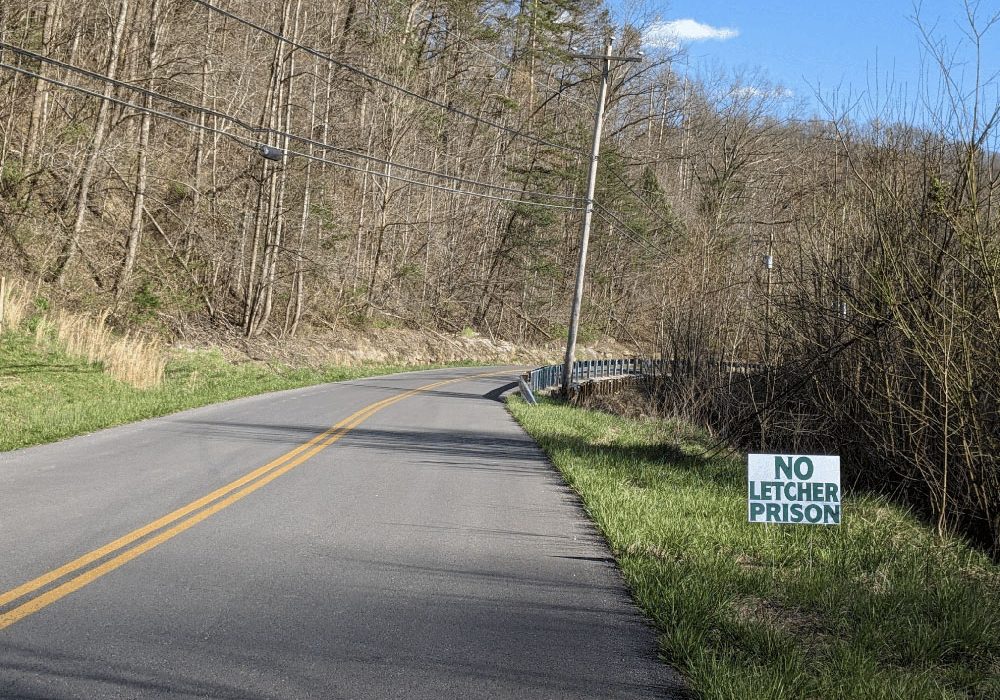
After 20 Years, Letcher County Prison Proposal Is Still Alive, Though Obstacles Remain
A $605 million proposal for a federal prison on a former strip mine site in Letcher County, Kentucky, championed by U.S. Rep. Hal Rogers, refuses to die, despite local opposition, a lack of support from the executive branch and numerous other obstacles.
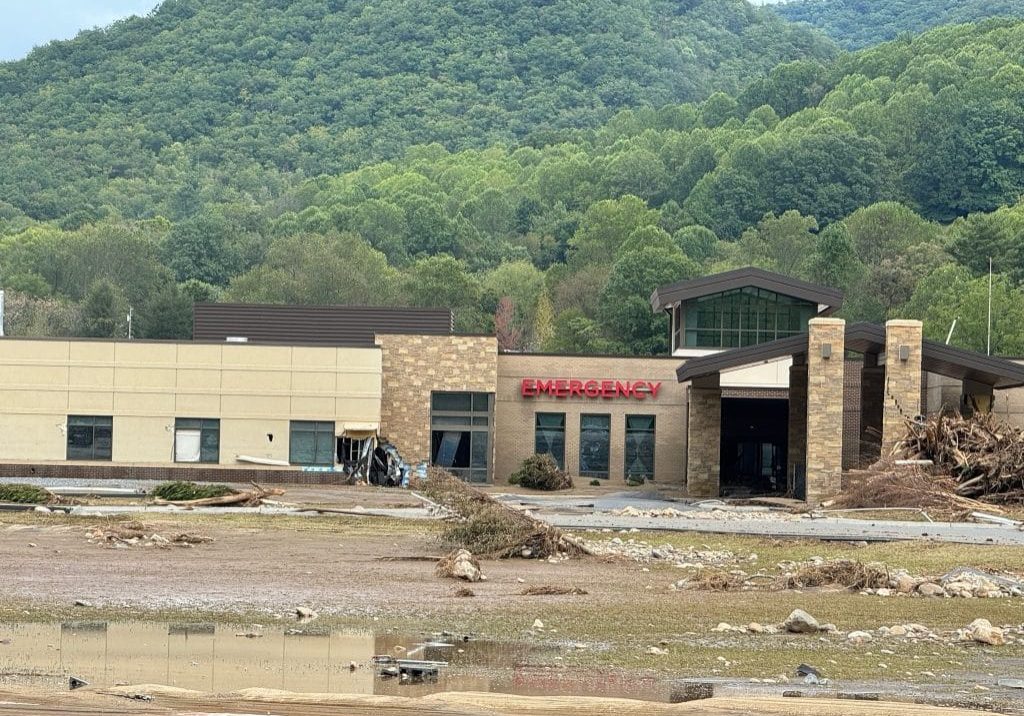
The Washout and Rebuild
For nearly two years, residents of Unicoi County, Tennessee, have had to make do without a hospital after Hurricane Helene destroyed the rural hospital. Ballad Health, which owns the hospital, broke ground on a new location — in another floodplain — in August 2026.
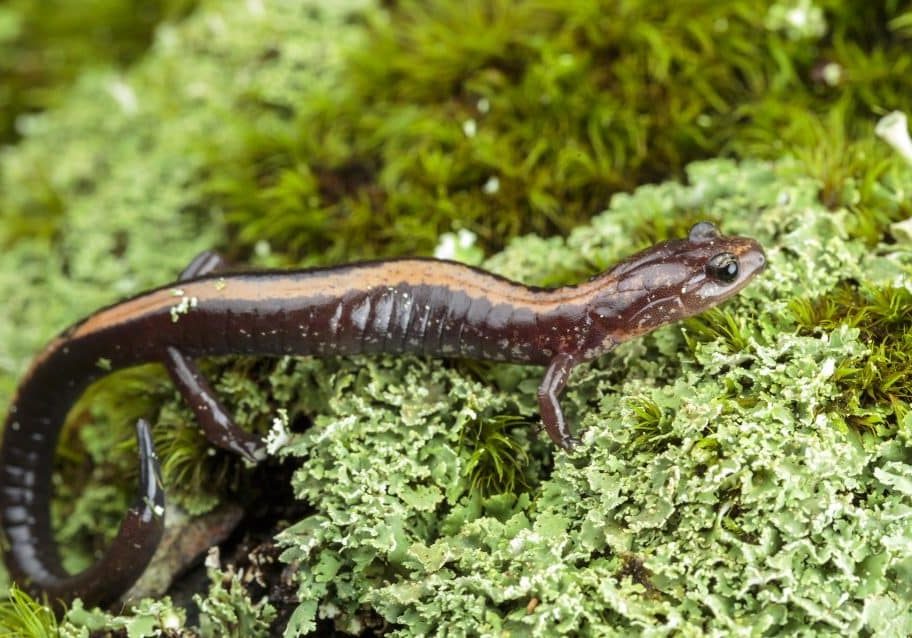
The Shenandoah Salamander
The Shenandoah salamander is a woodland salamander, which has adapted to life at higher elevations away from water. This sparkling rarity lives among the dry leaves, cracked logs, and stony hillocks on the highest peaks of Shenandoah National Park.

Leave a comment
Your email address will not be published. Required fields are marked *
Leave a Comment