

Barbara Jividen
Editor’s Note: The Appalachian Voice first spoke with Barbara in spring 2018. Read that story here.

Barbara Jividen.
Barbara and her husband Edward’s pastoral property flanks the Kanawha River, which the pipeline now runs beneath after cutting below a field 500 feet from their home.
Mountaineer XPress used horizontal directional drilling to bury pipe under the river, a process where drilling and installation is conducted from a single entry point. Fortunately for Barbara, the drilling site was located roughly an eighth-of-a-mile from her home, so the field alongside her house was undisturbed on the surface.
Still, construction brought disruptions. In September and October, helicopters flew overhead daily, sometimes every 10 minutes from 8 a.m. until 8 p.m. Now it happens just a couple times per week.
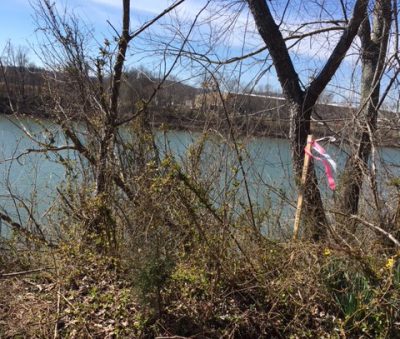
Survey stakes mark the Mountaineer XPress Pipeline’s crossing point at the Kanawha River. Photo by Barbara Jividen
More alarming were the tests that Mountaineer XPress performed to make sure the line was ready to operate — all conducted at night without warning. One test resulted in water suddenly flooding nearby backyards.
During the wee hours of one morning in November, Barbara awoke to a roar that she likens to sitting in the back of a jet, hearing the engines roar before takeoff. People as far as 6 miles away were alarmed, she says, and one of Barbara’s relatives a mile away evacuated with their young children. The din persisted for an hour, though after 45 minutes she received an emergency notification confirming it was a pipeline air pressure test.
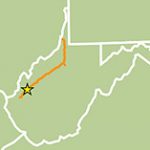
Barbara Jividen’s location near the path of the Mountaineer XPress Pipeline.
“I don’t like it, but I have to learn to live with it,” Barbara says. “It’s just a part of life, unfortunately, that brings wealth to some people, to some people doesn’t affect at all, and to some people it affects greatly.” — By Molly Moore
Related Articles
Latest News
More Stories
Signs of Life
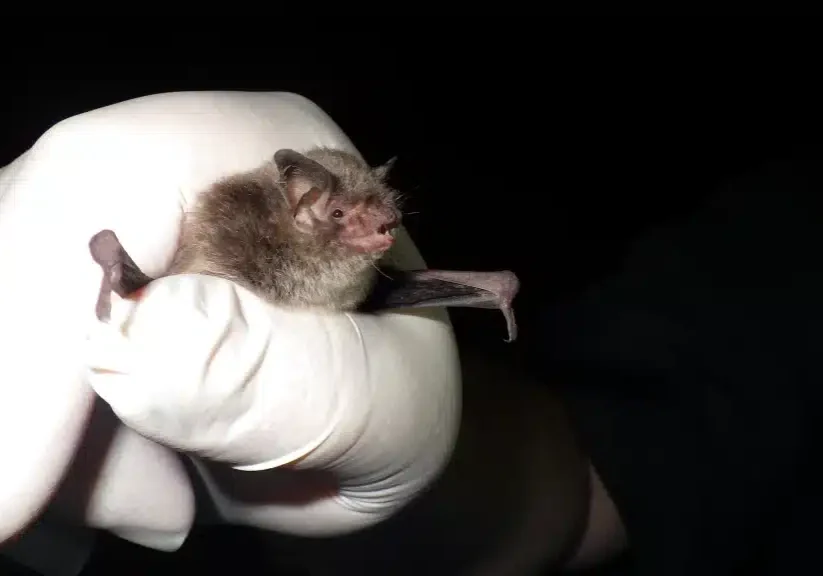
In the Nantahala National Forest, a team of biologists spotted Indiana bats, an endangered species that hasn’t been seen in North Carolina for the last 11 years.
‘First Line of Defense’
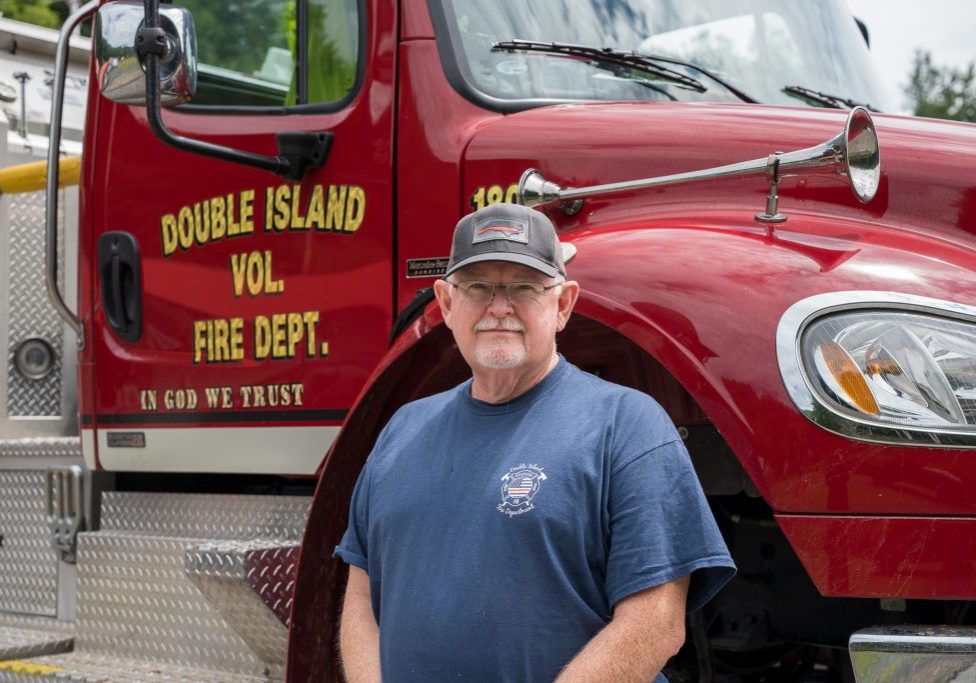
During Hurricane Helene and its aftermath, rural fire departments and other first responder hubs played critical roles in keeping their communities safe, even without power and cut off from outside support for days or weeks after the storm. Two years later, plenty of work remains to ensure these hubs have the resources they need to operate day to day and be ready when emergencies or natural disasters strike.
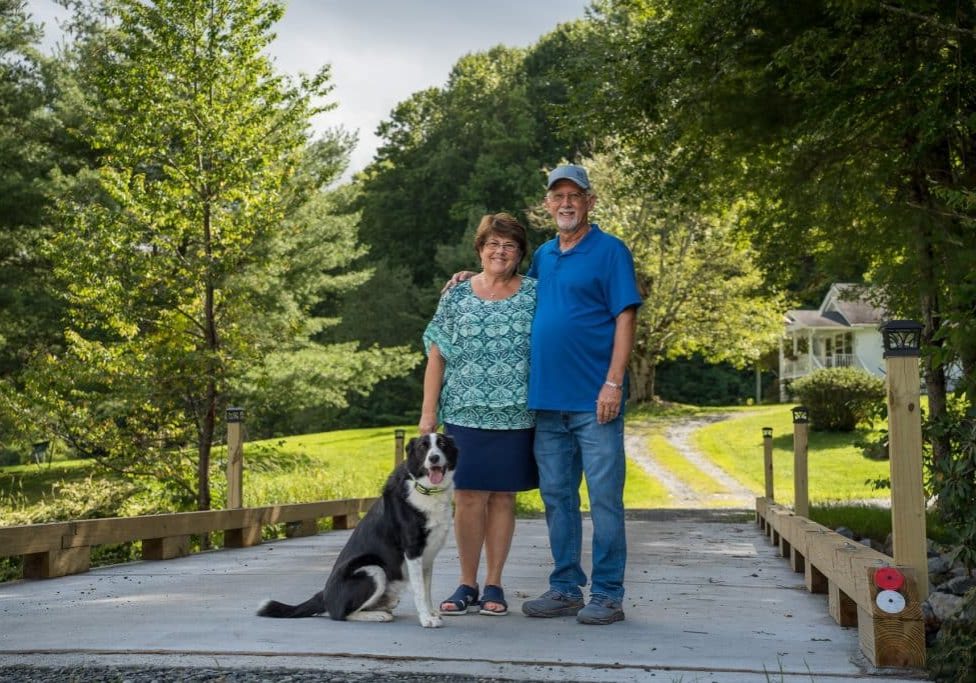
The Rocky Road — and Bridge — to Recovery
Hurricane Helene is estimated to have damaged nearly 7,000 private roads and bridges in Western North Carolina. Two years later, many restoration projects are complete, but the journey hasn’t been easy — and isn’t over for others.
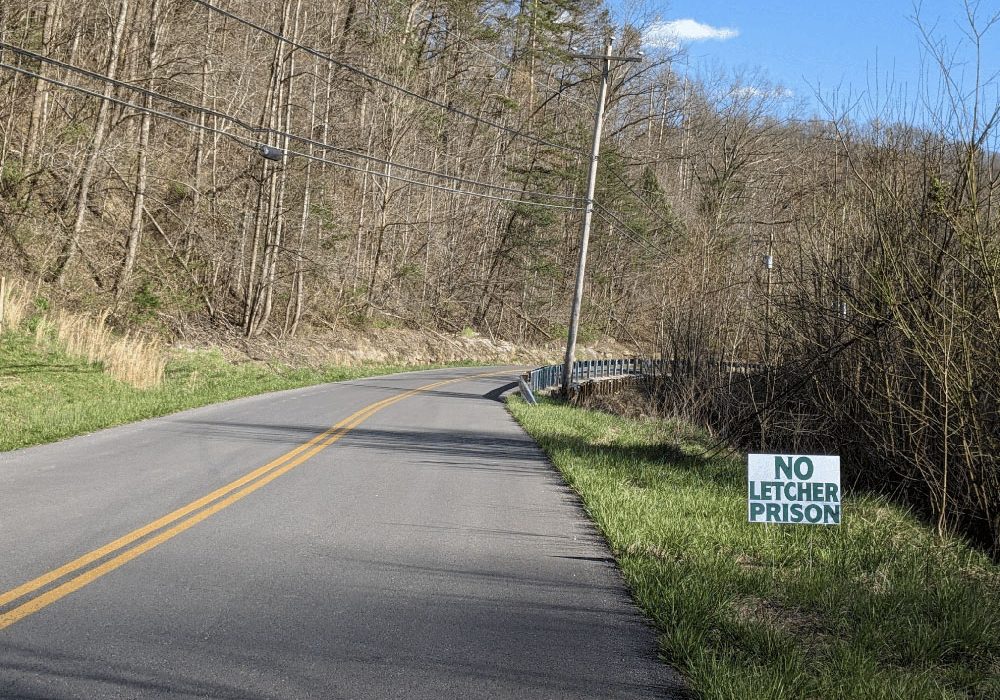
After 20 Years, Letcher County Prison Proposal Is Still Alive, Though Obstacles Remain
A $605 million proposal for a federal prison on a former strip mine site in Letcher County, Kentucky, championed by U.S. Rep. Hal Rogers, refuses to die, despite local opposition, a lack of support from the executive branch and numerous other obstacles.
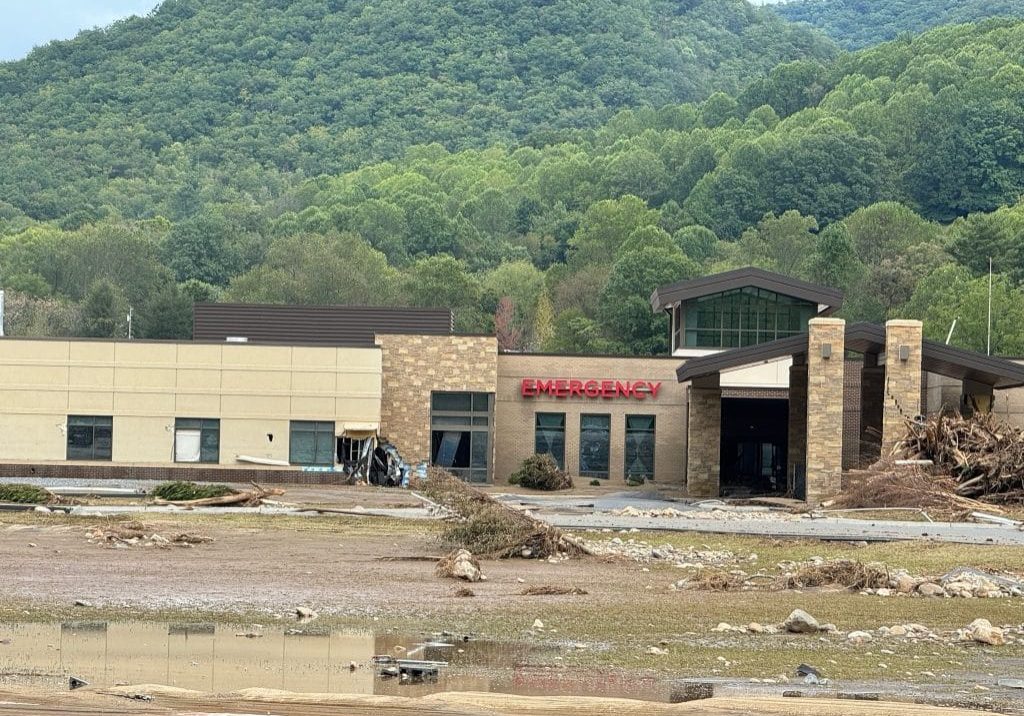
The Washout and Rebuild
For nearly two years, residents of Unicoi County, Tennessee, have had to make do without a hospital after Hurricane Helene destroyed the rural hospital. Ballad Health, which owns the hospital, broke ground on a new location — in another floodplain — in August 2026.
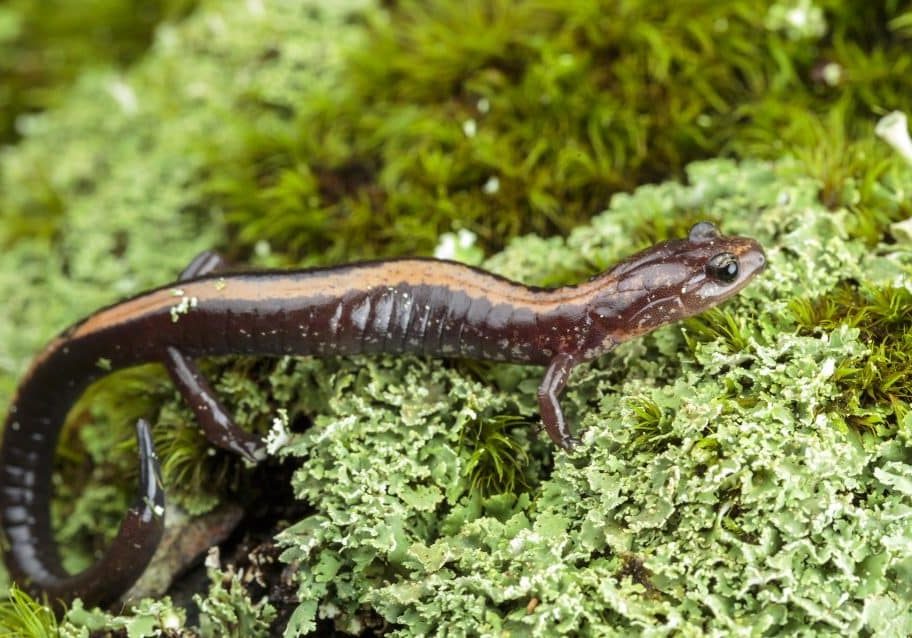
The Shenandoah Salamander
The Shenandoah salamander is a woodland salamander, which has adapted to life at higher elevations away from water. This sparkling rarity lives among the dry leaves, cracked logs, and stony hillocks on the highest peaks of Shenandoah National Park.

Leave a comment
Your email address will not be published. Required fields are marked *
Leave a Comment