

Barbara Jividen
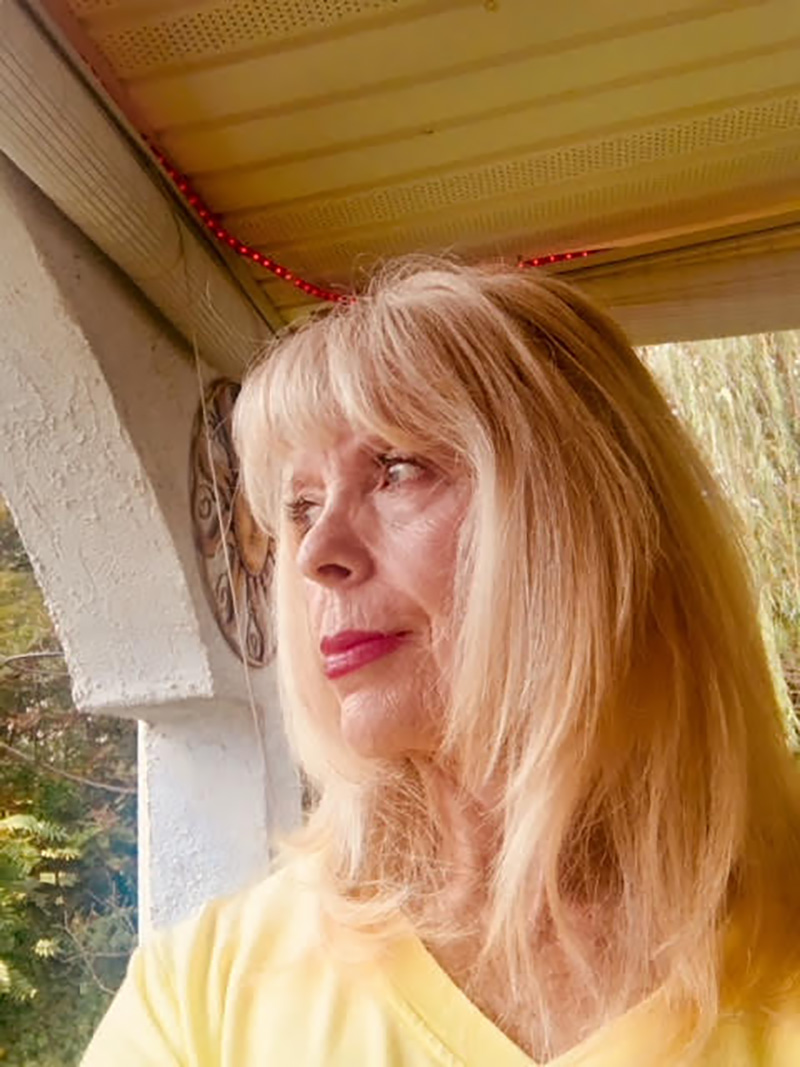
Barbara Jividen
Barbara Jividen recently finished painting a sunset scene of the view from her home: the Kanawha River flows by flat river bottom land, frequented by birds and fox, that stretches from the steep river bank to her patio.
“We bought this land wanting a little paradise on the river, and a lot of people say that’s what it looks like, a little piece of paradise,” Jividen says. “And that piece of paradise is going to be disrupted when that pipeline goes through.”
The Mountaineer XPress Pipeline would run 165 miles through 14 West Virginia counties and carry natural gas from the state’s fracking wells to a broader interstate pipeline network that connects to export terminals in the Gulf of Mexico.
Pipeline developers plan to install the pipe beneath the Kanawha River next to Jividen’s home, a process that is expected to take several months. If completed, the pipeline will also run through her neighbor’s land, 500 feet from the shop where her husband Edward, a Vietnam veteran, works on his old cars and motorcycle. Their house is immediately beside the shop.

Mountaineer XPress Pipeline survey stakes mark the site where the pipeline would cross beneath the Kanawha River. Photo by Barbara Jividen
“Why do you put a dangerous pipeline this close to a personal residence?” Jividen asks. “We live in a small development; if it should blow, it’s going to take us all out. We’re in the incineration zone. We’re in it. Why?”
“It’s legal,” she continues. “But it didn’t have to be this close to us, there’s plenty of vacant land on the other side that it could have gone without it being this close to a residence. ”
Near Jividen’s home, the pipeline will also run near a Methodist church, through the pumpkin patch owned by hydroponic tomato producer Grits Greenhouse and close to other small homes. On the other side of the river, the pipeline will pass beside an industrial park before continuing through another parcel of land owned by her next-door neighbor.
During the public comment period held by the Federal Energy Regulatory Commission, Jividen went door-to-door, informing residents of the pipeline plans and her concerns regarding safety risks and declining property values. She handed others in her community the materials for them to submit public comments to FERC, but whether they did, Jividen isn’t sure.
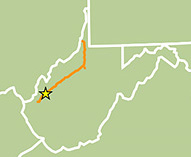
Barbara Jividen’s location in the path of the Mountaineer XPress Pipeline.
“I can only do what I can do,” she says. “I will be watching [Mountaineer XPress] every step they take, every move they make. And I will be doing what I legally can do to minimize my discomfort and my life being upset by it.”
“If we all had [a pipeline] in our backyard we would all be activists.”
Related Articles
Latest News
More Stories
Neighbors Help Neighbors
A photo essay that celebrates the volunteer spirit of the grassroots group Hurricane Helene WNC and speaks to the resourcefulness, collaboration and hard work embodied by thousands and thousands of volunteers, first responders and aid workers across the region after Hurricane Helene.

Halloween Approaches, and Night School Is in Session
The House of Art in Bluefield, West Virginia, looks like a haunted tower, making it the perfect location for its sixth annual haunt event: Night School. The Night School will be open every Friday and Saturday night through Oct. 31.
‘The Most Perfect Act of Love’
Hundreds of people attended the second annual Affirming Sumner Pride celebration on a 24-acre farm dubbed “Fruity Farm” in Bethpage, Sumner County, Tennessee.

Signs of Life: Endangered Bats Found in Nantahala for First Time in More Than a Decade
In the Nantahala National Forest, a team of biologists spotted Indiana bats, an endangered species that hasn’t been seen in North Carolina for the last 11 years.

‘First Line of Defense’
During Hurricane Helene and its aftermath, rural fire departments and other first responder hubs played critical roles in keeping their communities safe, even without power and cut off from outside support for days or weeks after the storm. Two years later, plenty of work remains to ensure these hubs have the resources they need to operate day to day and be ready when emergencies or natural disasters strike.

The Rocky Road — and Bridge — to Recovery
Hurricane Helene is estimated to have damaged nearly 7,000 private roads and bridges in Western North Carolina. Two years later, many restoration projects are complete, but the journey hasn’t been easy — and isn’t over for others.

Leave a comment
Your email address will not be published. Required fields are marked *
Leave a Comment