

Reducing Wildlife-Vehicle Collisions
By Debra Murray
Wildlife-related collisions are a major cause of human fatalities, wildlife deaths and property damage in West Virginia.
In 2025, a State Farm report analyzing 1.7 million auto insurance claims found that drivers in the state face a 1 in 40 chance of an animal-related collision.
“West Virginia continues to be the riskiest state for animal collisions and has held the top spot for more than a decade,” the report reads.
Animal welfare and safety advocates are asking lawmakers to establish a publicly funded program for wildlife crossings, allowing animals to travel without entering high-traffic roads — potentially saving lives.
In 2021, Congress created a $350 million nationwide grant program over five years to construct overpasses, underpasses and fencing to reduce and prevent wildlife-vehicle collisions. The program is set to expire in September 2026, and advocates support a bipartisan bill to create a permanent $200 million annual fund for wildlife crossings to expand on these projects.
Restoring the Virginia Creeper Trail
By Abby Hassler
Restoration work is underway on the popular Virginia Creeper Trail, a scenic, 34.3-mile recreational rail trail, after Hurricane Helene decimated the upper 17-mile portion between Whitetop Station and Damascus. The portion of the trail between Abingdon and Damascus remains open for visitors.
The storm severely damaged or destroyed many of the trail’s iconic railroad trestles, destabilized pathways and clogged the area with debris.
In November 2025, the U.S. Forest Service awarded a $240.5 million reconstruction contract to Georgia-based Kiewit Corporation. At press time, Kiewit’s website tracker reported the project at 20% complete. According to a statement from the Forest Service, the trail “will be available for public enjoyment in late 2026.”
Seed Swaps Save Veggies, Tradition
By Debra Murray
Seed saving is a long-standing tradition in Appalachia that preserves region-specific and heirloom plants and creates locally adapted seeds. Community members share these seeds at seed swaps across the region.
In April, hundreds of visitors attended the 14th Annual Appalachian Seed Swap at Pike Central High School in Pikeville, Kentucky. Attendees could purchase or swap seeds for a variety of plants, including heirloom tomatoes, white half runner beans, greasy beans and more.
“A lot of these seeds have been passed down for generations from these families in Appalachia, and it’s a way to help farmers and gardeners just grow food more suited to our land and our environment,” says Emily Davis of the University of Kentucky’s Pike County Cooperative Extension Office. “The event makes sure these unique plants are able to keep growing strong and being passed down, and also just keeping Appalachian traditions alive for the next generation.”
Related Articles
Latest News
More Stories

Signs of Life
In the Nantahala National Forest, a team of biologists spotted Indiana bats, an endangered species that hasn’t been seen in North Carolina for the last 11 years.

‘First Line of Defense’
During Hurricane Helene and its aftermath, rural fire departments and other first responder hubs played critical roles in keeping their communities safe, even without power and cut off from outside support for days or weeks after the storm. Two years later, plenty of work remains to ensure these hubs have the resources they need to operate day to day and be ready when emergencies or natural disasters strike.

The Rocky Road — and Bridge — to Recovery
Hurricane Helene is estimated to have damaged nearly 7,000 private roads and bridges in Western North Carolina. Two years later, many restoration projects are complete, but the journey hasn’t been easy — and isn’t over for others.
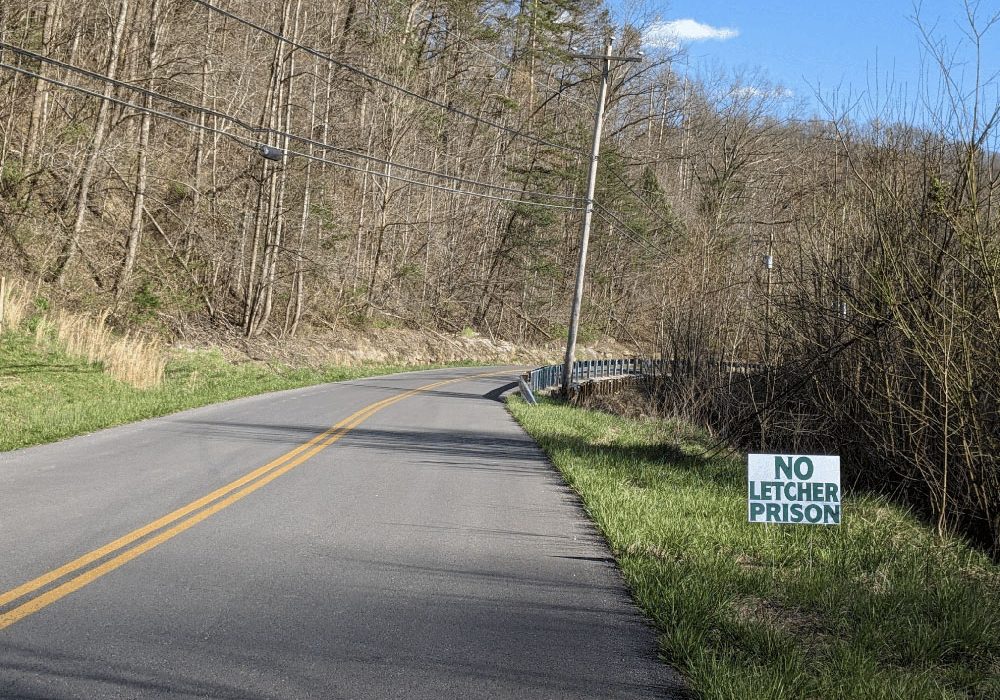
After 20 Years, Letcher County Prison Proposal Is Still Alive, Though Obstacles Remain
A $605 million proposal for a federal prison on a former strip mine site in Letcher County, Kentucky, championed by U.S. Rep. Hal Rogers, refuses to die, despite local opposition, a lack of support from the executive branch and numerous other obstacles.
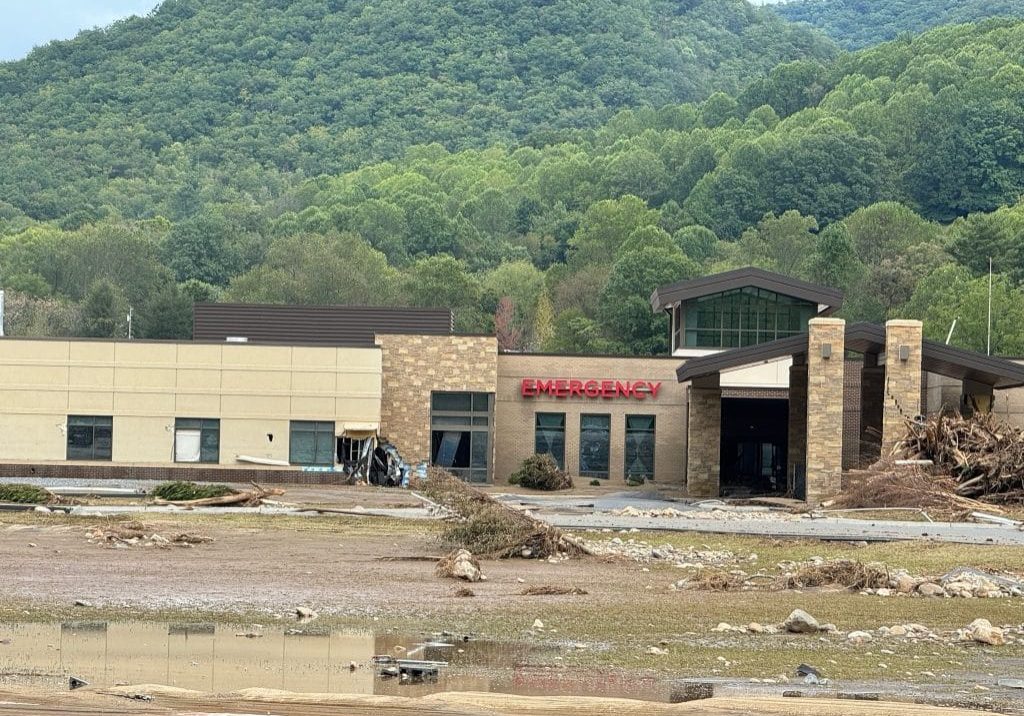
The Washout and Rebuild
For nearly two years, residents of Unicoi County, Tennessee, have had to make do without a hospital after Hurricane Helene destroyed the rural hospital. Ballad Health, which owns the hospital, broke ground on a new location — in another floodplain — in August 2026.
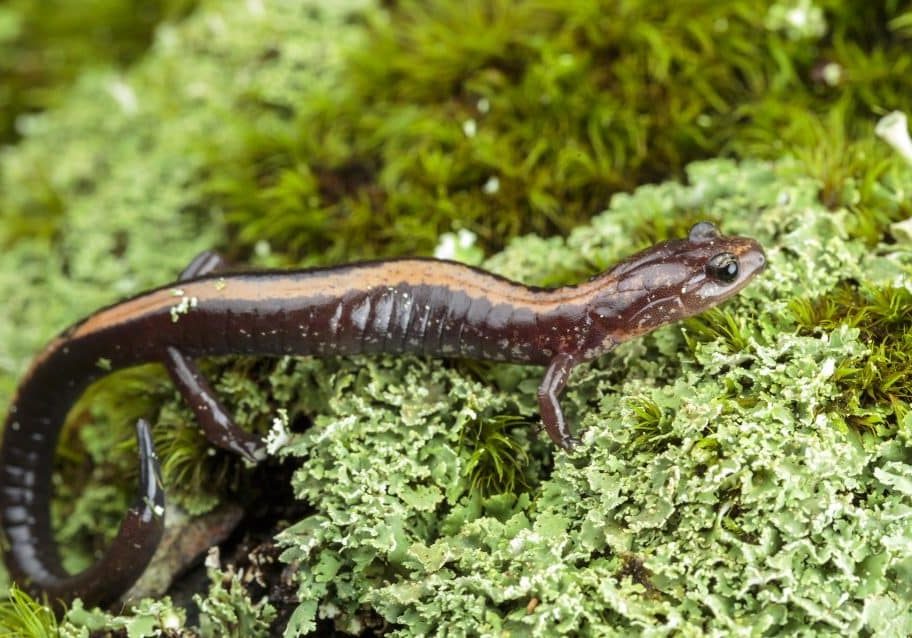
The Shenandoah Salamander
The Shenandoah salamander is a woodland salamander, which has adapted to life at higher elevations away from water. This sparkling rarity lives among the dry leaves, cracked logs, and stony hillocks on the highest peaks of Shenandoah National Park.

Leave a comment
Your email address will not be published. Required fields are marked *
Leave a Comment