Front Porch Blog
Who gets what, when and how: What the congressional appropriations process means for Appalachia


In my first political science class, many years ago, the professor defined politics in one of the simplest and clearest ways I’ve ever heard: Politics is about who gets what, when and how. (I don’t remember if my professor credited Harold Lasswell, who wrote a book by that name in 1936, but he probably did.)
By that definition, the congressional appropriations process is probably one of the purest political exercises imaginable. Every year, the House and Senate appropriations committees determine the priorities that guide the outlay of trillions of dollars in federal spending: Who gets what, when and how. This affects everything from funding the operations of Congress itself to supporting local infrastructure projects to funding the U.S. military.
That makes the appropriations process, as dull as it may sound to the average person, a vital place for the public to engage to try to ensure that our communities get the federal investments they need and deserve.
Last month, Appalachian Voices joined a broad coalition of other Appalachian organizations to send a letter to the heads of the Senate and House appropriations committees to outline specific areas where federal investments could help our communities strengthen our economies, update declining infrastructure and establish a solid foundation for future prosperity.
The letter advocated against further cuts to important programs and for the restoration of funds slashed by the “One Big Beautiful Bill Act.” Specifically, the coalition asked for renewed investments in environmental protection and community, workforce and economic development in the Appalachian region.
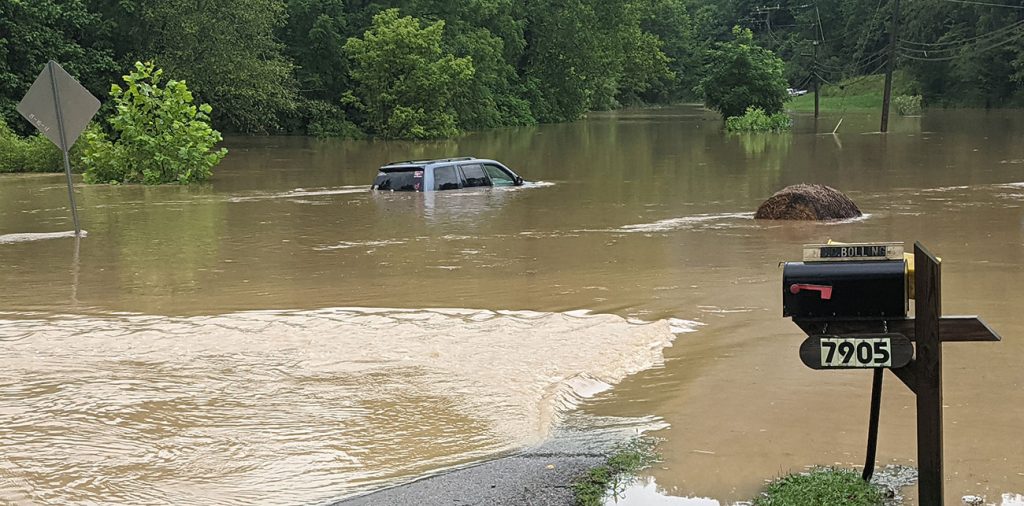
This included advocating for the Federal Emergency Management Agency to have the funding and staffing it needs to perform flood analysis and administer resilience programs that will help Appalachian communities deal with the increasing number of disasters attributable to climate change.
“Devastating floods are impacting Appalachia multiple times a year,” said Rebecca Shelton, Director of Policy for Appalachian Citizens’ Law Center. “We need to be ramping up our investments in recovery and mitigation, not cutting them. You cannot rebuild an economy in a region that has to focus over and over again on disaster recovery.”
The coalition also urged more resources for the important work of national and community service organizations like AmeriCorps in the region, as well as full funding for nutrition programs, low-income heating assistance and programs to make housing more affordable.
Appalachian Voices also signed onto three other letters that focused on more specific policies: flood resiliency and recovery, mine reclamation and investments focused on preventing and researching black lung disease.
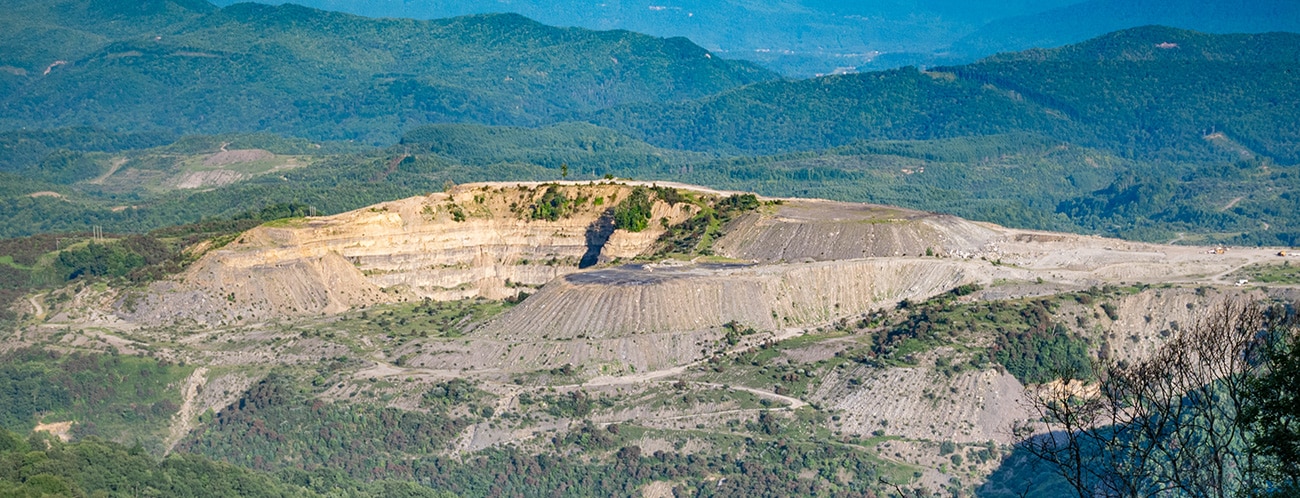
“The Office of Surface Mining Reclamation and Enforcement should be protecting coal communities from dangerous mine pollution by limiting the impacts of current coal mining on our land, air and water and reclaiming abandoned mine lands,” said Kevin Zedack, Government Affairs Specialist with Appalachian Voices. “As the Trump administration advocates for more coal mining, we need a strong federal partner to hold the coal industry to its legal obligations.”
Appalachia, which faces unique challenges and burdens from more than a century of coal mining, benefits greatly from a number of federal programs designed to create jobs, support local communities and promote diverse economies. Funding for many of these programs face annual threats of cuts or elimination, but we continue to work hard to protect these investments in our communities.

In his proposed budget, President Donald Trump is asking Congress to boost defense spending tremendously, expanding the Pentagon’s budget by nearly half a trillion dollars — a massive 40% increase — while slashing important domestic programs like the Appalachian Regional Commission and the Economic Development Administration.
Trump has proposed similar cuts in his budget requests before (without as large of a military budget increase) that were largely rejected by Congress. But make no mistake, Congress is capable of making its own misguided funding decisions without direction from the president.
It takes continued outreach, education and advocacy to convince members of Congress to vote against painful and unnecessary cuts to important programs that help people and communities across the country — and especially in Appalachia, where a number of federal agencies are vital to the efforts to protect the health of miners, clean up old mine sites, build better economies and so much more.
If you haven’t already, join Appalachian Voices’ email list. We’ll alert you to opportunities to contact members of Congress to help convince them to make good federal spending decisions.
Who gets what, when and how. That’s what politics is. And that’s what the appropriations process helps decide.

PREVIOUS
NEXT

Leave a comment
Your email address will not be published. Required fields are marked *
Leave a Comment